4 times a week at the gym. Eating relatively well. And yet — nothing changes.
If that sounds familiar, I want you to know something important: it is not your fault. I say this because I see it constantly. People from Cyprus and Greece who train hard, try to eat right, and still feel like they are getting nowhere. I work with clients every day who are putting in real effort but missing one thing — not motivation, not discipline, but the right system.
The internet has made this problem much worse. For every solid piece of nutrition advice online, there are ten pieces of misinformation. Myths that get passed around as fact, influencers with no real knowledge, and outdated advice that refuses to die — all of it creates confusion and leads people to focus on completely the wrong things.
Let's clear some of that up right now.
In short
- No results usually means no calorie deficit: total calories across the day decide fat loss.
- Carbs at night, six small meals, cutting fat and the 30-minute protein window are myths.
- Fix things in pyramid order: calories first, then protein, carbs and fat, then the rest. Supplements come last.
- The series takes you through it step by step, starting with your calorie target in episode 2.



Myth 1: "Don't Eat Carbs at Night"
This is probably the most persistent myth in fitness. The idea is that because you're less active in the evening, your body will automatically store those carbohydrates as fat. This is simply not how it works.
Your body does not have a clock that flips a fat-storage switch at 8pm. What determines whether you lose or gain weight is your total calorie intake across the entire day — not the timing of your pasta dinner. If you are in a calorie deficit, you will lose fat. It does not matter if those carbs come at breakfast or midnight.
Myth 2: "Eat Many Small Frequent Meals to Boost Your Metabolism"
This idea has been around for decades — that eating every 2-3 hours "keeps the metabolic fire burning." The research simply does not support it.
2,000 calories eaten in 3 meals and 2,000 calories eaten in 6 meals produce the same results. Meal frequency is a hunger management tool, nothing more. Eat in whatever pattern keeps you satisfied and fits your lifestyle. Forcing yourself to eat when you are not hungry is not a strategy — it is unnecessary stress.
Myth 3: "Avoid Fats to Lose Weight"
The "fat makes you fat" idea from the 90s did a lot of damage that the fitness world is still recovering from. Dietary fats are essential. Your body needs them for hormone production, for absorbing vitamins, and for basic daily function.
What causes weight gain is a calorie surplus — not the olive oil on your salad or the eggs you had for breakfast. Healthy fats increase satiety, support hormonal health, and belong in a well-structured cutting diet.
Myth 4: "You Must Drink Protein Immediately After Your Workout"
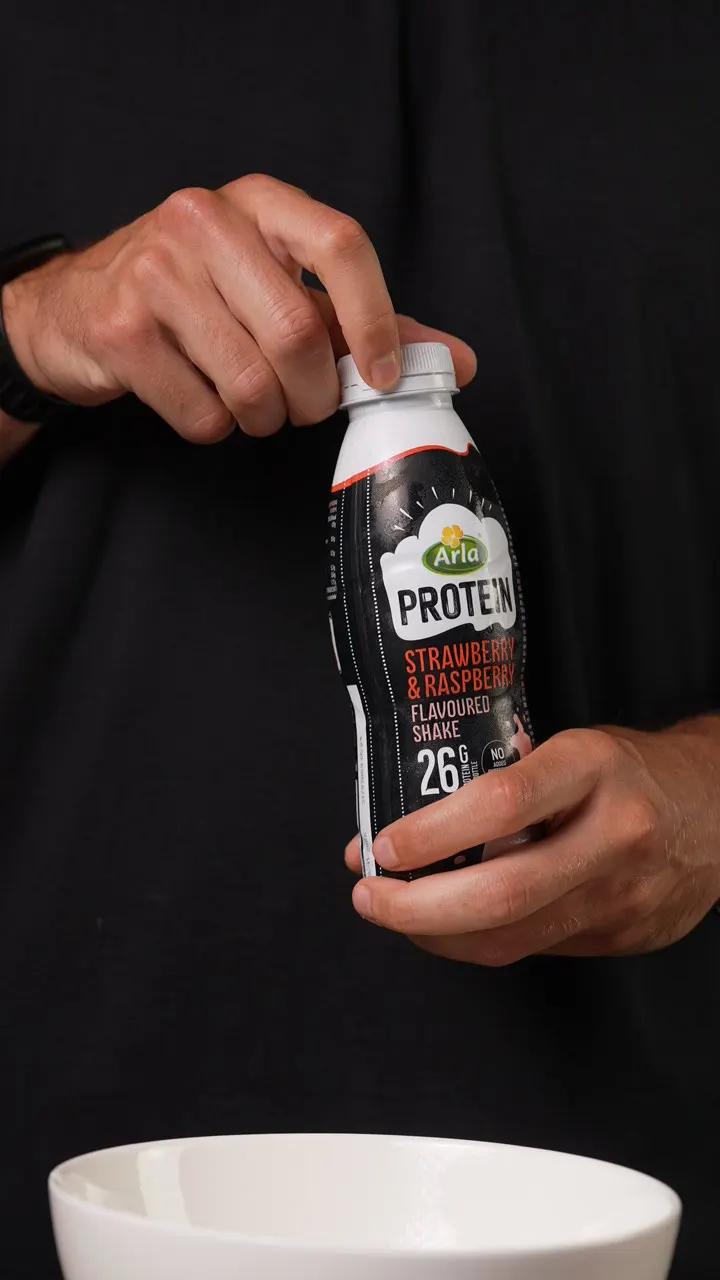
You have seen it: people sprinting to their gym bags to drink a protein shake before they have even stopped sweating. While post-workout nutrition matters, the window is not 30 minutes — it is several hours.
Your total daily protein intake is far more important than whether you had your shake 15 or 45 minutes after your last set. Hit your daily protein target consistently, and the timing takes care of itself.
What All These Myths Have in Common
They focus on details while completely ignoring the fundamentals. It is like adjusting the mirrors on a car when the engine has no fuel. Before any of these finer points matter, you need to get the basics right.
That starts with understanding your calorie target, setting your macros correctly, and tracking consistently. Everything else — timing, supplements, meal frequency — comes after.




Introducing: 30 Days to Shred
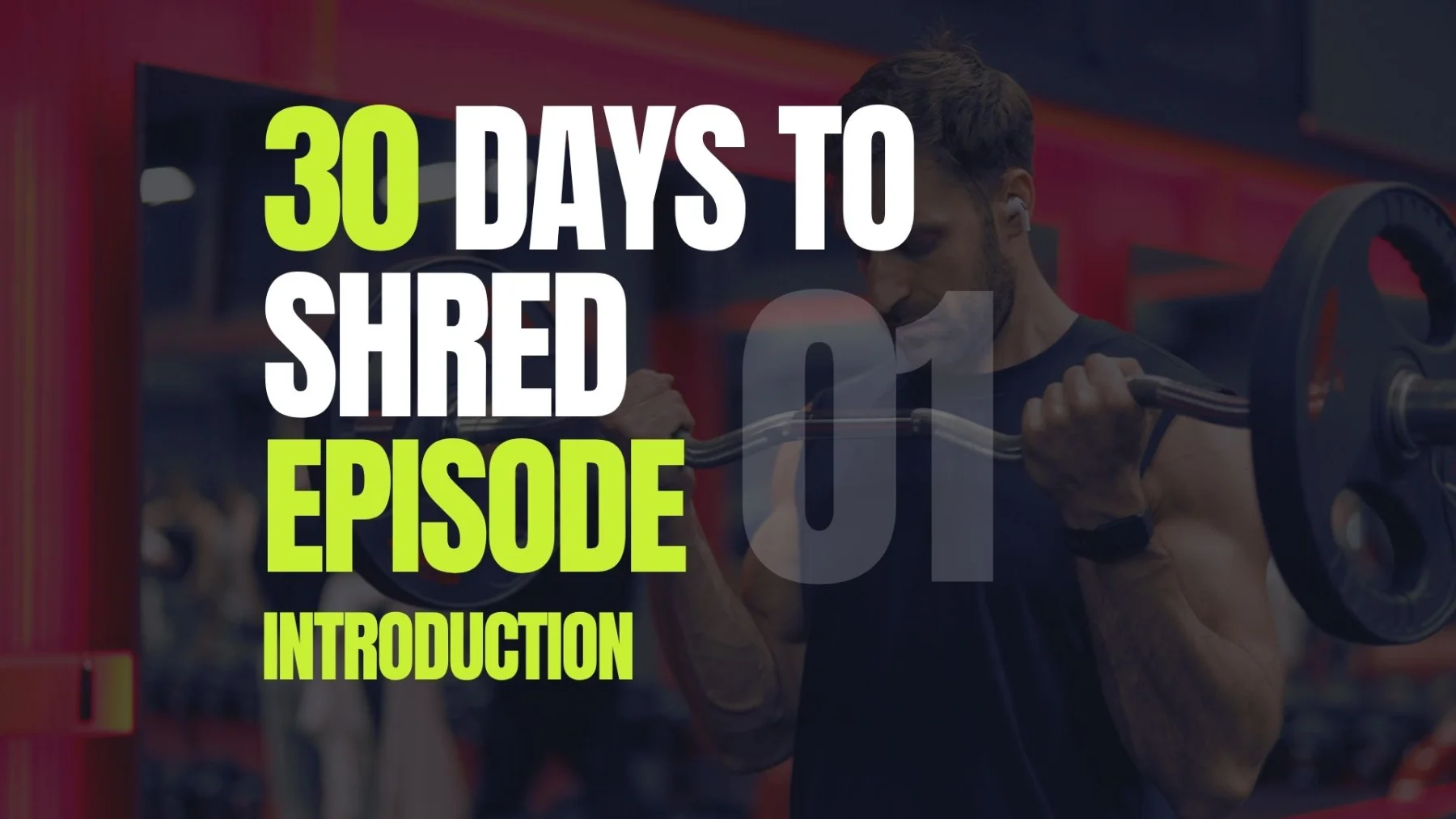
This is exactly why I created the 30 Days to Shred series. 14 episodes covering everything you need to lose fat — in the right order, based on real science, with practical examples you can apply immediately.
The series is built around the Nutrition Pyramid — a simple framework that puts everything in the correct priority:
| Level | What it means |
|---|---|
| 1 — Energy balance | Calories in vs calories out. The foundation: without it, nothing else matters. |
| 2 — Macronutrients | Your protein, carb and fat targets. Protein comes first, every time. |
| 3 — Micronutrients | Vitamins, minerals and hydration. Important, but after levels 1 and 2. |
| 4 — Nutrient timing | When you eat. Helpful once the foundation is solid, not before. |
| 5 — Supplements | The last 1–5% of results. They only work once the first four levels are in place. |
Most people start at Level 5. They spend money on fat burners and BCAAs while their daily calorie intake is completely off. In this series, we flip that. We start at Level 1 and build properly from there.
The Full Series: All 14 Episodes
Here is the full roadmap, one link per episode:
- Episode 2: How to calculate your exact calorie target
- Episode 3: What to do in the first week — the most important step
- Episode 4: How to track your food without going crazy
- Episode 5: What I buy every week for cutting
- Episode 6: 10 hacks that make your diet easier and more enjoyable
- Episode 7: Meal prep for the whole week in under an hour
- Episode 8: Full day of eating 2,000 kcal for men
- Episode 9: Full day of eating 1,400 kcal for women
- Episode 10: Progressive overload and cardio — what you need to know
- Episode 11: Which supplements are actually worth your money
- Episode 12: Eating out, alcohol and bad days — how to stay on track
- Episode 13: What to do when you stop losing weight
- Episode 14: The complete system — putting it all together
The Tool We Use Throughout the Series
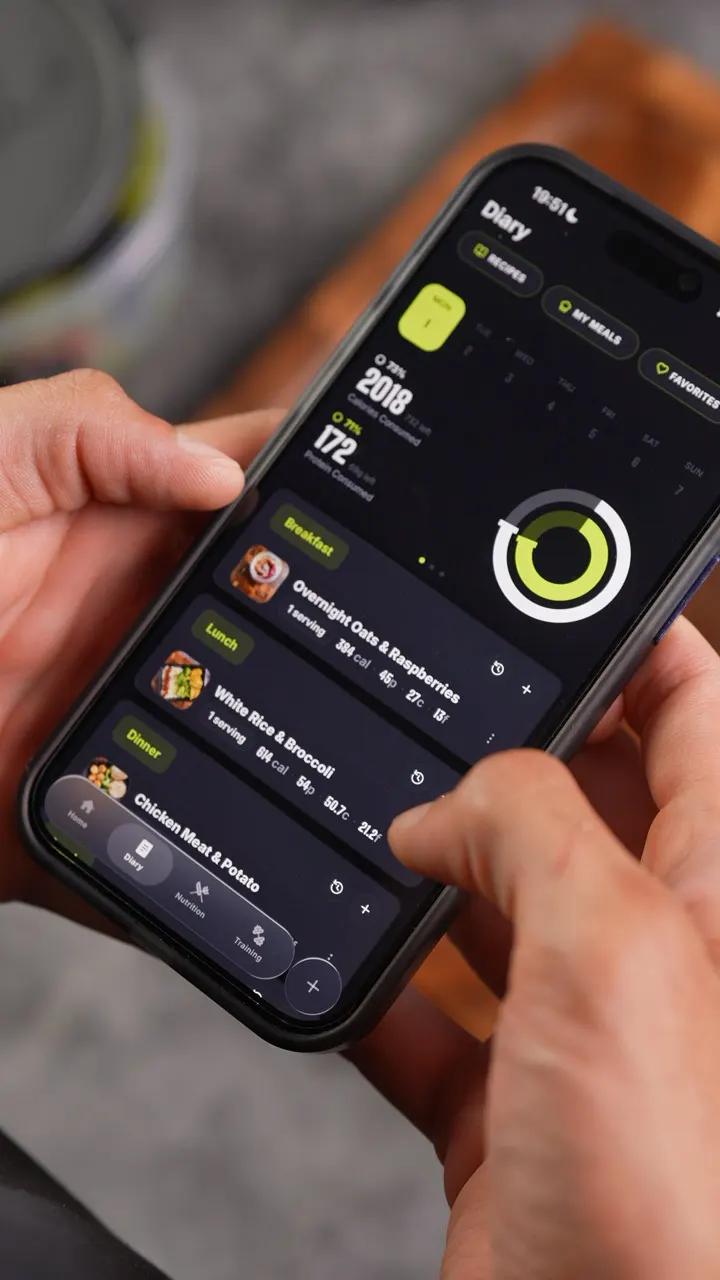
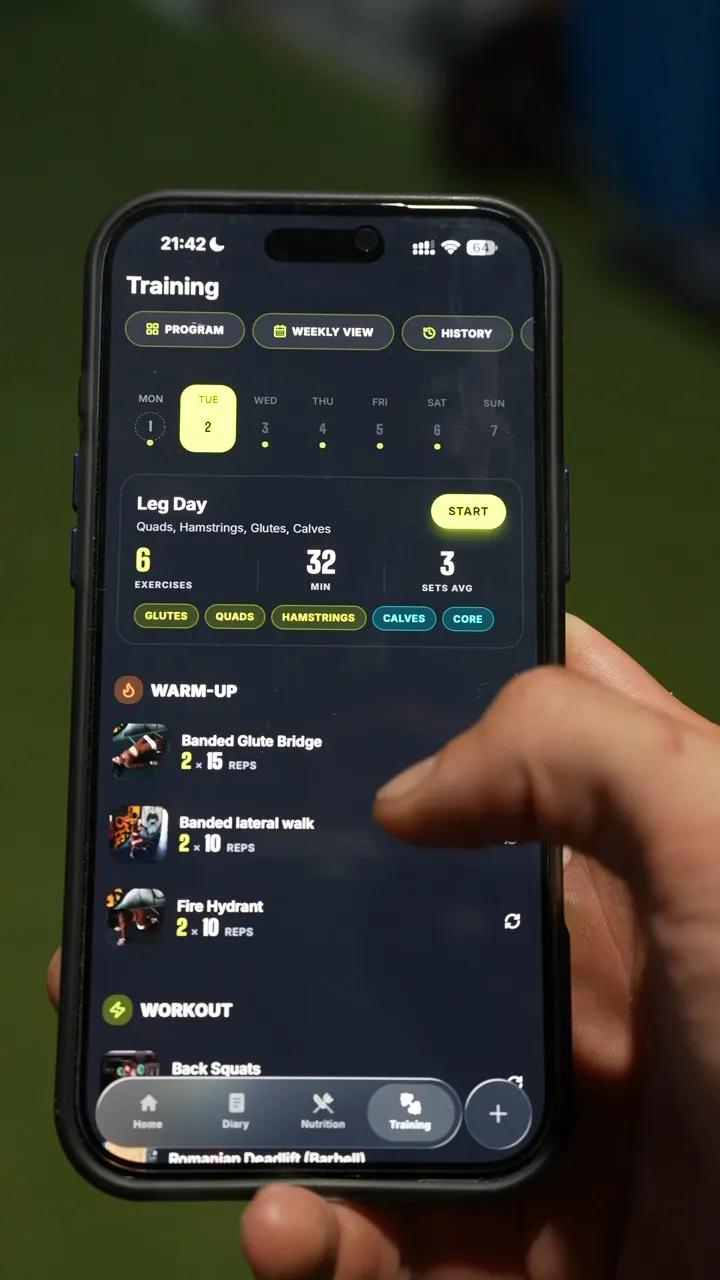
In every episode you will see me using the DietSync Fitness App — the app I use personally and with all of my clients for calorie tracking, macro calculation, food scanning, and weekly bodyweight monitoring.
It takes the maths out of the equation. You scan a barcode, log a meal, track your weight — and DietSync shows you whether your plan is actually working. No spreadsheets, no guesswork.
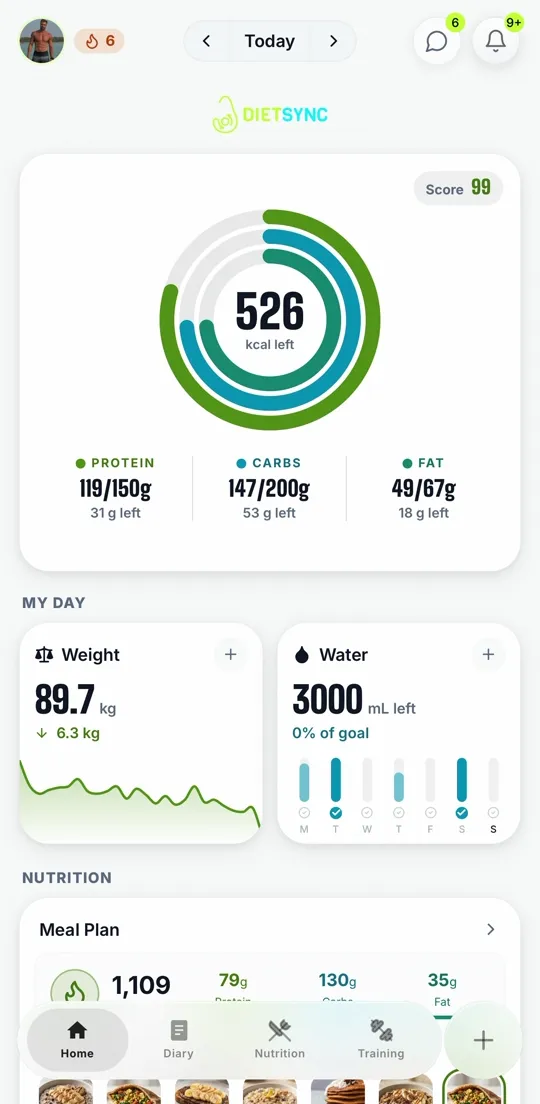
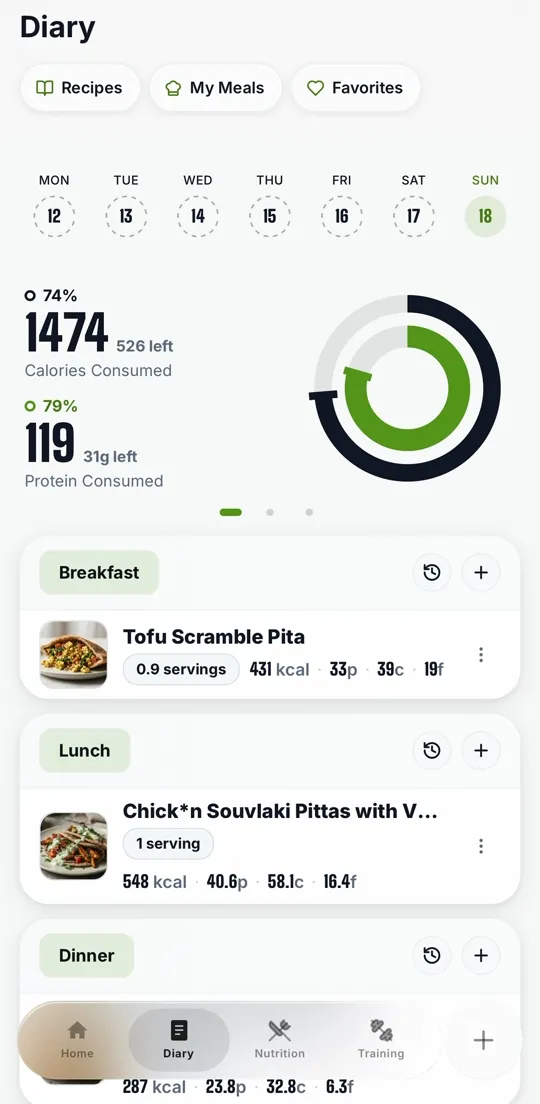
- Every meal turned into calories and macros
- Log food by photo, voice, barcode, label or search
- Weight Tracker with weekly averages
- Workouts with last time’s numbers in every set
QUESTIONS
Frequently asked questions
Why am I not seeing results at the gym?
Usually because there is no calorie deficit. Training burns less than most people think, so what you eat across the whole day decides whether you lose fat. Fix your calories first, then your protein.
Do carbs eaten at night turn into fat?
No. Weight loss is decided by your total calories across the day. Your body doesn’t store more fat at night because you are asleep.
Does eating small frequent meals boost metabolism?
No. 2,000 kcal in three meals and 2,000 kcal in six meals give the same result. Meal frequency only helps you manage hunger.
Do I need a protein shake right after my workout?
No. The window after training is several hours, not 30 minutes. Hitting your daily protein target matters far more than when you drink the shake.
What is the most important part of the Nutrition Pyramid?
Energy balance (calories), then macronutrients: protein, carbs and fat. Micronutrients and meal timing come next, and supplements are the smallest part, the last 1–5% of results.