You went out at the weekend. You ate more than your plan. Maybe you had a few drinks. And now you feel like you have ruined everything. Listen carefully: you haven't.
One bad day of eating doesn't make you fat — just like one salad doesn't make you lean. Results come from what you do most days, not from a single day.
In short
- One big day doesn’t ruin your progress: what you eat across the week decides it.
- Before you go: eat a protein snack and drink plenty of zero-calorie fluids. At the table: grilled protein, sauces on the side, go easy on the bread.
- Alcohol fits if you log it: a glass of wine is about 150 kcal, two beers 300 or more.
- Skip the cheat day. Log everything, including the pizza and the wine, and go back to your plan at the next meal.
The Weekly Math of a Night Out
Let's use real numbers. Say your maintenance is 2,400 kcal and you eat around 1,900 on most days. Then Saturday happens:
| Day | Calories |
|---|---|
| Monday | 1,900 |
| Tuesday | 1,880 |
| Wednesday | 1,920 |
| Thursday | 1,900 |
| Friday | 1,950 |
| Saturday | 3,200 |
| Sunday | 1,900 |
| Weekly average | 2,093 |
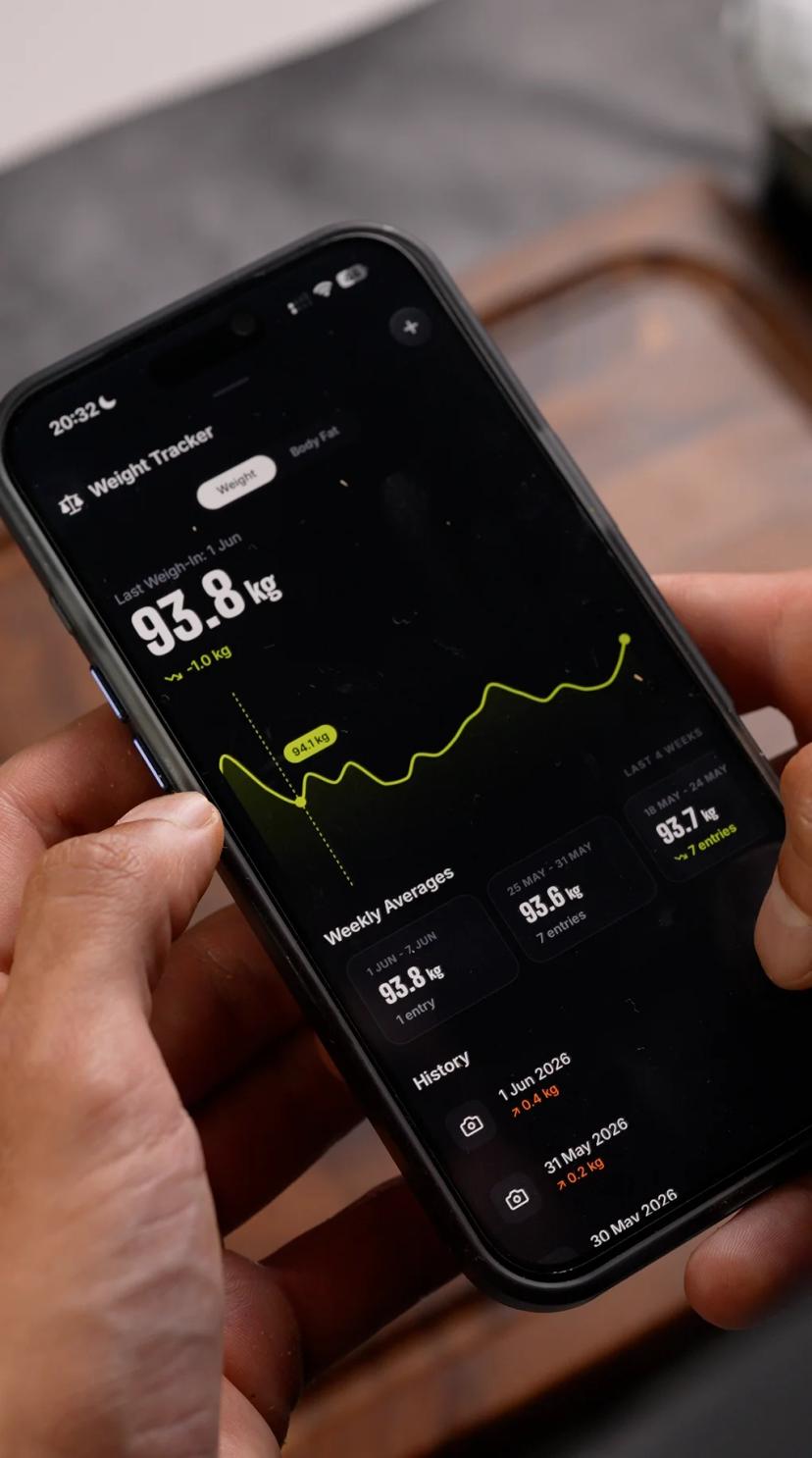
Your weekly average is 2,093 kcal — still well below your 2,400 maintenance. You are still in a deficit. The night out slowed the week down by a few days. It did not erase it.
What erases it is what comes next. If Saturday turns into "I'll start again on Monday" and Sunday becomes another 3,000 kcal day, the average climbs to about 2,250 and most of the week's deficit is gone. Stretch it across Friday, Saturday and Sunday and you end up above maintenance. One meal was never the problem. The spiral after it is.
How to Prepare Before You Go Out
You can't control every menu, but you can be prepared for every scenario:
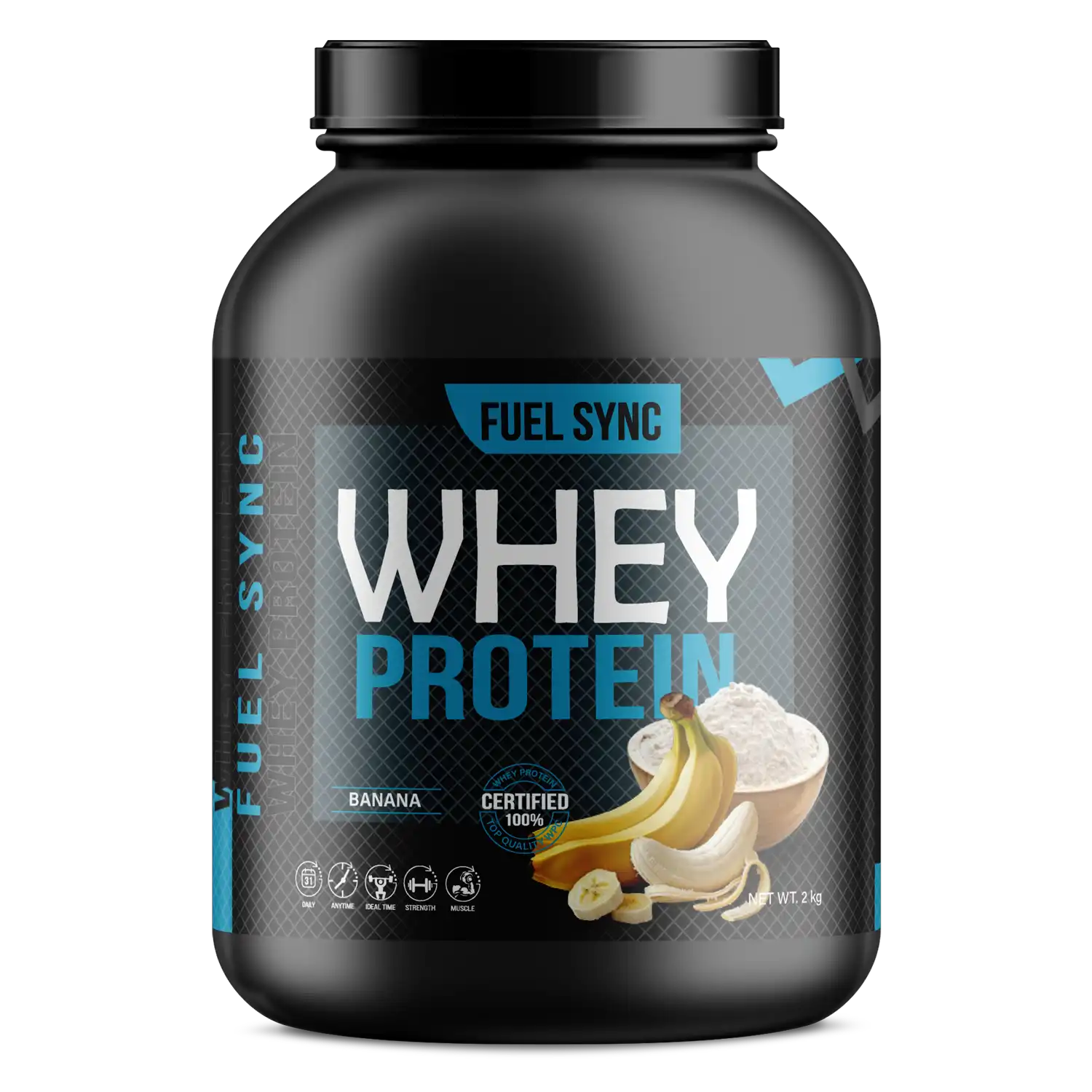
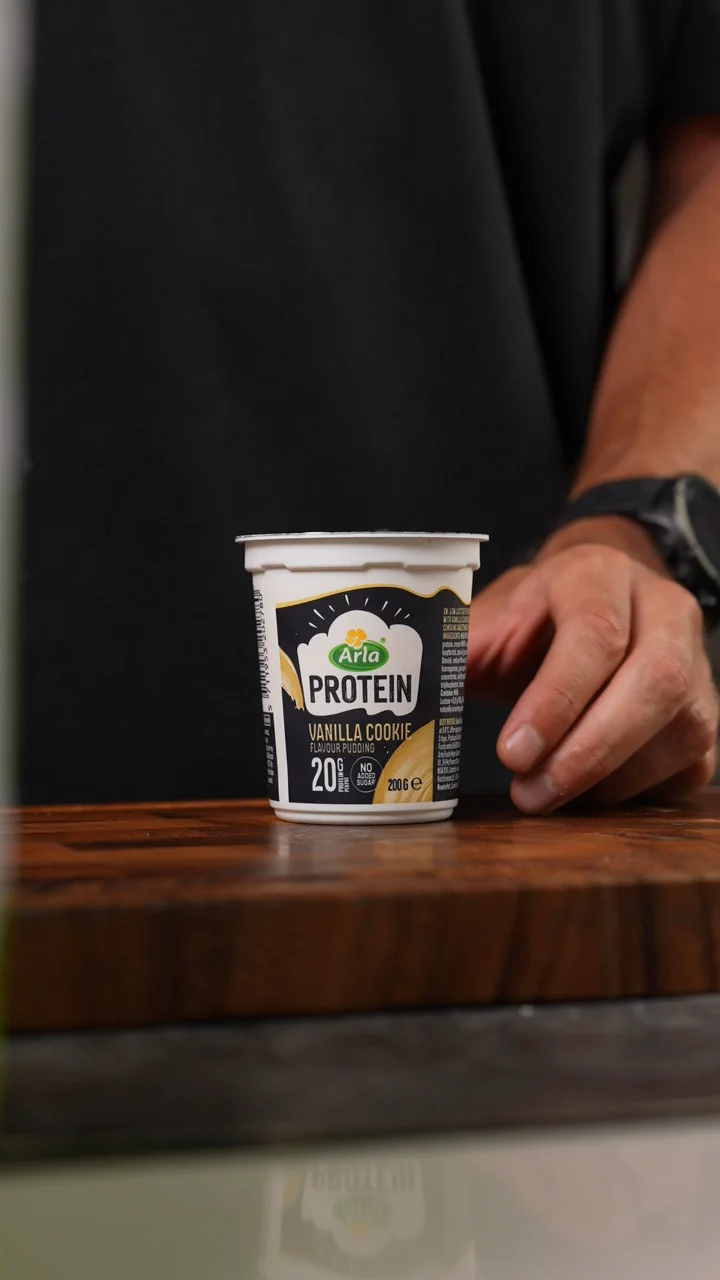
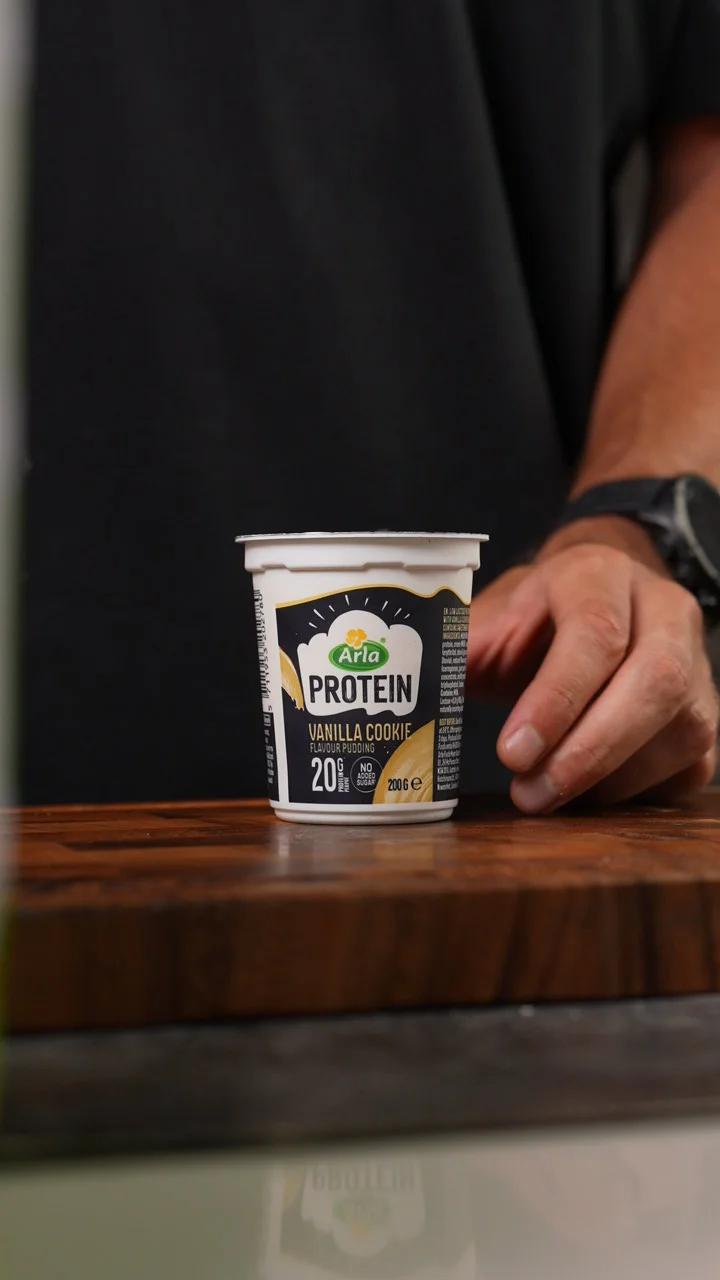
- Eat a protein snack before you leave — a protein pudding, Greek yoghurt or cottage cheese. You arrive less hungry and order with a clear head.
- Drink plenty of zero-calorie fluids — water, sparkling water or zero drinks. They help you feel full and slow the pace of the meal.
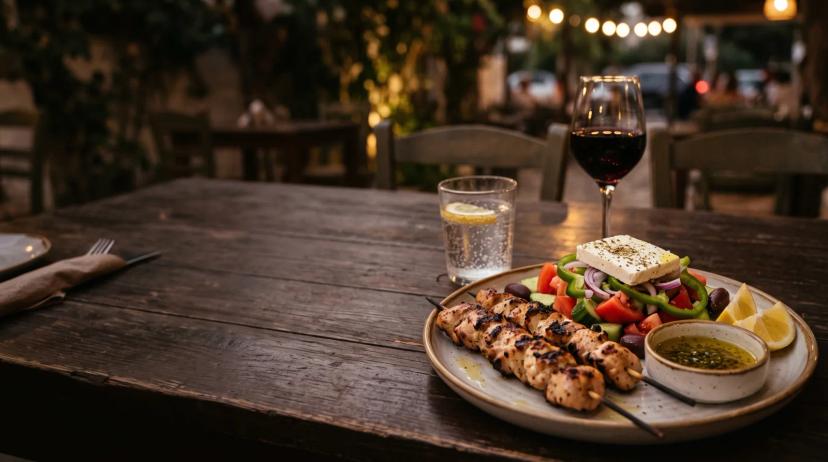
- Avoid fried food and heavy sauces when you can — that is where restaurant calories hide. Grilled protein with vegetables or a salad is almost always on the menu.
- Use the meal scanner in the DietSync Fitness App — take a photo of your plate for an estimate of the calories. However far off the estimate is, it keeps you on your plan far better than logging nothing.
What to Order When You Eat Out
You don't need a special menu. A few simple swaps cover almost every restaurant:
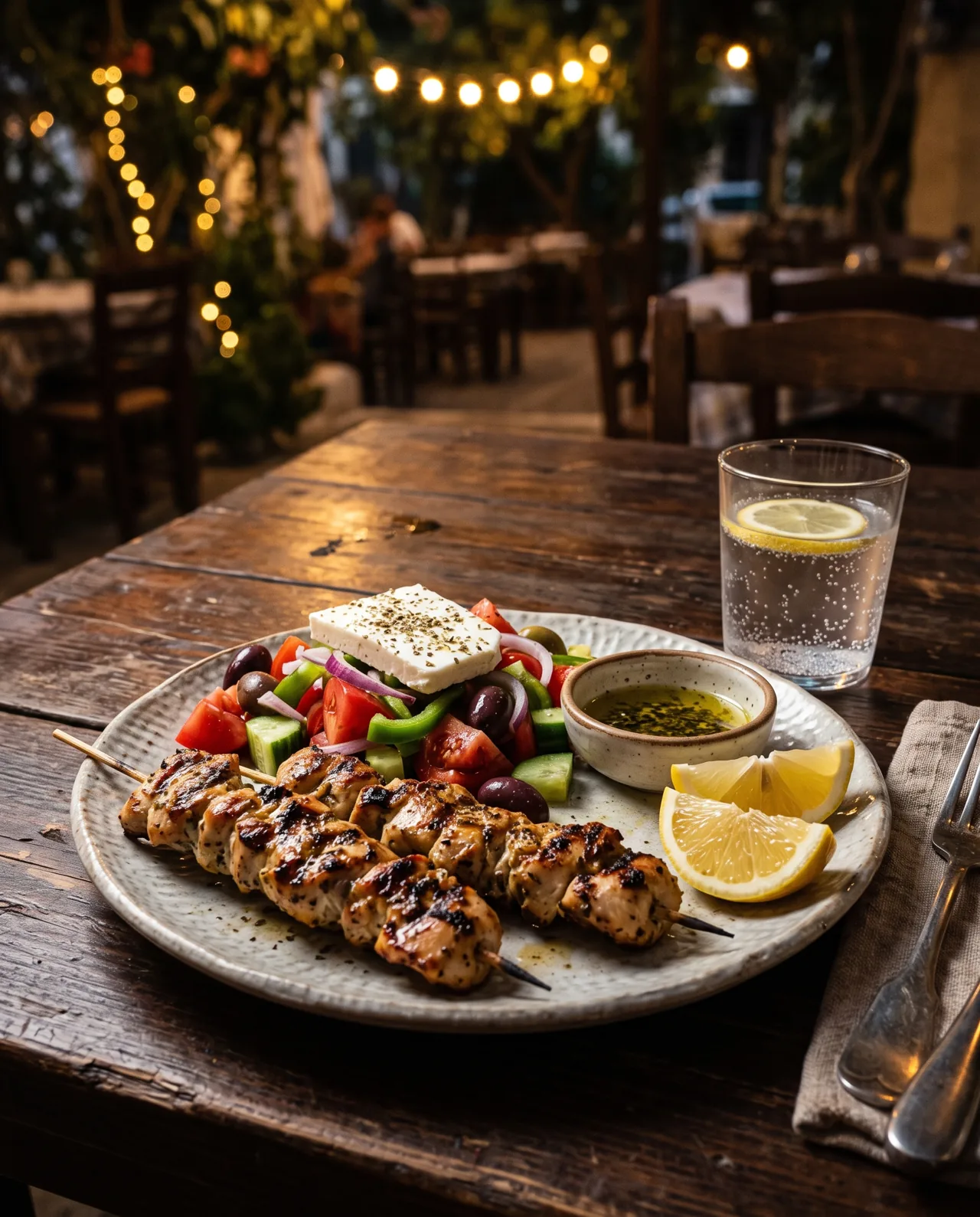
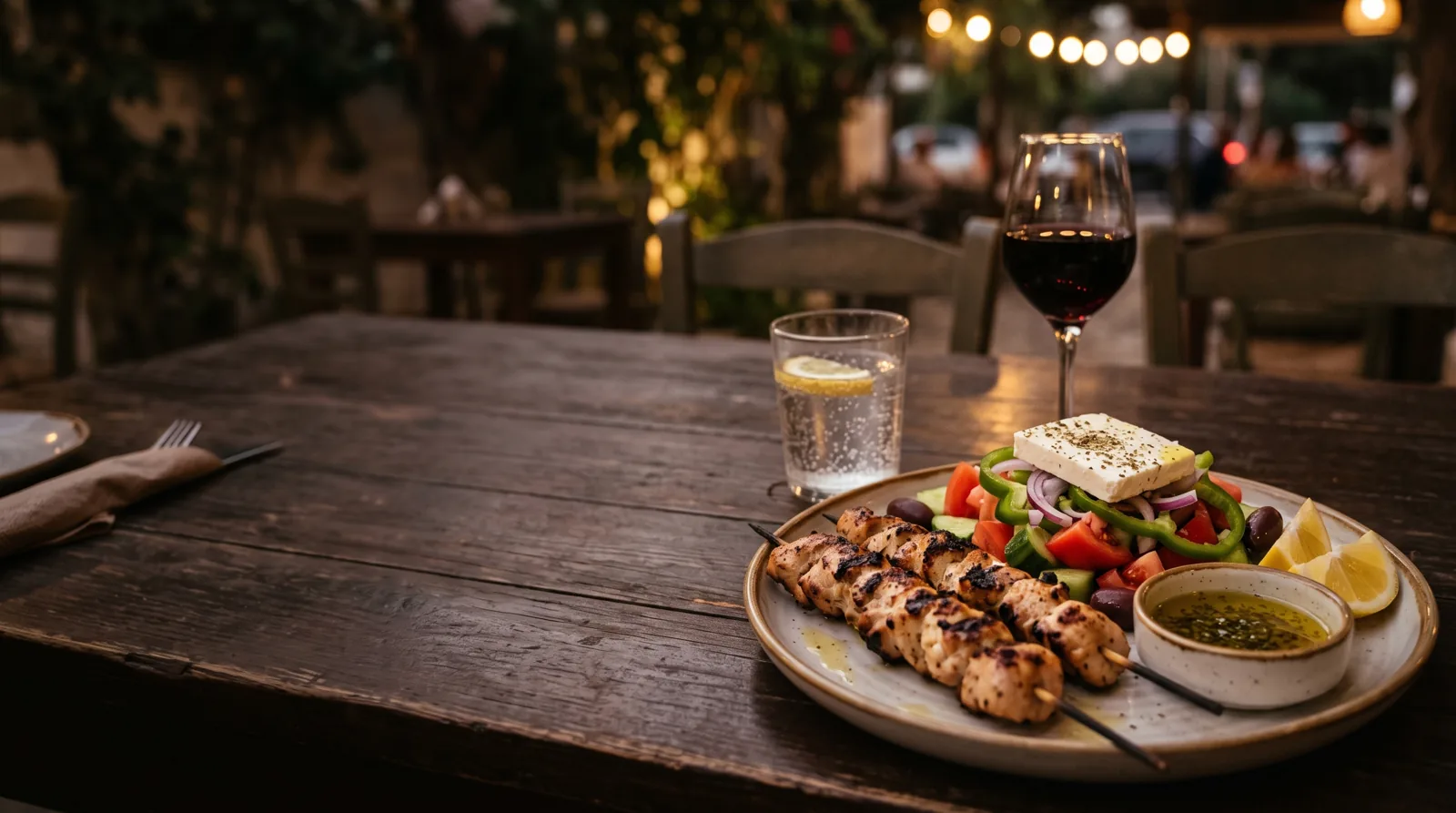
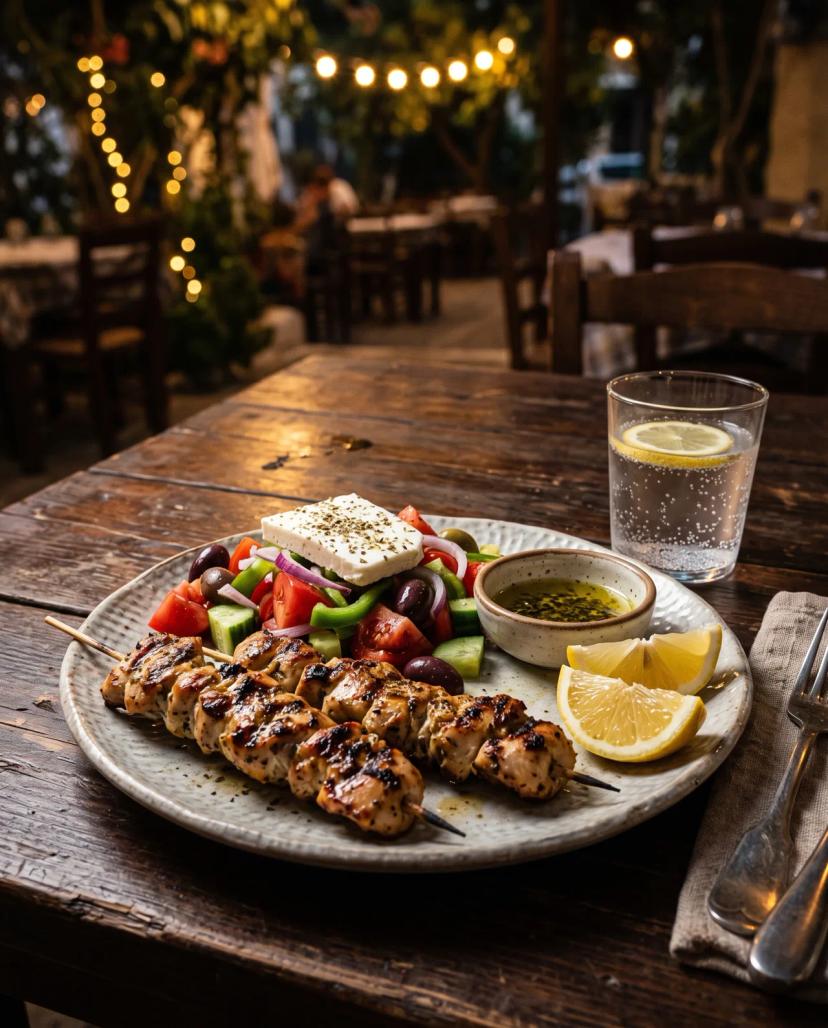
- Grilled over fried — souvlaki, grilled chicken or grilled fish instead of anything breaded or deep-fried.
- Salad or vegetables instead of fries — or share one portion of fries instead of having your own.
- Sauces and dressings on the side — a Greek salad can hide several tablespoons of olive oil, at around 120 kcal each. Ask for less, or add it yourself.
- Watch the bread basket — a couple of slices before the food even arrives can be 150–200 kcal.
- Share dessert — you still get the taste, for half the calories.
Build your plate the same way you do at home: protein first, then vegetables, then carbs, then fats. The restaurant changes, the structure doesn't.
And Alcohol?
A glass of wine is around 150 calories. Two beers are 300 calories and up. Sweet cocktails can go much higher. Alcohol is not forbidden. It simply goes into your diary like any other food, and you try not to go over your calories for the day.
If you know you will be drinking, plan for it: keep your earlier meals lean and high in protein so there is room left in your budget, and log the drinks as you have them rather than trying to remember them the next morning.
Consistency Beats Perfection
The secret isn't perfection. It's consistency. Ate too much yesterday? Today you go back to your plan. Not tomorrow, not Monday — at your next meal.
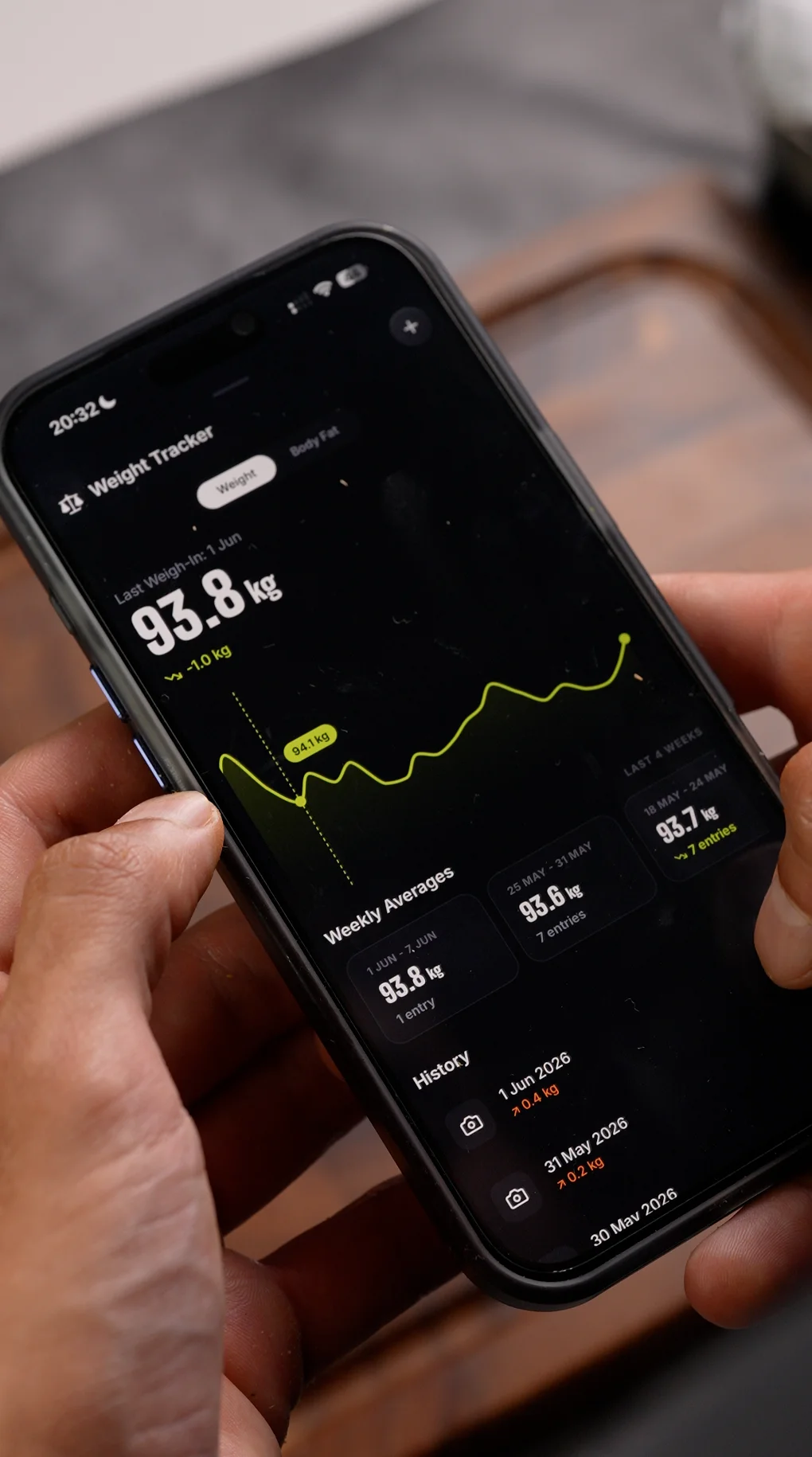
"I had a bad breakfast, I'll start again tomorrow" is what holds people back. Not a night out. What matters is what you ate across the week as a whole — the same logic as the weekly average weight method from Episode 3.
Why You Don't Need a Cheat Day
This is also why I don't do cheat days. A planned cheat day usually turns into an unlimited free-for-all that can wipe out a whole week's deficit, and it trains exactly the all-or-nothing thinking that makes people quit. When everything goes into your diary — the pizza, the wine, the dessert — there is nothing to cheat on. It is just food, and it fits.
The weekend counts as much as the weekdays. As we saw in Episode 4, not tracking at the weekend is one of the fastest ways to erase a week of good work.
Log It and Move On
Download the DietSync Fitness App and see how easy logging is — even at a restaurant. A photo scan, a barcode or a quick voice note, and you are back in control.
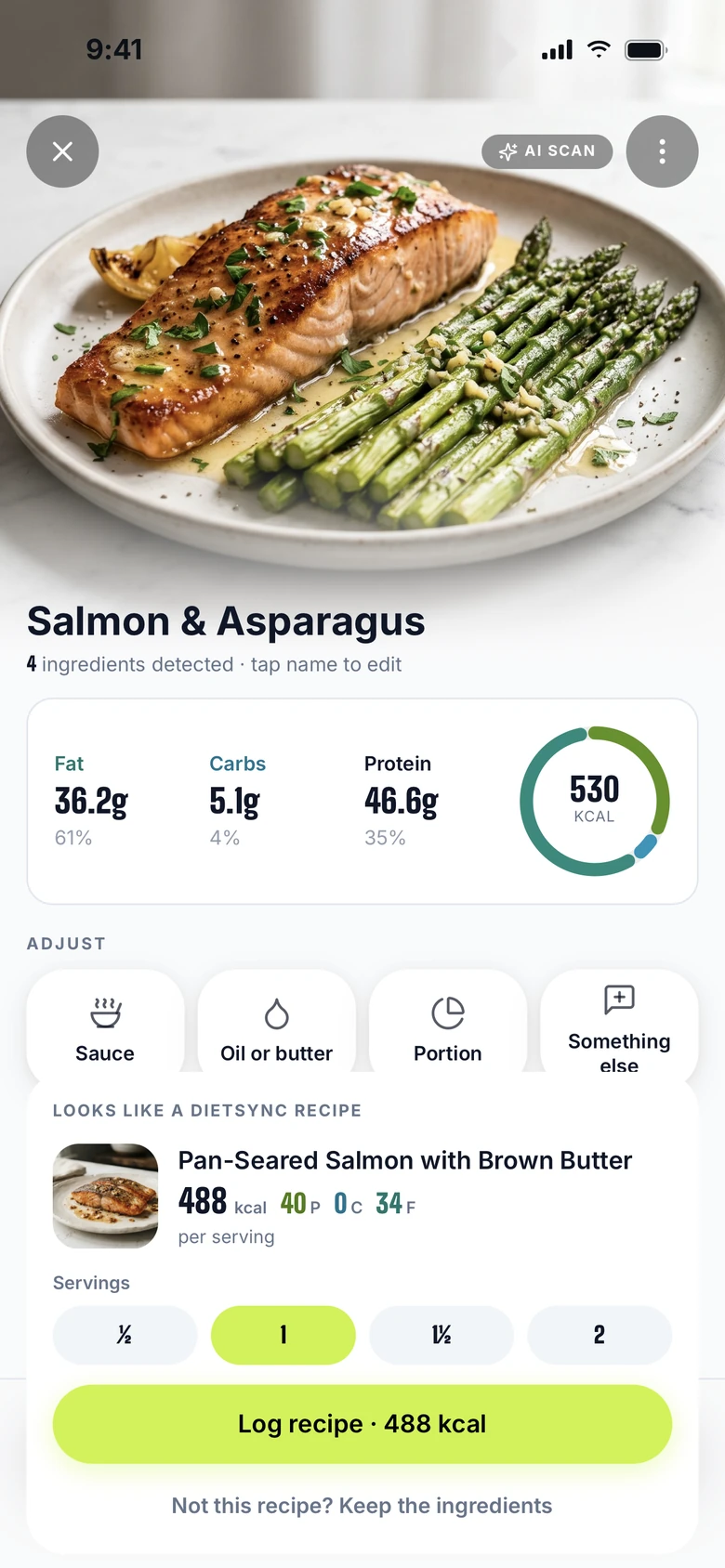
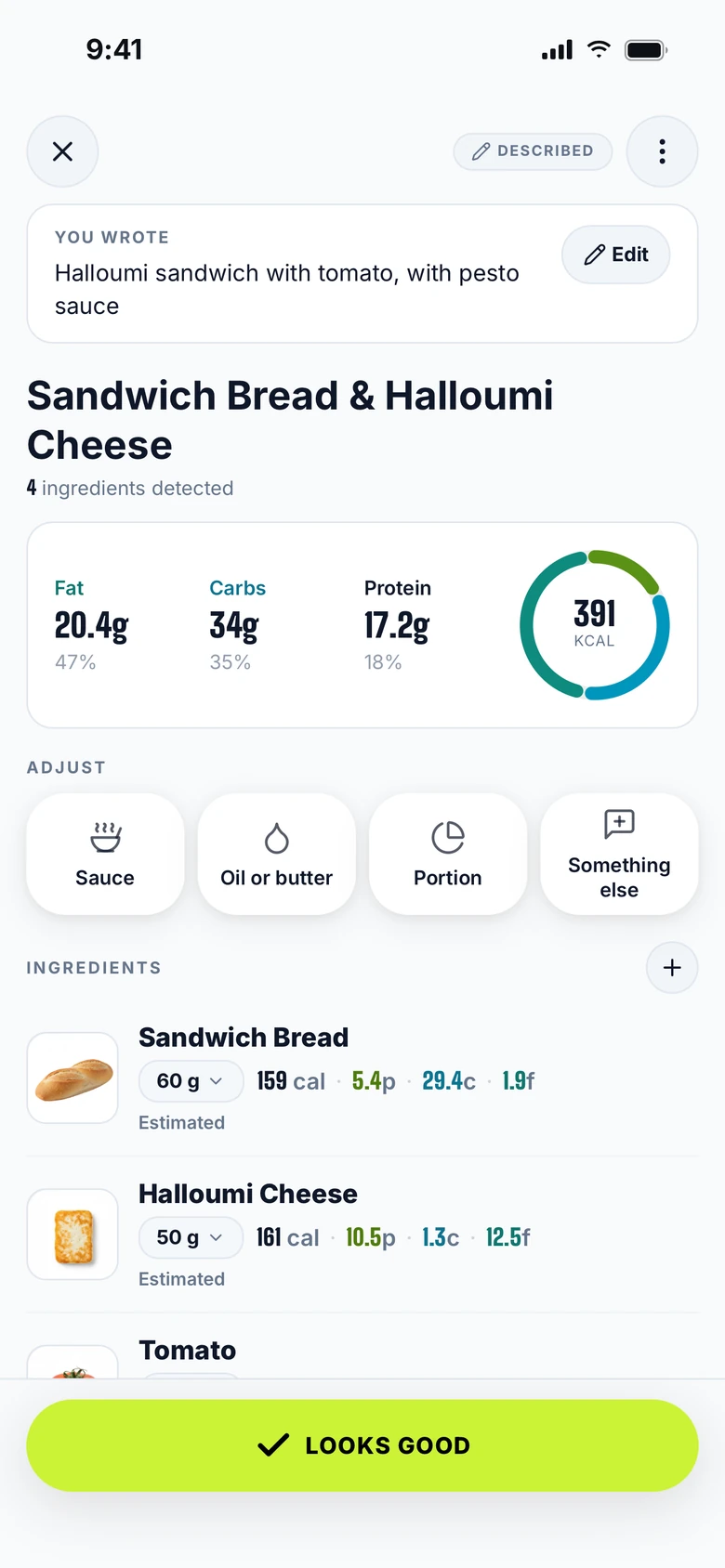
- Snap your plate: every food and its portion, with a quick fix for oil or sauce
- Or describe it: type what you ate, in Greek or English
- Change anything before you log
QUESTIONS
Frequently asked questions
Does one bad day ruin a diet?
No. If you eat around 1,900 kcal on most days and have one 3,000 kcal day, your weekly average is still in a deficit. What ruins it is giving up for the rest of the weekend.
How do I eat out on a diet?
Eat a protein snack before you go, order grilled protein with salad or vegetables, ask for sauces and dressings on the side, and watch the bread basket.
How many calories are in alcohol?
About 150 kcal in a glass of wine and 300 kcal or more in two beers. Sweet cocktails can be much higher.
Can I drink alcohol and still lose fat?
Yes, if it fits your calories. Log it like any other food and try to stay within your weekly target.
Do I need a cheat day?
No. A planned cheat day often turns into a free-for-all that wipes out the week’s deficit. Fit the foods you enjoy into your calories instead.