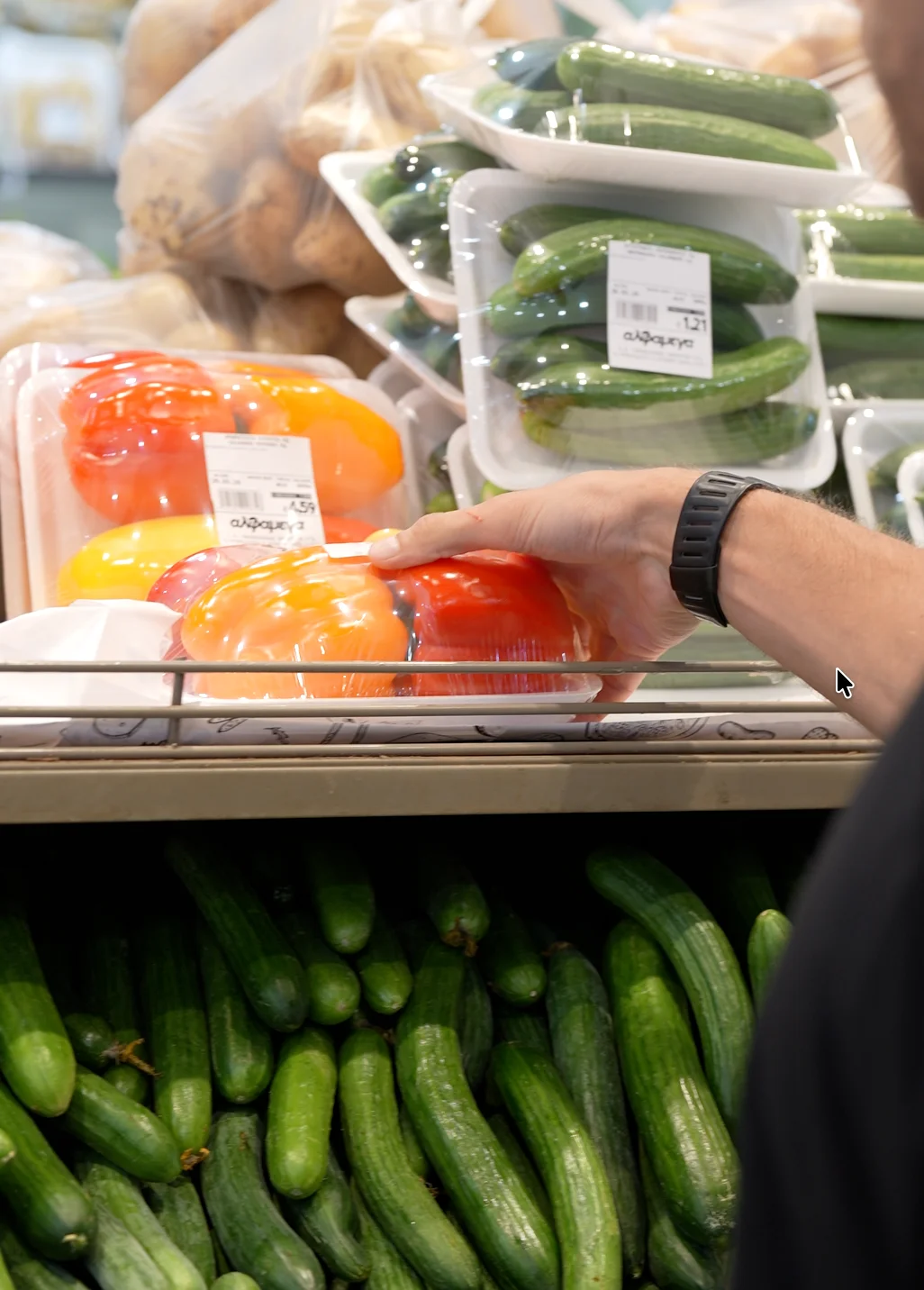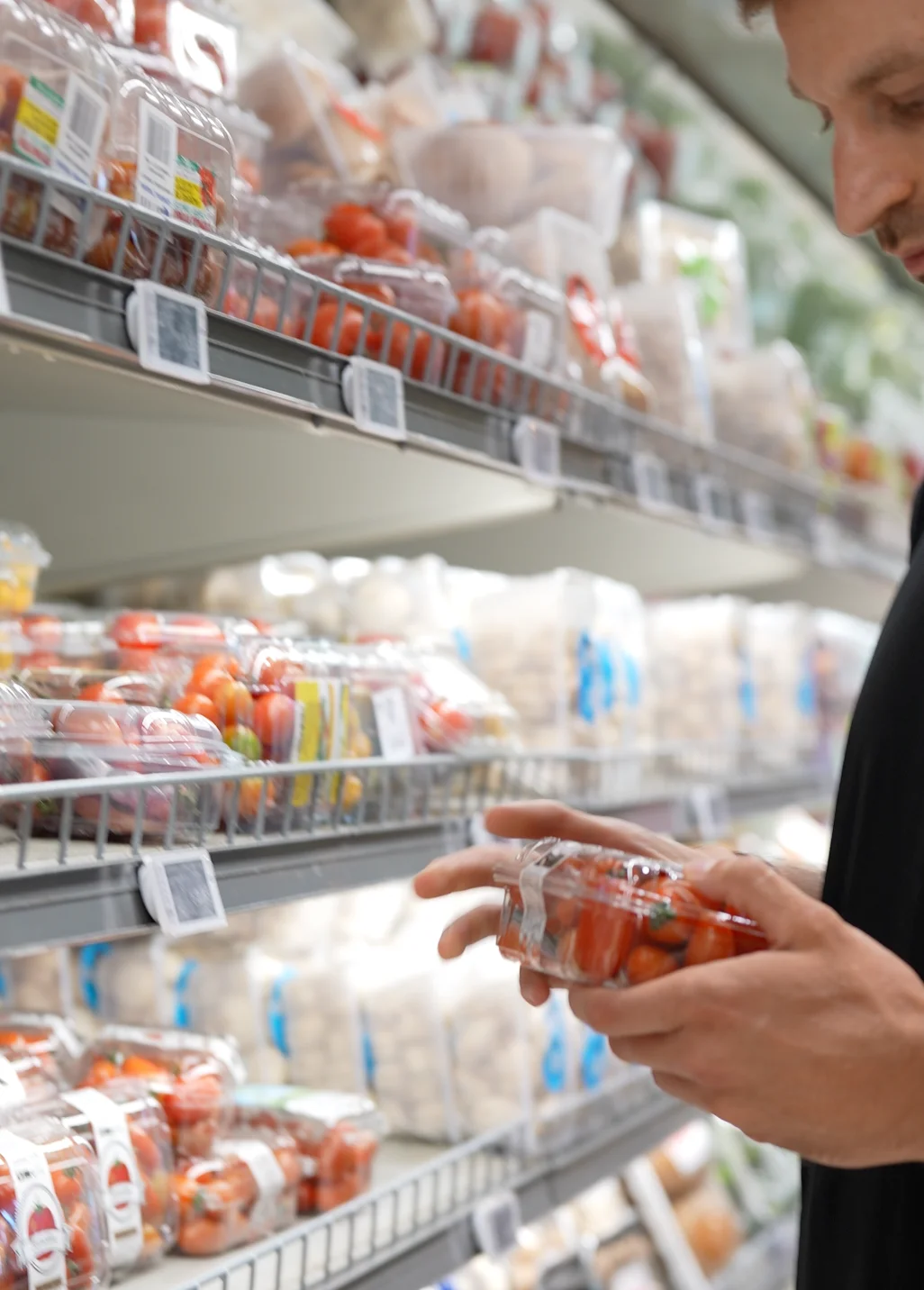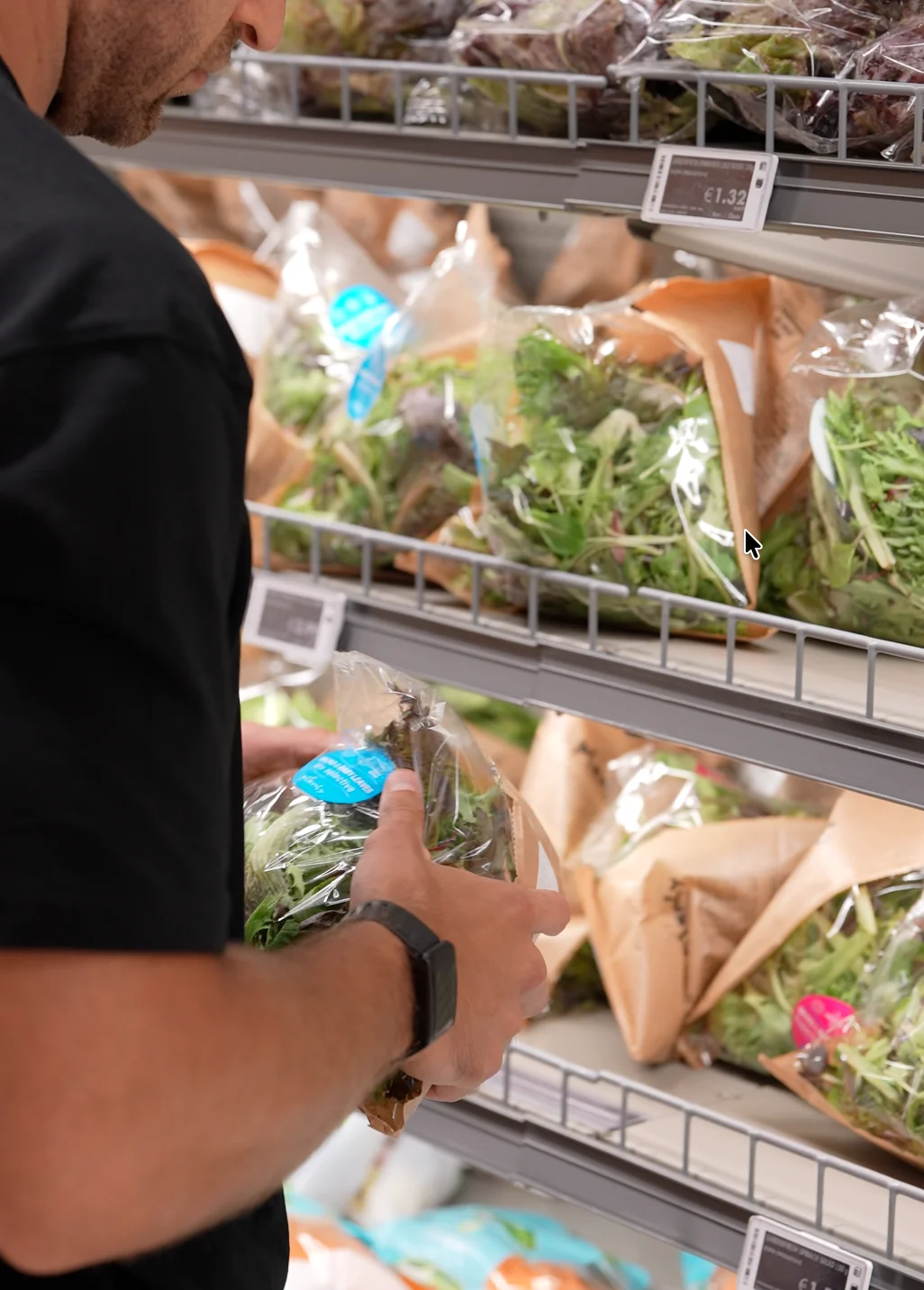
Everything starts at the supermarket.
You can have the perfect calorie target, a flawless tracking setup, and the best training programme in the world — but if your fridge and pantry are not stocked correctly, none of it works. The shopping trolley is where the cutting diet is either built or broken, and most people get it wrong not because they make bad choices, but because they have no clear system to follow.
This is the exact list I use every week. Filmed live at Alpha Mega in Cyprus, every item in this trolley appears in Episodes 6, 7, 8, and 9 of the 30 Days to Shred series. You buy this once, and it builds an entire week of nutrition.
Prices checked July 2026 at Alpha Mega, Cyprus.
In short
- The whole weekly shop comes to about €100: roughly €14–15 a day for five high-protein meals.
- Every item earns its place: high protein per calorie, high volume per calorie, works in several meals, and it is at Alpha Mega every week.
- Six groups: proteins, dairy, carbs, fresh and frozen produce, zero-calorie sauces and high-protein snacks.
- Everything here goes into the hacks, meal prep and full days of eating in episodes 6 to 9.
Why Structure Your Shopping Around Macros
Before we go through the list, here is the logic behind it. Every item in this trolley was chosen for one or more of the following reasons:
- High protein per calorie — the defining rule of a cutting diet
- High volume per calorie — foods that fill the plate and the stomach without blowing the budget
- Flexibility — items that work across multiple meals and formats so nothing goes to waste
- Availability — everything here is available at Alpha Mega every week, not specialty items that require a separate trip
The trolley is divided into five categories. Here is everything in it, and exactly why it earns its place.
🍗 Category 1 — Proteins
These are the most important items in the trolley. Everything else supports them.
Chicken Breast Fillet (~800g, ~€5.90)
The cornerstone of almost every cutting diet for good reason. Chicken breast is the highest protein-to-calorie ratio meat you can buy — approximately 31g of protein per 100g raw with only about 165 kcal. It is bland on its own, which is actually an advantage: it takes on any flavour you pair with it, making it endlessly versatile across the week.
Cost per gram of protein: roughly €0.04 — the cheapest protein source in the entire trolley.
Tip: Buy the larger packs — the 800g format costs significantly less per kilogram than the smaller 400g pack. Buy two packs and freeze half if you want a full two weeks covered.
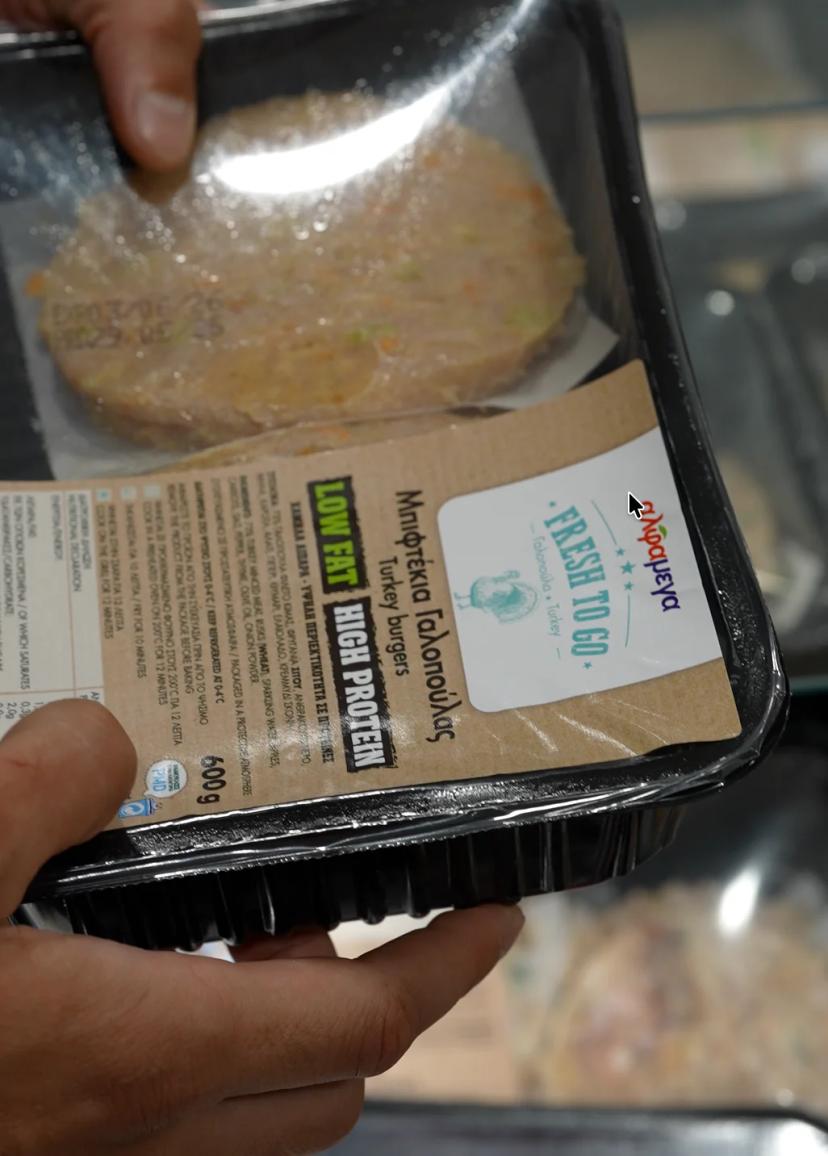
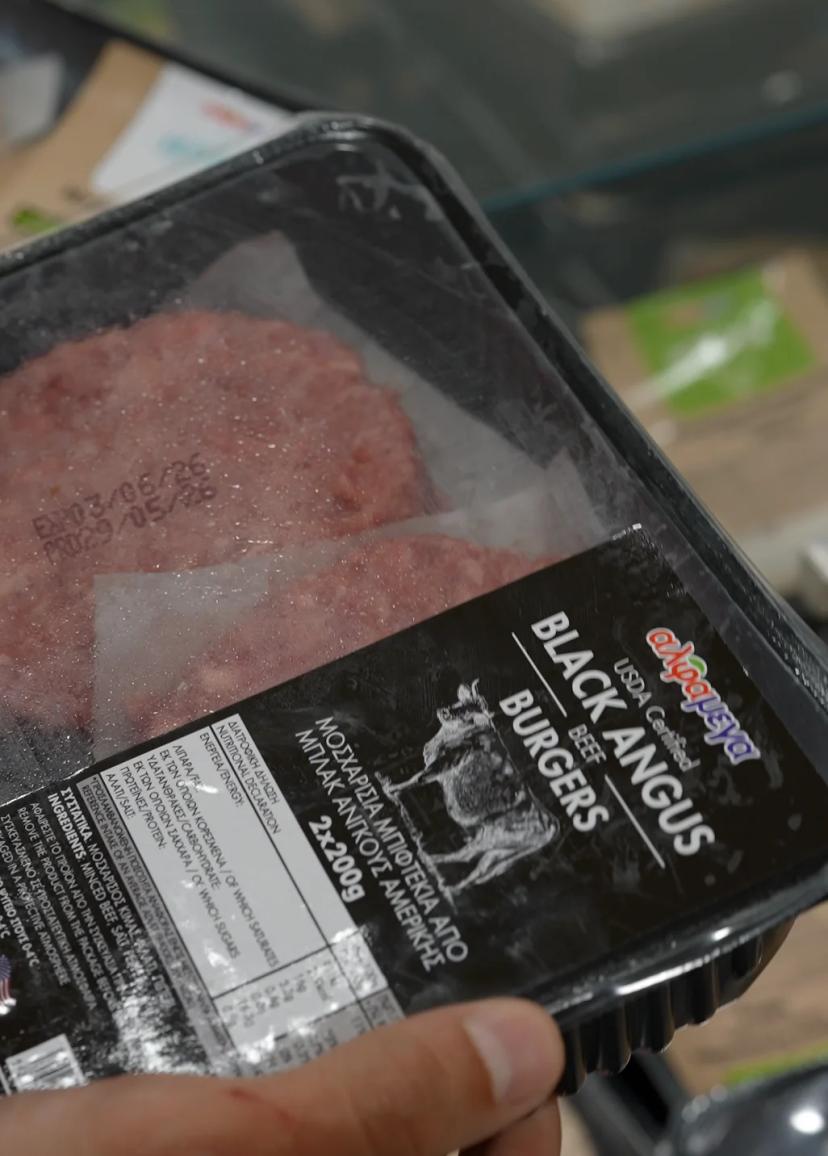
Chicken Burgers or Beef Burgers (~400g, ~€4.99)
A texture and flavour change from plain chicken breast that makes the week feel more varied. Lean beef burgers typically contain 20-22g protein per 100g with more fat than chicken — making them a good choice for the dinner slot where slightly more dietary fat is acceptable. Chicken burgers are leaner and work well for meal prep.
Tip: In Episode 7, the burgers go in the same oven tray as the baby potatoes — zero extra washing up, one oven session.
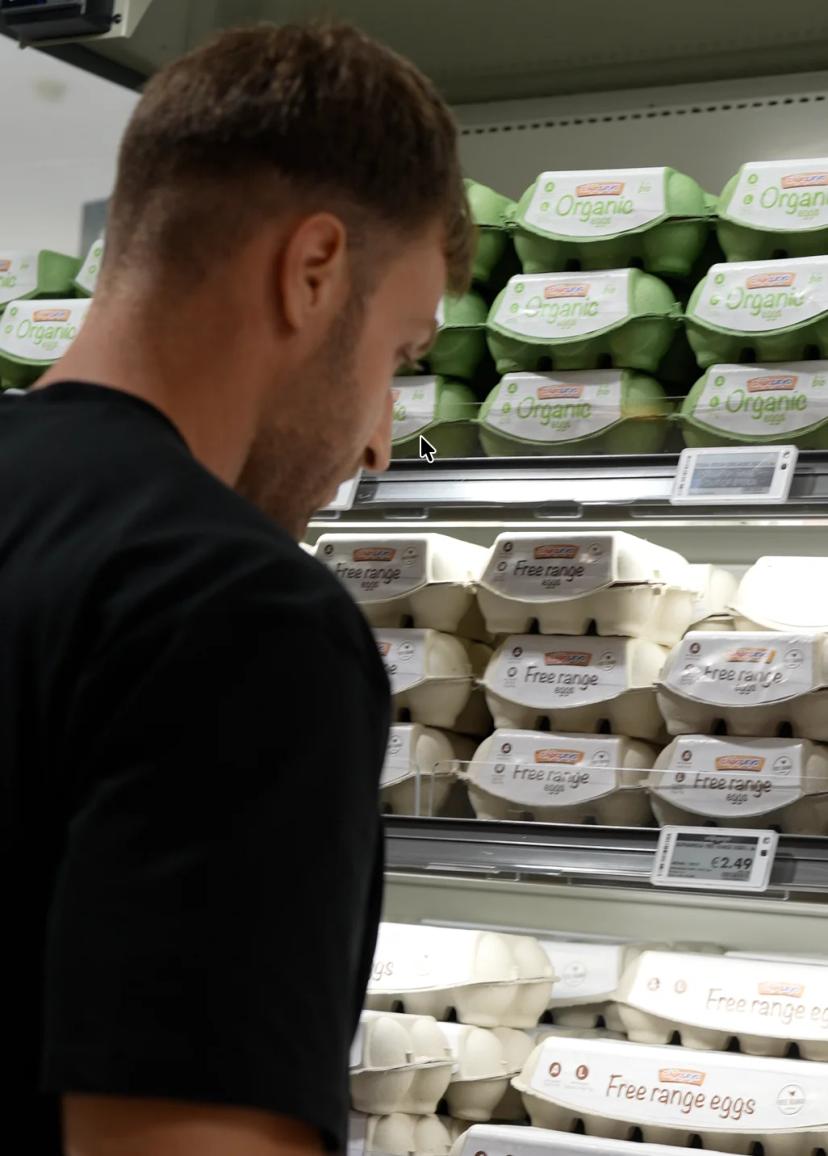
Free-Range Eggs, 12-pack (~€3.79)
One of the most nutrient-dense foods available at any price point. A whole egg provides 6g of protein plus healthy fats, choline, B12, and vitamin D — all in approximately 70 kcal. They work as breakfast (scrambled, omelette), as a snack (boiled), or as part of a recipe.
Cost per gram of protein: roughly €0.05.
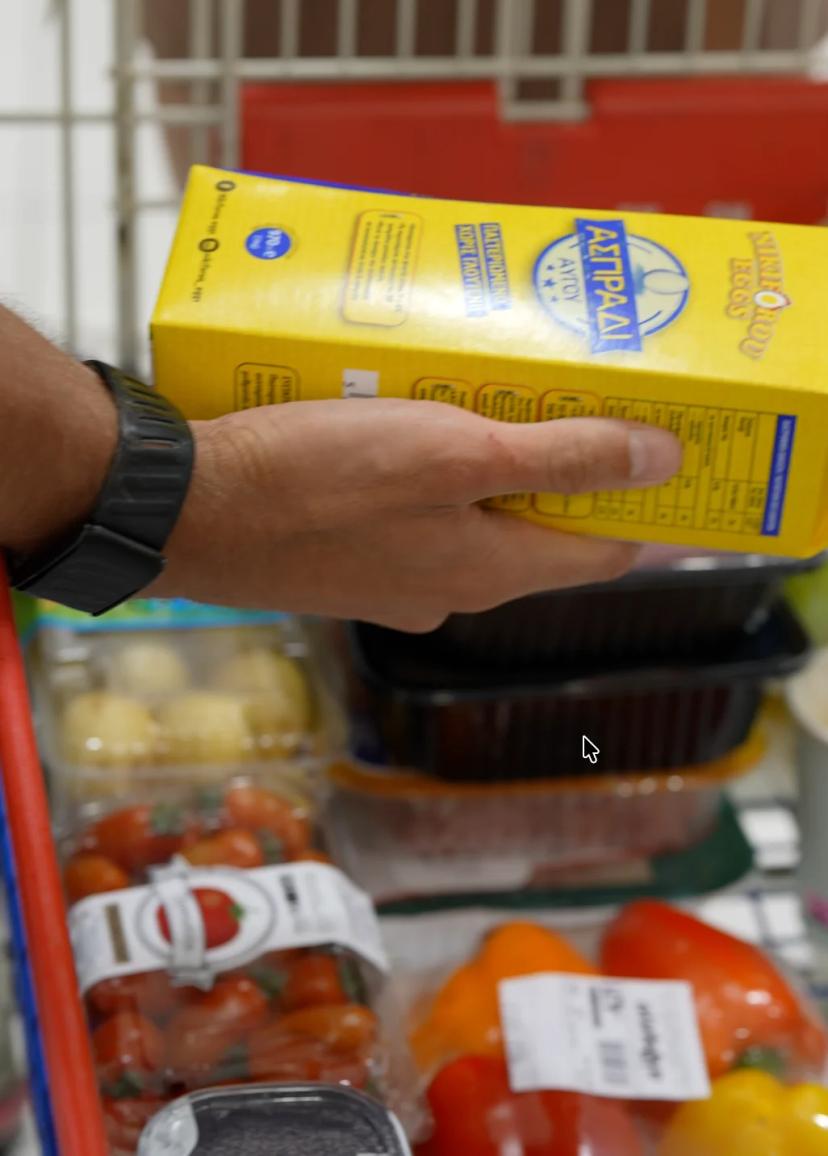
Liquid Egg Whites, 500ml (~€3.89)
Where eggs give you the full nutritional profile, liquid egg whites give you pure protein with almost zero fat or carbs. 100ml contains approximately 11g protein and only 50 kcal. Perfect for adding protein to an omelette without adding calories, for making a higher-protein egg white omelette (Episode 9, the women's 1400 kcal day), or blending into overnight oats without affecting the texture.
Tip: Shake the carton well before using. Store upright in the fridge and use within 3 days of opening.
Canned Tuna in Water, x3 cans (~€4.50)
The most overlooked protein source on this list. A standard 160g can of tuna in water contains approximately 38g of protein for around €1.50 — making it gram for gram the best value protein in the supermarket. It requires no cooking, no preparation, and no refrigeration until opened.
Cost per gram of protein: €0.04 — equal to chicken breast and significantly cheaper than any other protein on this list.
Tip: Always choose tuna in water, not sunflower oil. The oil version adds 150-200 kcal of fat that is not useful in a cutting context and that you cannot drain completely.
🥛 Category 2 — Dairy
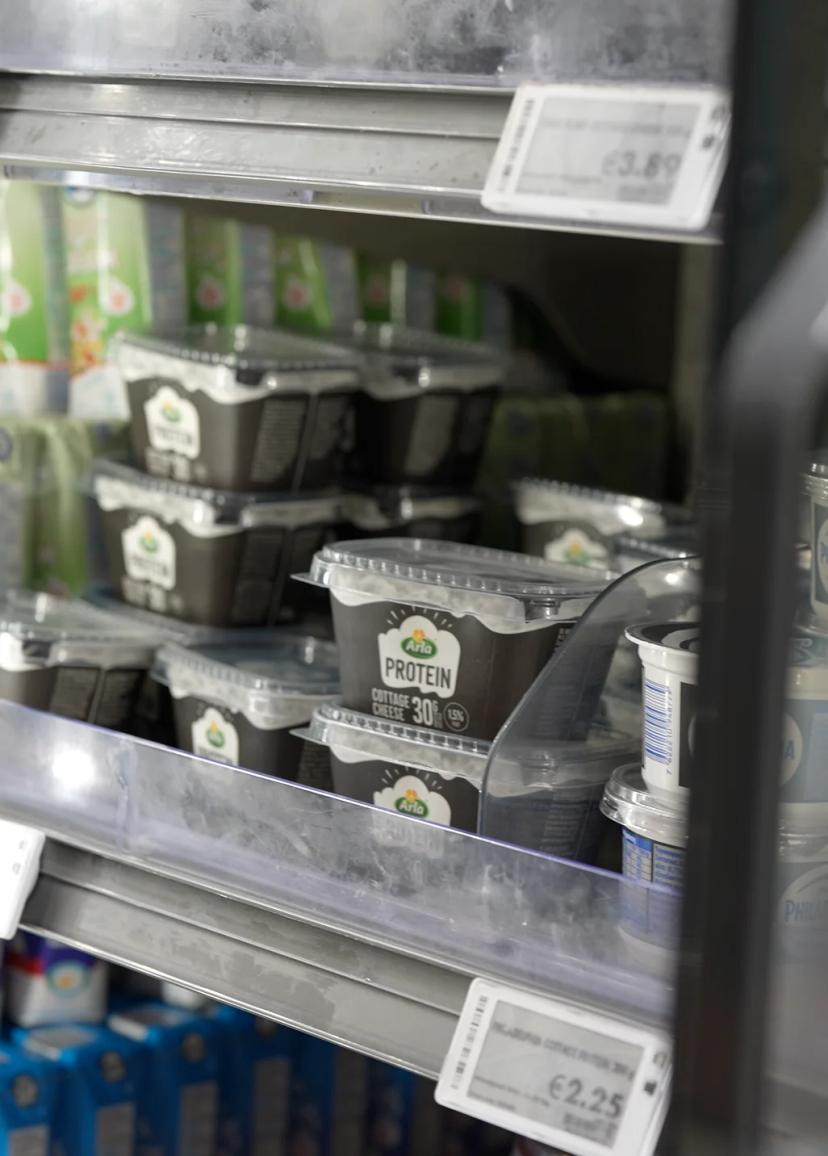
Cottage Cheese, 200g x2 (~€1.99 each, ~€3.98 total)
One of the highest protein-to-calorie dairy products available — approximately 12-14g of protein per 100g with very low fat depending on the variety. Its neutral flavour makes it extremely versatile: it works as a snack with cucumber and salt, blended smooth as a protein mousse (Episode 6 hack), stirred into pasta sauce, or eaten straight from the tub.
The Arla Protein version (€1.99 at Alpha Mega) gives you 13g of protein per 100g in a 200g tub — 26g of protein per tub for under €2. That is exceptional value.
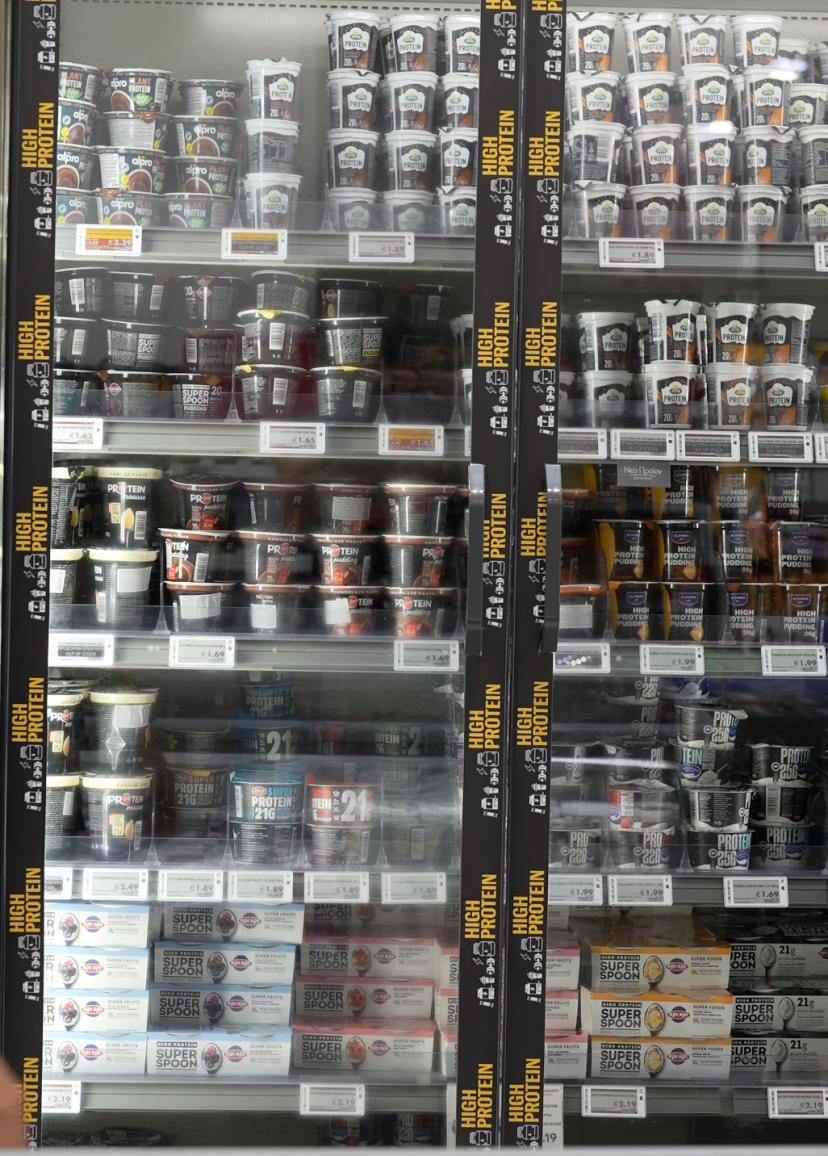
Protein Pudding, 200g x2 (~€1.75 each, ~€3.50 total)
The most convenient snack on the list. Pre-made, no preparation required, approximately 20g of protein and 150 kcal per tub. Tastes like dessert. Featured in Episode 9 as a snack slot specifically because it handles the sweet craving without derailing the calorie budget.
Tip: Keep one in your bag for work or travel. When the afternoon hunger hits and you are away from home, this is the snack that stops you from making a bad decision at the nearest café.
0% Greek Yoghurt, 500g (~€2.29)
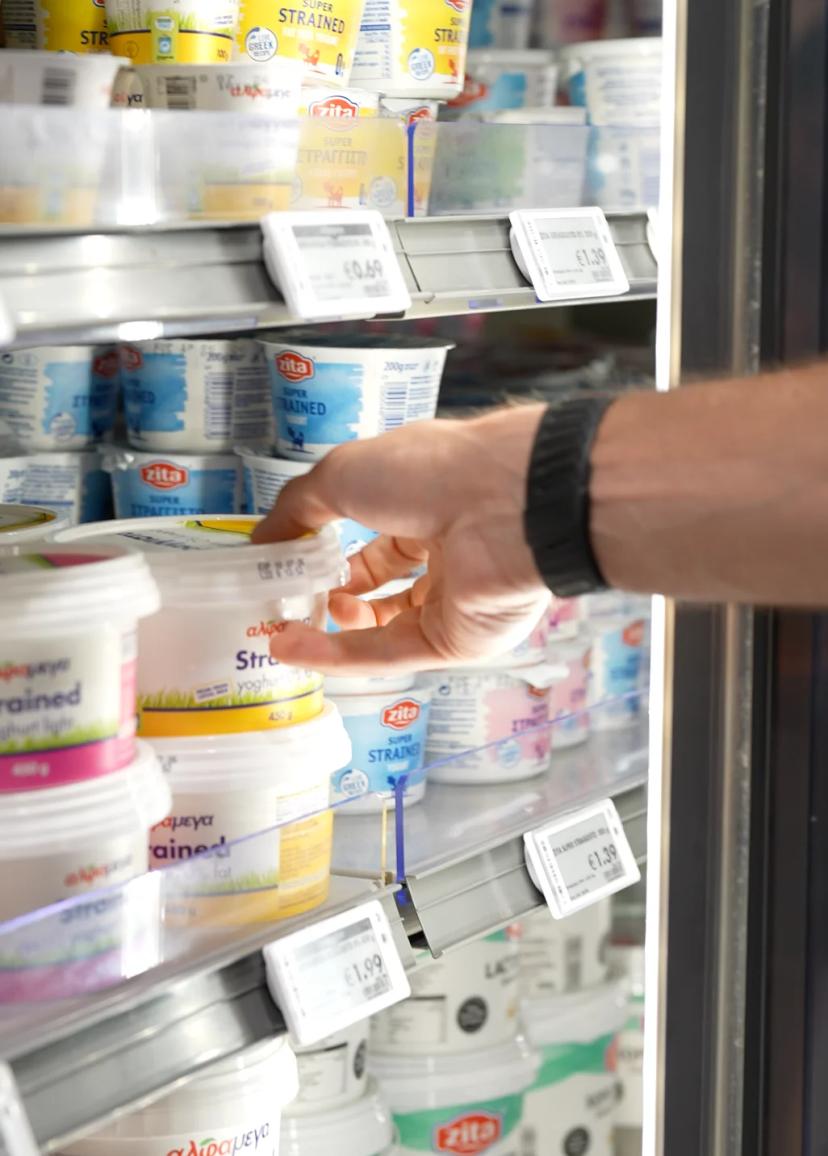
21g of protein per 200g serving, approximately 110 kcal. The base for multiple recipes in this series — mixed with protein powder as a high-protein dessert (Episode 6 Hack 1), used as a dressing base for tuna rice cakes, and featured in the 2000 kcal men's plan as a pre-workout snack. Buy the 500g tub rather than individual portions — significantly cheaper per gram.
🌾 Category 3 — Carbohydrates
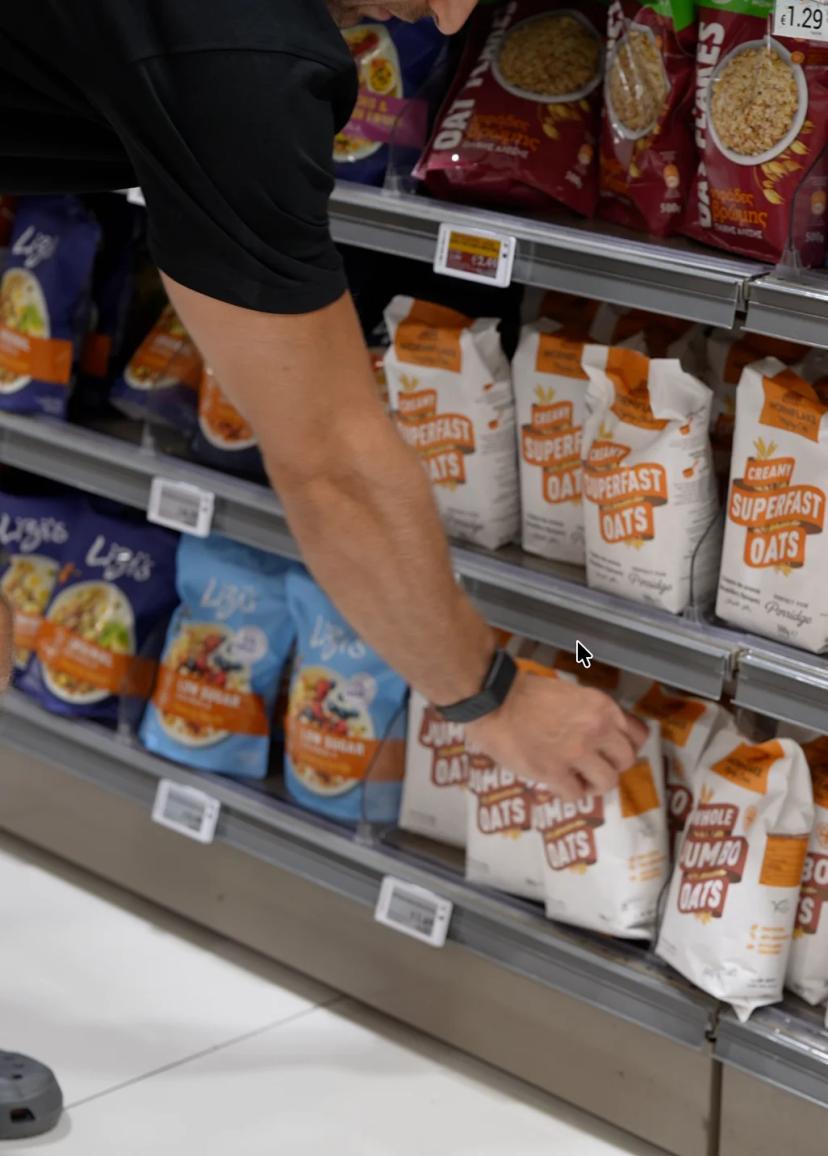
Jumbo Rolled Oats, 500g (~€2.49)
The most cost-efficient carbohydrate on the entire list. A 500g bag costs approximately €2.49 and contains roughly 10 servings. Per 60g dry serving: 42g carbohydrates, 8g protein, 4g fat, approximately 230 kcal. Oats are digested slowly, which means stable blood sugar and sustained energy levels — particularly important on training days.
They also absorb liquid and expand significantly, meaning 60g dry oats becomes a very filling bowl once milk or water is added. Volume for very few calories.
Tip: Buy the jumbo oats rather than instant. They digest more slowly, keep you fuller for longer, and have a better texture for overnight oats.
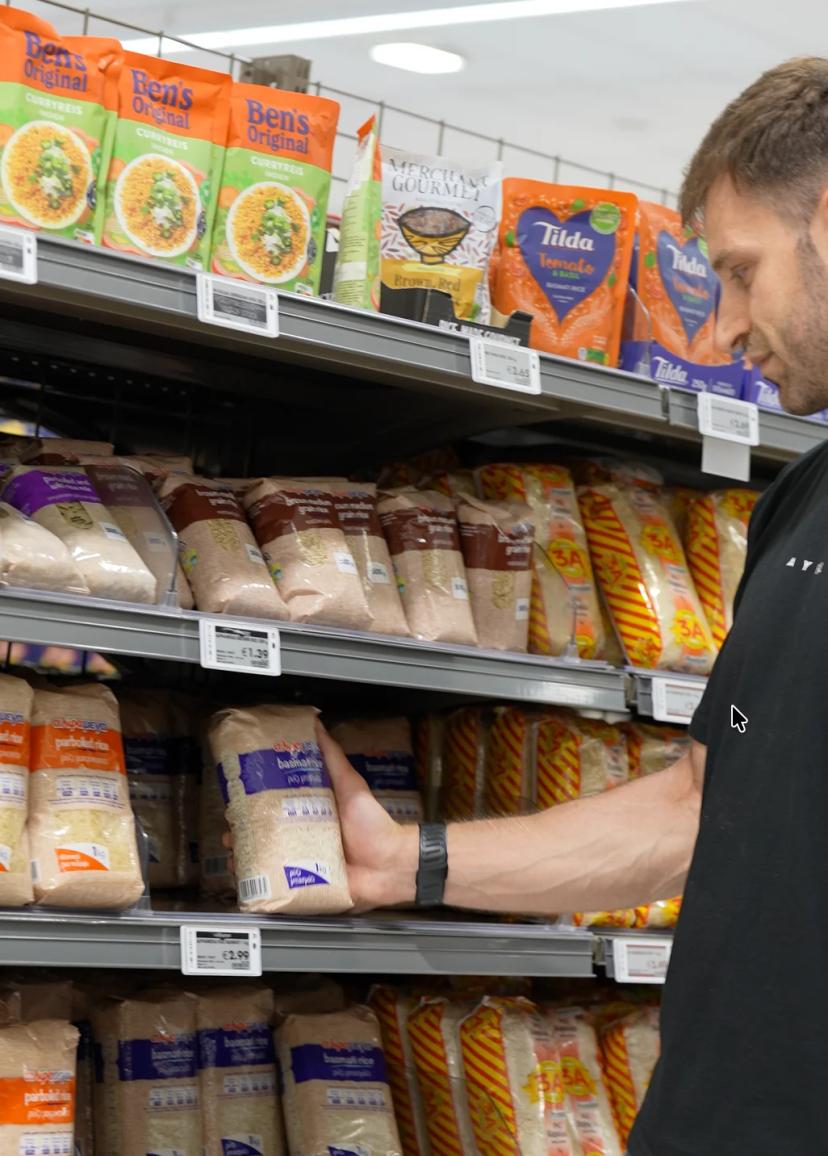
Basmati Rice, 1kg (~€2.99)
The primary carb source for lunch throughout the week. 100g dry basmati rice gives approximately 75g of carbohydrates and 360 kcal. Basmati has a lower glycaemic index than standard long-grain rice, meaning a slower digestion and less of a blood sugar spike post-meal. It also has a natural aroma and texture that makes it more enjoyable to eat plain — important when you are eating it four or five times a week.
Tip: Cook the entire 400g for the week in one session during meal prep (Episode 7). Once cooled and refrigerated, cooked rice keeps well for 4-5 days.
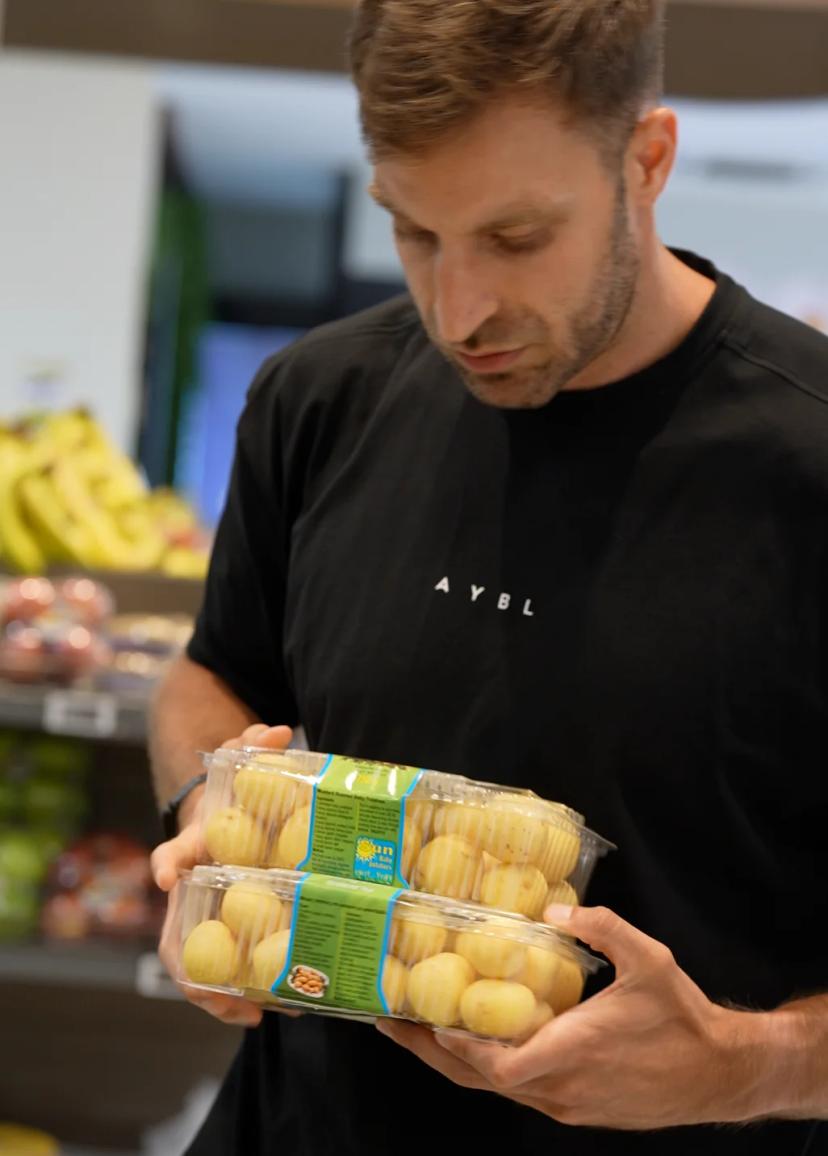
Baby Potatoes, 1kg (~€1.99)
The second carbohydrate and the one that makes dinner feel completely different from lunch. Per 100g cooked: approximately 77 kcal, 17g carbohydrates, 2g protein. Baby potatoes roast well with minimal effort, and their natural sweetness when caramelised makes them a genuinely satisfying part of a meal.
They also have a very high satiety index — studies rank potatoes among the most filling foods per calorie of any carbohydrate. This matters a lot in a deficit.
Tip: Roast them in the same tray as the chicken burgers in Episode 7. They take similar time at 200°C and absorb the meat juices for extra flavour without any added fat.
Plain Rice Cakes (~€2.29)
Approximately 35 kcal per cake, 7g carbohydrates, 1g protein. Their value is in versatility rather than nutrition: they are a neutral vehicle for toppings — tuna mix, cottage cheese, almond butter, sliced cheese — that lets you create a snack in 90 seconds with ingredients already in the fridge. Portable, zero preparation, long shelf life.
🥦 Category 4 — Fresh Produce and Vegetables
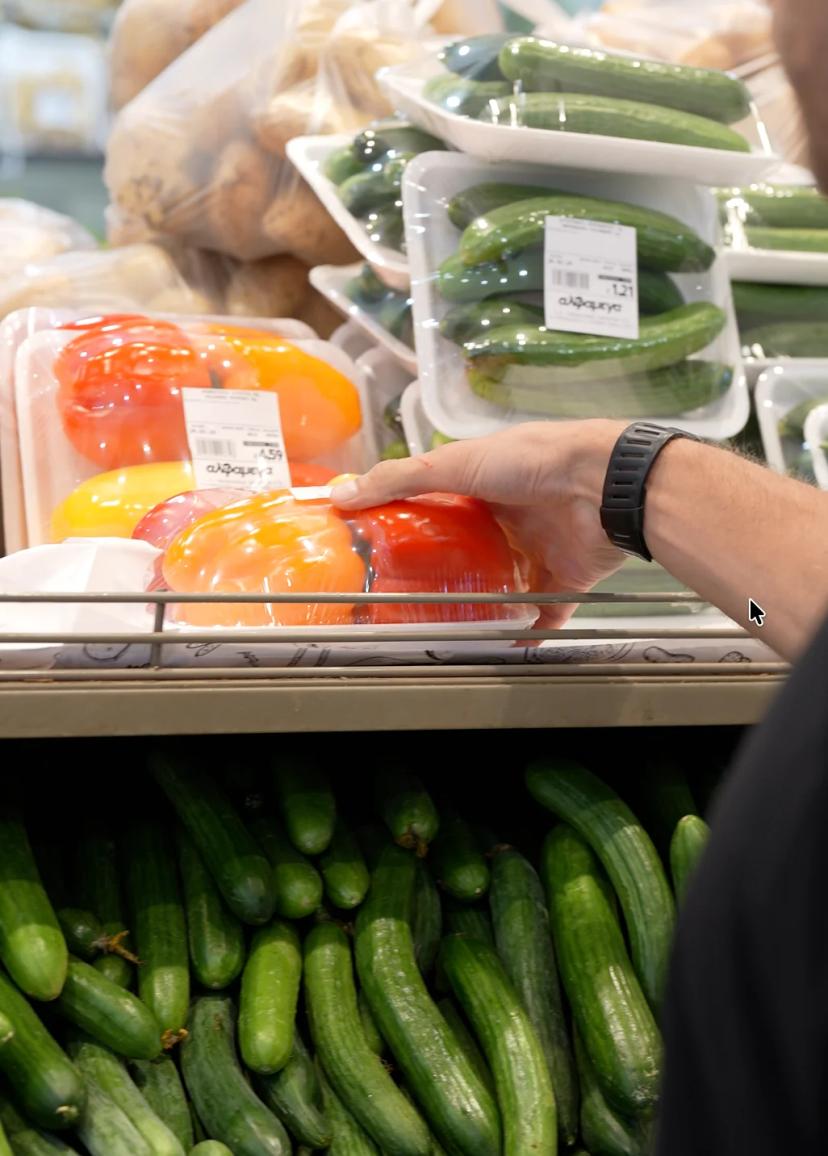
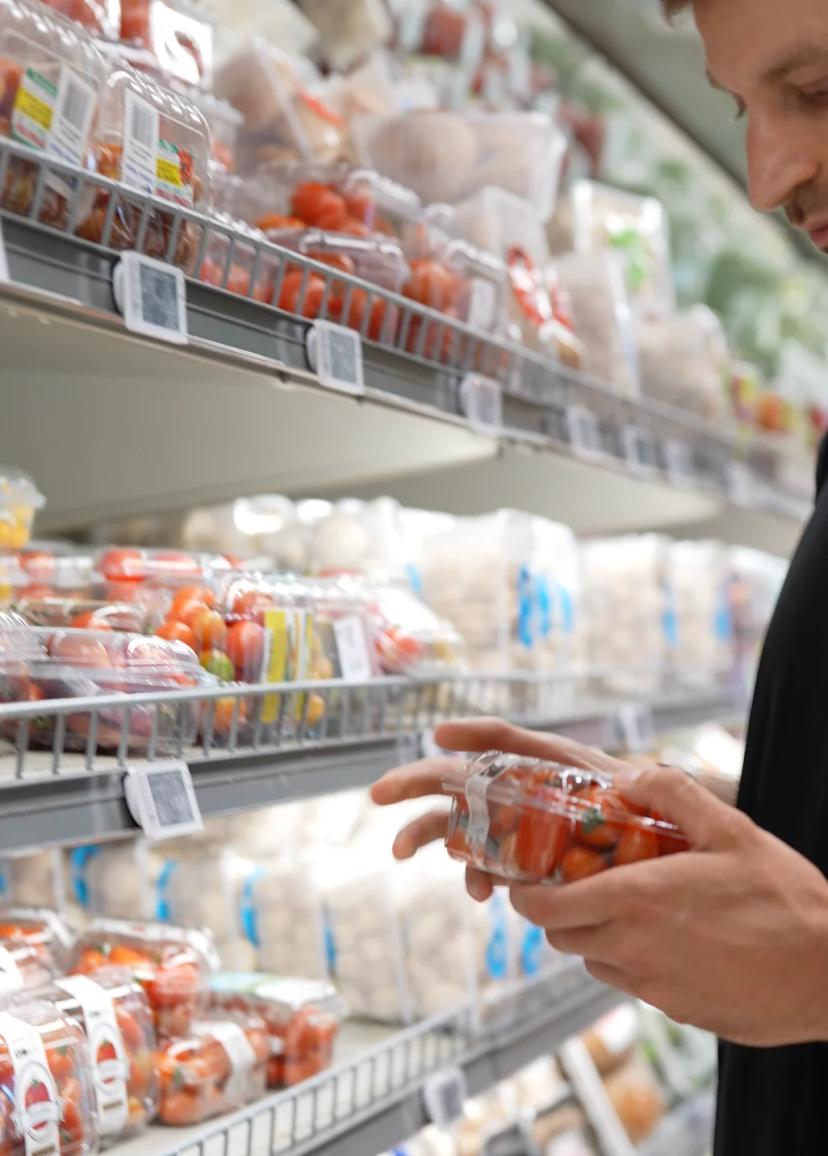
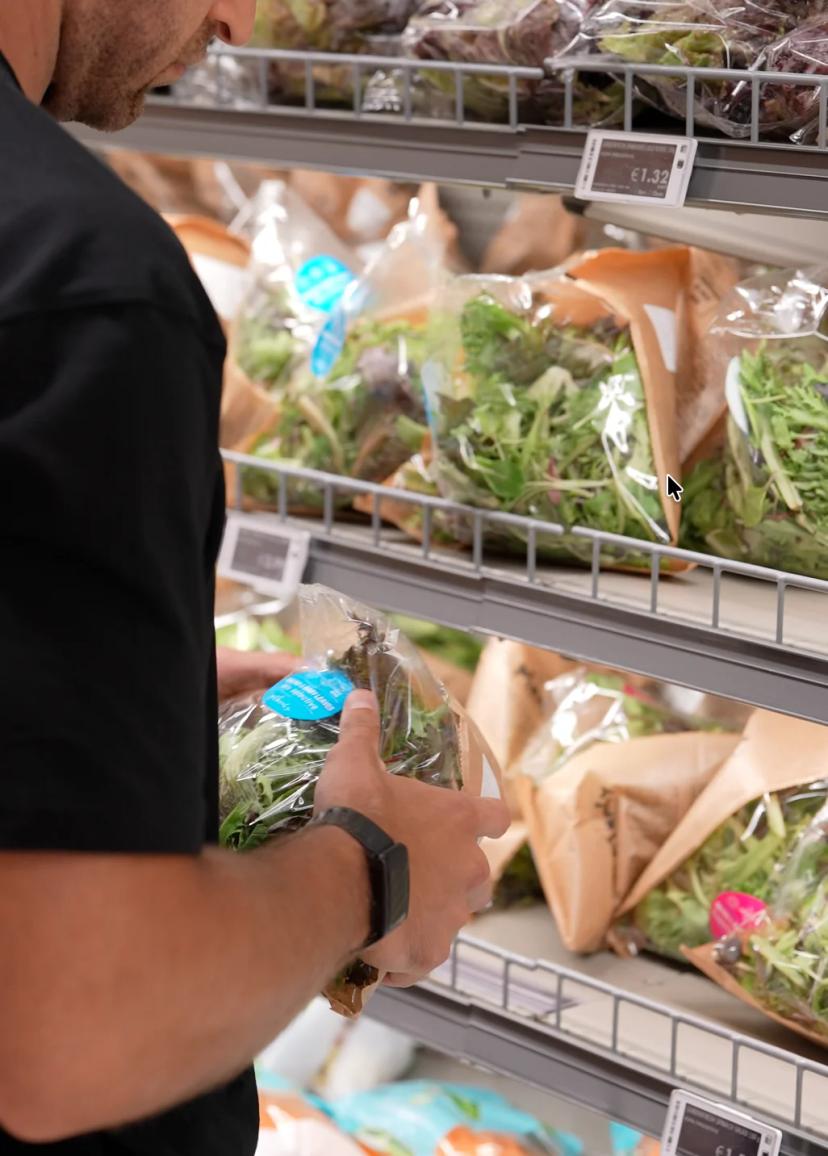
Mixed Bell Peppers (~€2.49), Cherry Tomatoes (~€1.79), Mixed Salad Leaves (~€2.29)
These three together cost under €7 and add colour, volume, and micronutrients to virtually every meal. Their primary value in a cutting context is caloric dilution — filling a significant amount of plate space and stomach volume for almost no caloric impact.
A large handful of salad leaves: 15-20 kcal. A cup of cherry tomatoes: 30 kcal. Three bell peppers across a week of meals: roughly 120 kcal total. These are essentially free foods in a calorie budget.
They also provide: Vitamin C, folate, potassium, fibre, and antioxidants — all of which matter for recovery, immunity, and general health during a calorie deficit.
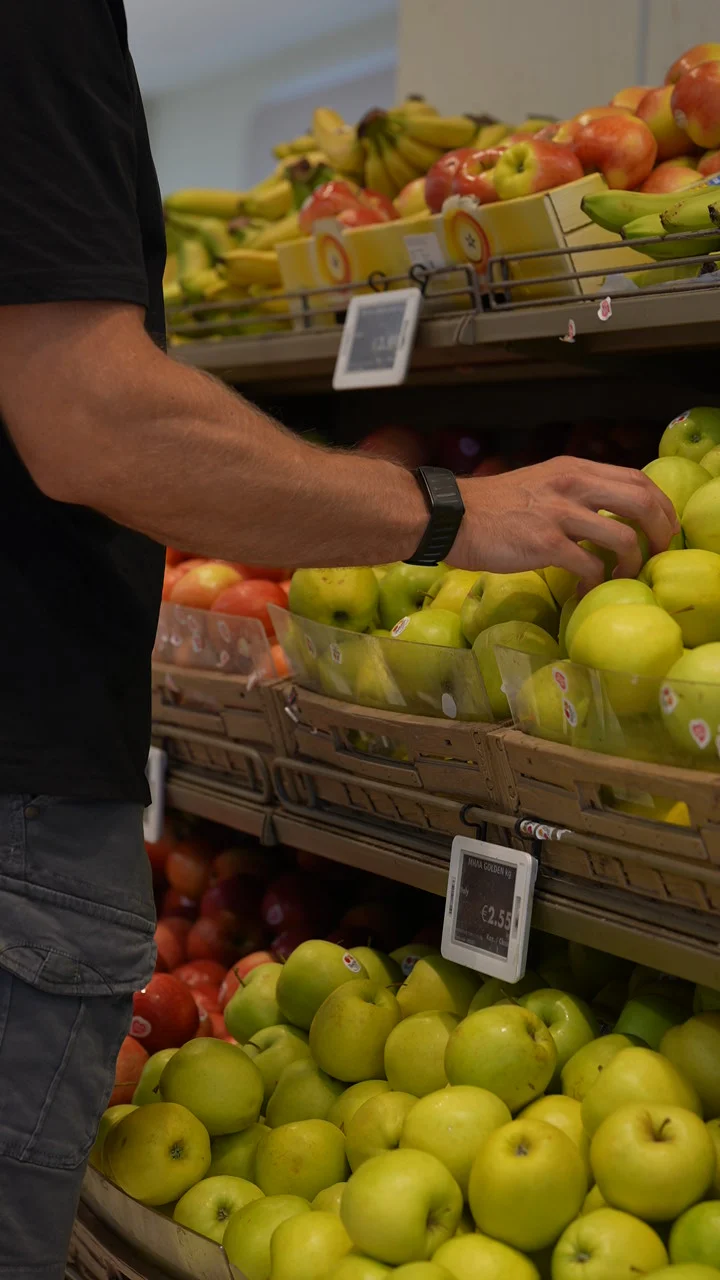
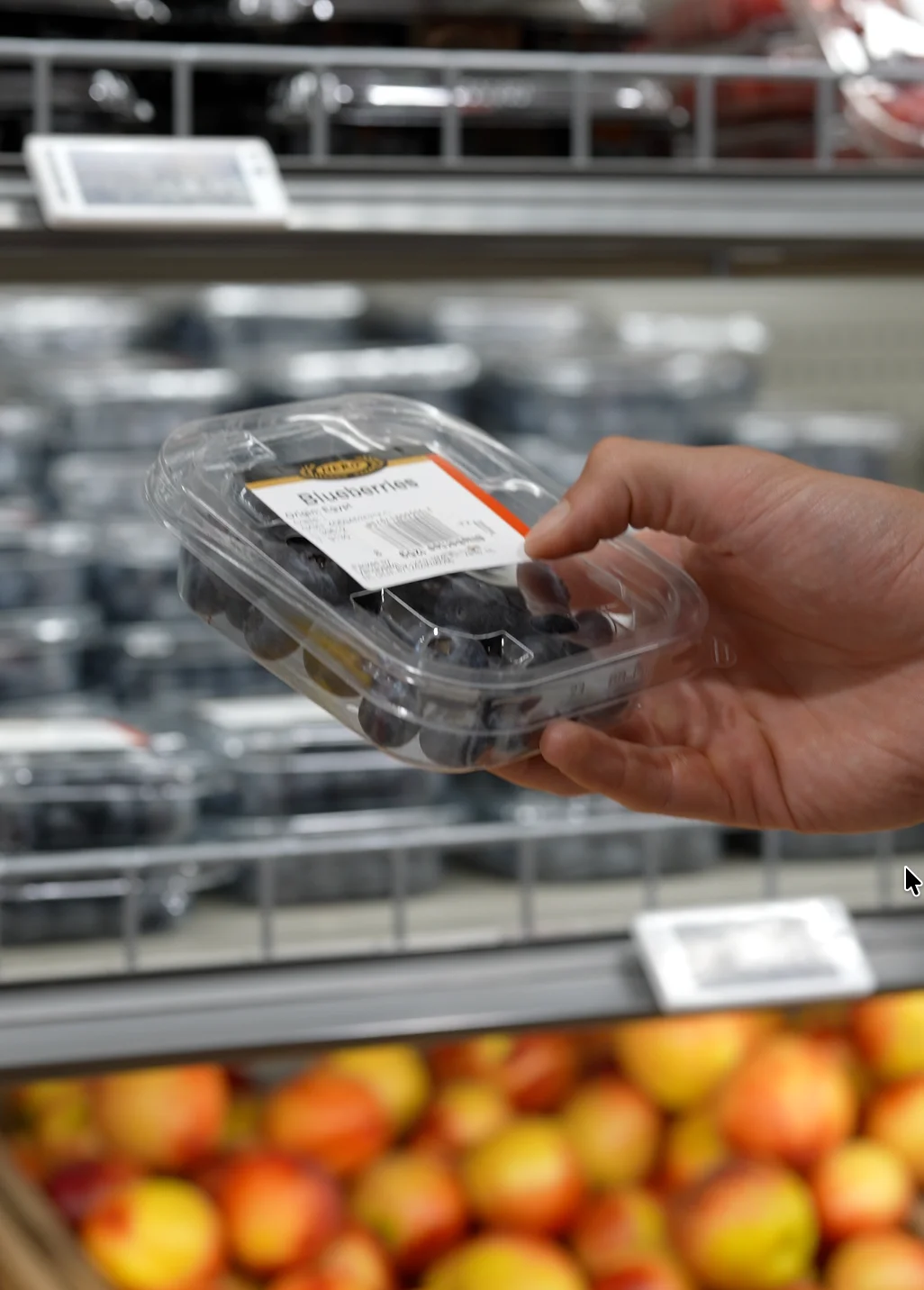
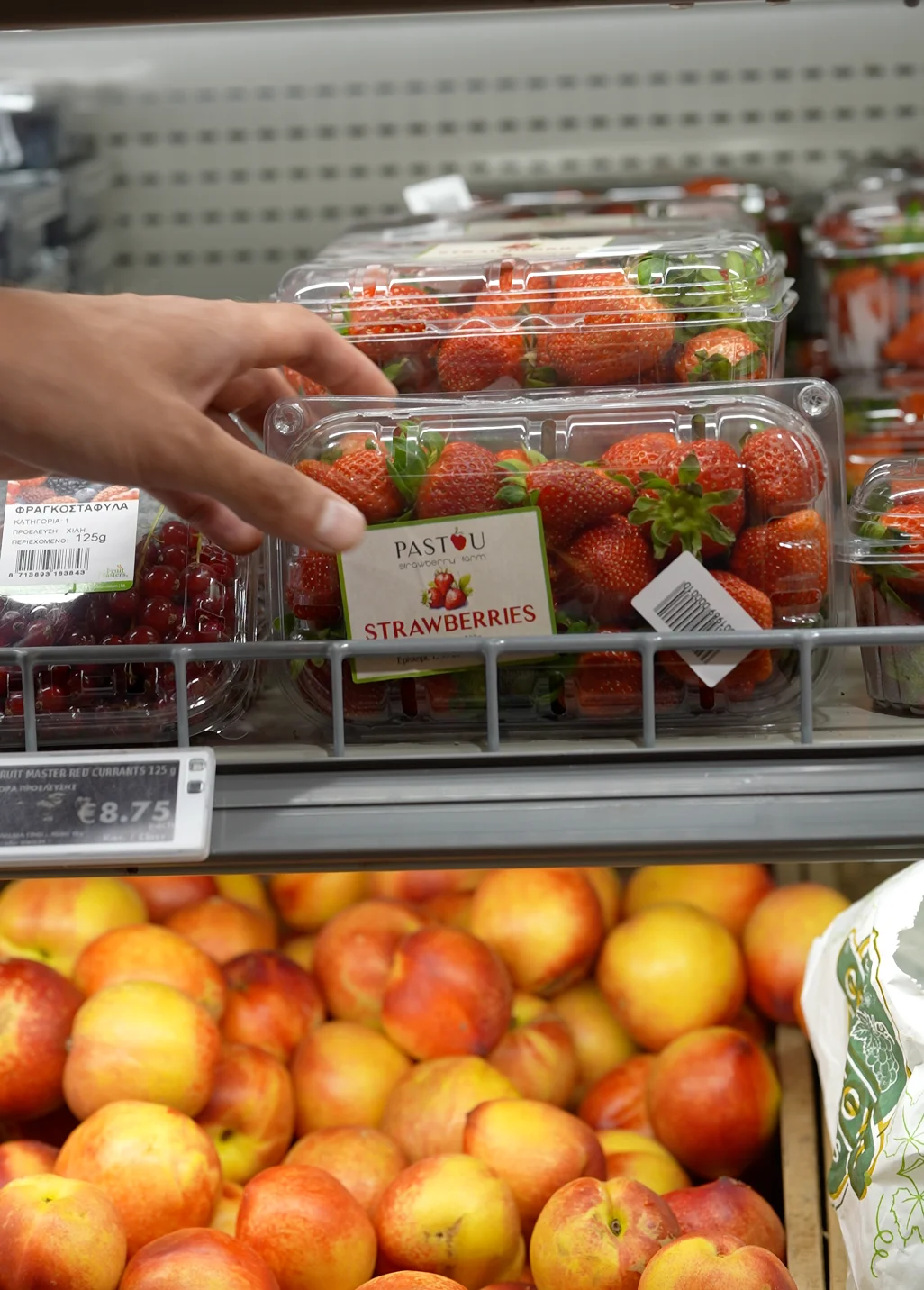
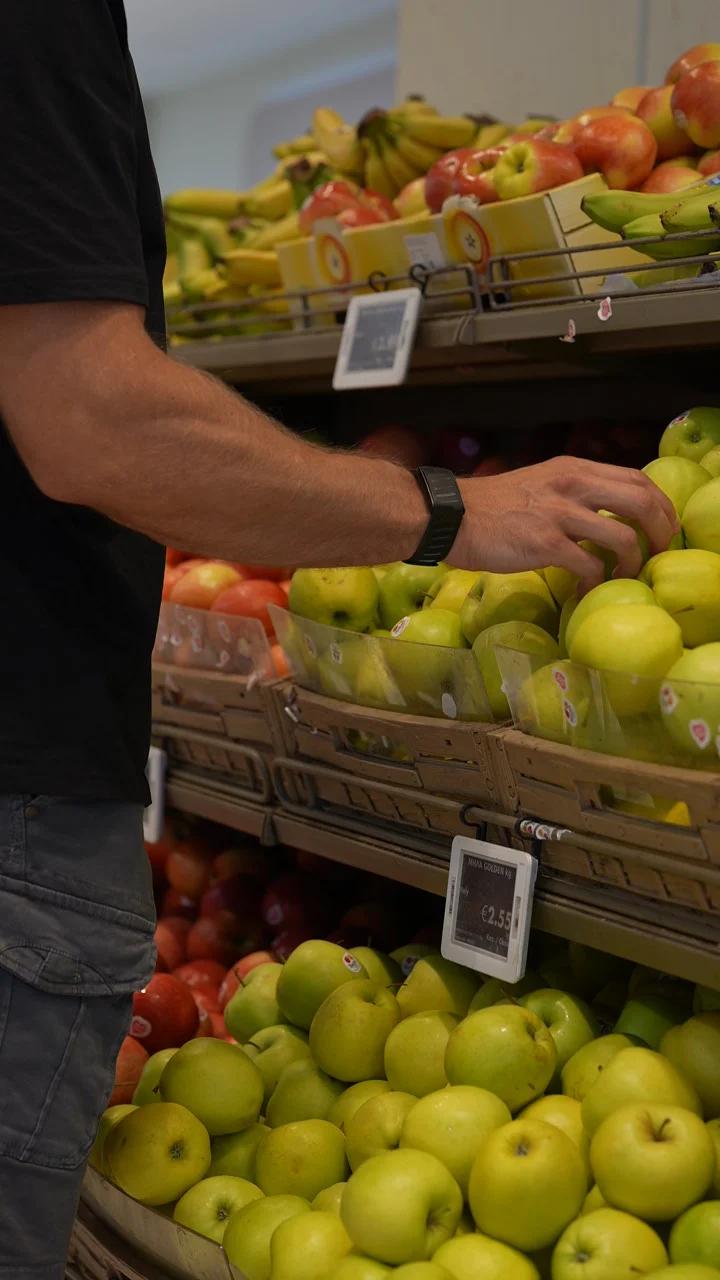
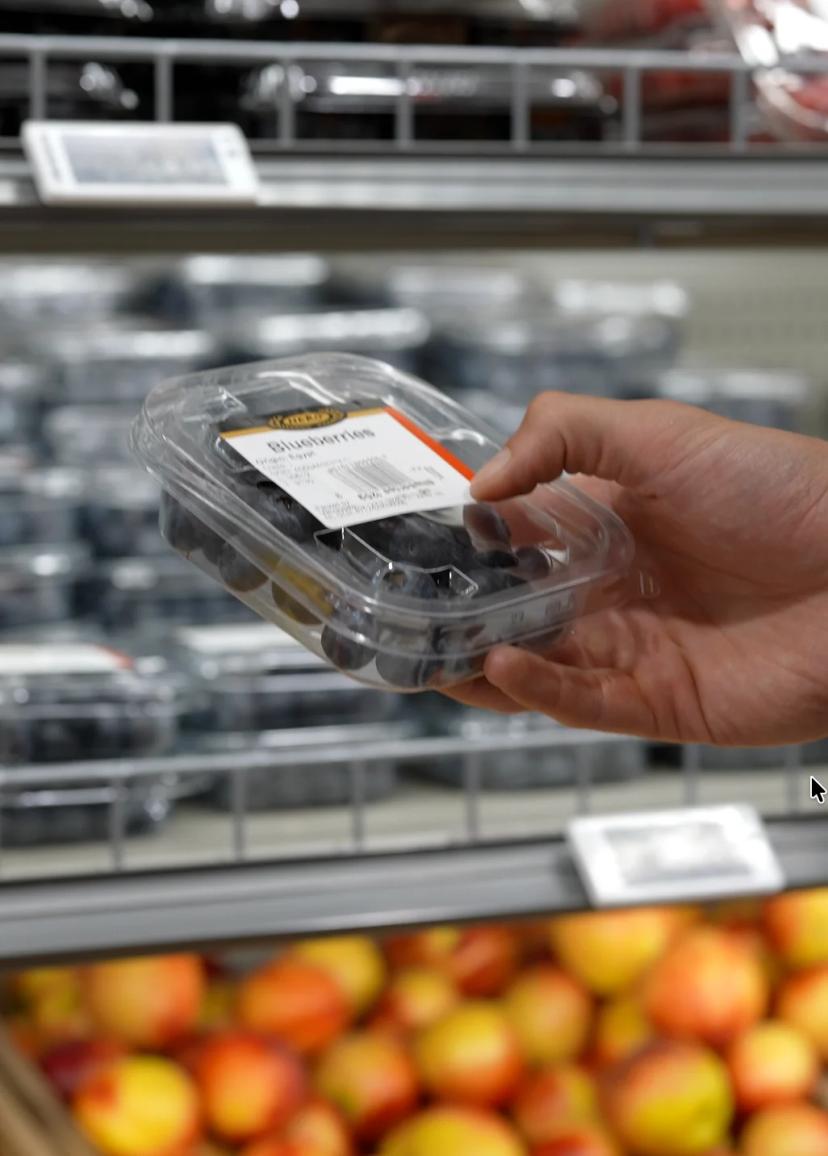
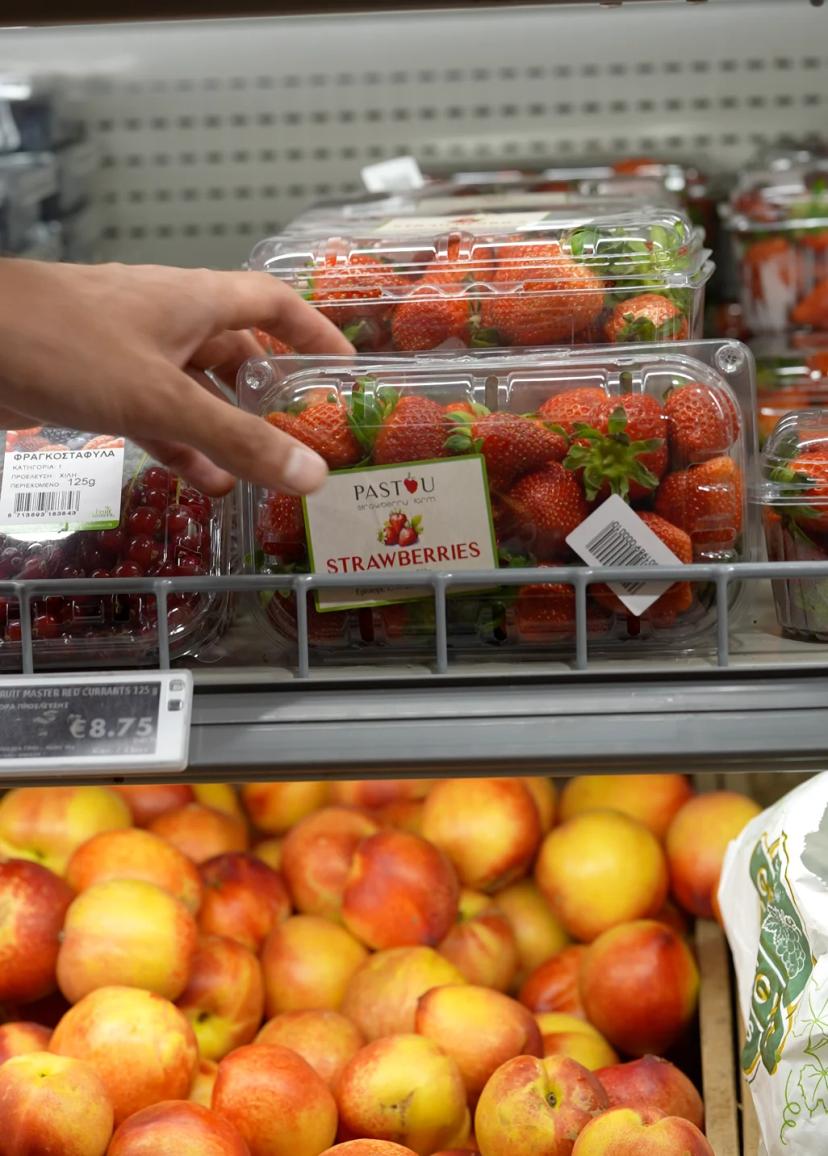
Strawberries (~€2.49), Blueberries (~€2.29), Green Grapes (~€2.49), Green Apples (~€1.79)
Fresh fruit for snacking and for the overnight oats. Berries in particular are outstanding in a cutting diet — high water content, high fibre, low sugar relative to other fruit, and rich in antioxidants. A 100g serving of strawberries is only 32 kcal. Blueberries are 57 kcal per 100g.
Green apples are slightly more calorie-dense but high in fibre and useful as a portable snack that requires no refrigeration.
Tip: Buy seasonal fruit where possible. In summer in Cyprus, strawberries and grapes are at their cheapest and best quality. Out of season, swap to frozen berries — same nutritional profile, lower cost.
Lemons (~€1.29)
An underrated cutting ingredient. Fresh lemon juice over food adds flavour complexity that makes plain meals interesting without adding a single calorie. Squeeze over chicken, tuna, salads, or cottage cheese. Buy a 4-pack and work through them across the week.
Frozen Broccoli, 600g (~€2.49) and Frozen Raspberries, 300g (~€2.99)
Frozen vegetables and fruit are nutritionally equivalent to fresh — they are frozen at peak ripeness, meaning the vitamin content is well-preserved. They are also cheaper than fresh and last weeks rather than days.
Frozen broccoli is the easiest vegetable to batch cook: boil directly from frozen in 5 minutes, no prep required. Perfect for the meal prep session in Episode 7.
Frozen raspberries are the key ingredient in the protein ice cream hack in Episode 6 — blended with cottage cheese and protein powder for a thick, pink, surprisingly good dessert.
🫙 Category 5 — Condiments and Sauces
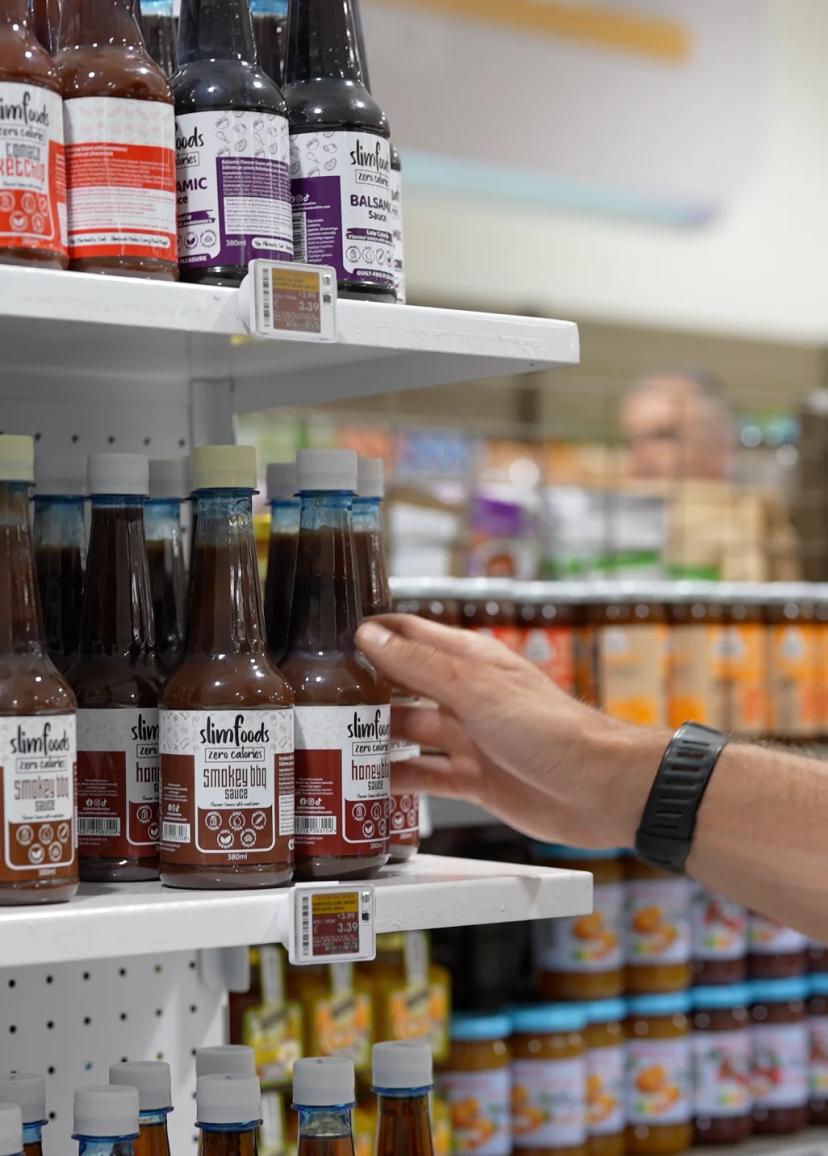
Zero-Calorie Honey BBQ Sauce (~€4.49)
The ingredient that transforms plain chicken breast into something you actually want to eat. Zero calories, zero fat, zero sugar — the flavour is entirely artificial sweeteners and natural flavouring, but the result is a genuinely good-tasting sauce that coats food well. Featured in Episode 6 as Hack 3 and used throughout Episodes 7, 8 as the primary sauce variation for chicken.
This is one of the highest ROI purchases in the trolley — a €4.49 bottle lasts several weeks and makes a significant difference to dietary consistency. When food tastes better, you are less likely to go off-plan.
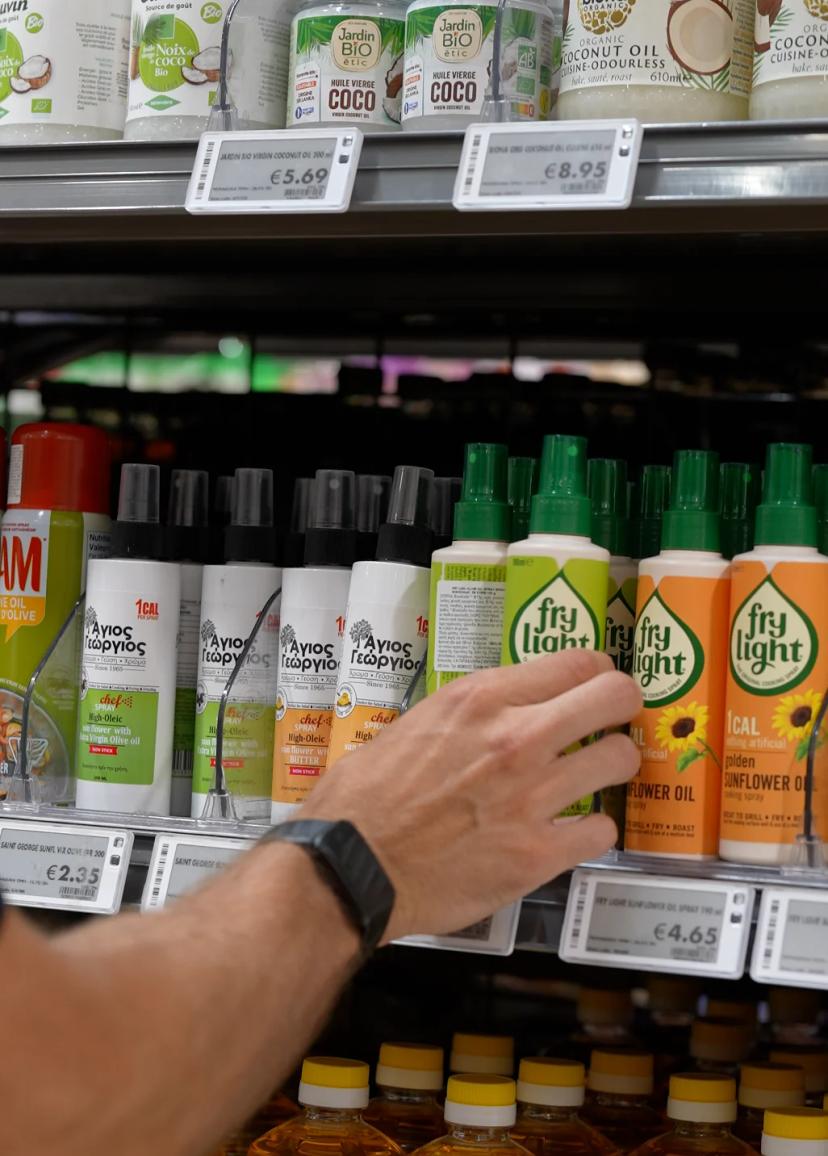
Zero-Calorie Cooking Spray (~€3.99)
Replaces cooking oil for pan frying and roasting. A light coating for a full tray of vegetables or chicken is roughly 3-5 kcal versus 100-200 kcal from a regular pour of olive oil. If you use it consistently every day, this one swap saves approximately 300-500 kcal per week.
🍫 Category 6 — Snacks and Drinks
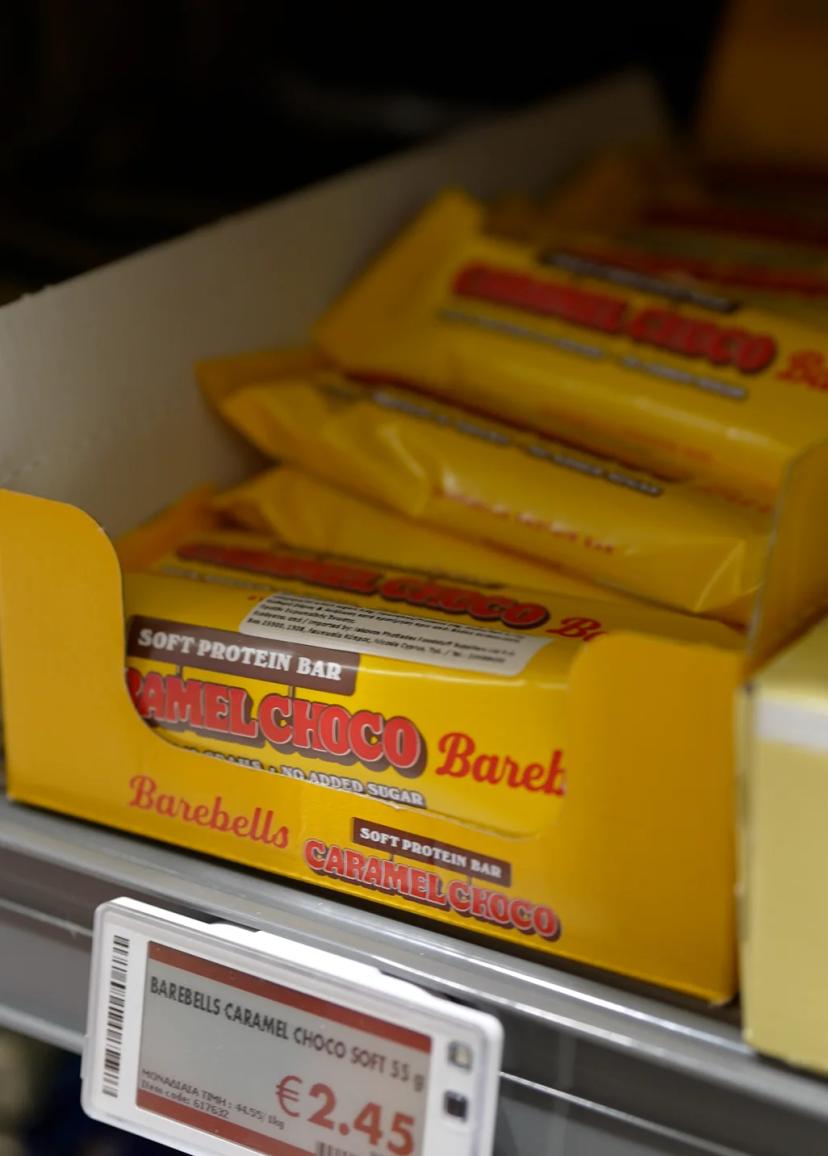
Barebells Protein Bars, x4 (~€1.99-2.25 each, ~€8-9 total)
20g of protein per bar, approximately 200 kcal. The most convenient emergency snack in the system — portable, no refrigeration, tastes genuinely good. Featured in the 2000 kcal men's plan (Episode 8) as the afternoon snack. Not a daily food, but an essential buffer for situations where a real meal is not possible.
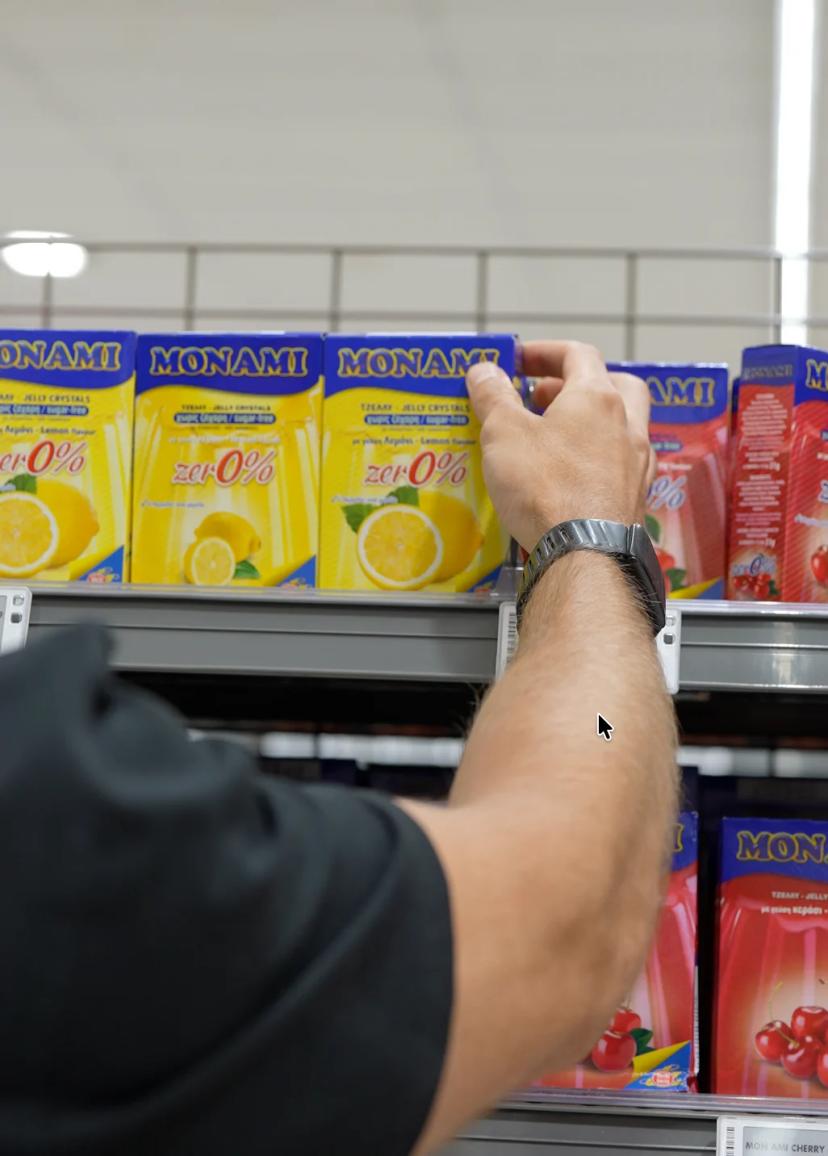
Mon Ami Zero-Sugar Jelly Powder, x2 (~€1.35 each, ~€2.70 total)
Each sachet makes a full portion of jelly for approximately 40 kcal. Handles sweet cravings with almost zero caloric impact. Make a batch the night before and it sets in the fridge overnight — instant dessert for the following day. Featured in Episode 6 as Hack 6 and appears in Episode 7 as one of the weekly snacks.
Almond Butter or Peanut Butter, 250g (~€4.99)
Approximately 25g fat, 7g protein, 200 kcal per 30g serving. A calorie-dense food that earns its place because of satiety — a small amount keeps hunger at bay for a long time. Used in rice cakes as a snack or in overnight oats for added richness.
Important: Log this accurately. It is very easy to eat 60-80g of nut butter without noticing, which is 400+ kcal from what felt like a quick snack. Weigh it every time.
Stevia Dark Chocolate (~€2.99)
A square or two (10-15g) is approximately 60-80 kcal. The chocolate bark recipe in Episode 6 uses dark chocolate as its base — melted with protein powder and frozen raspberries pressed in. Stevia-sweetened versions have a slightly different flavour from regular dark chocolate but avoid the extra sugar, which matters when calories are tight.
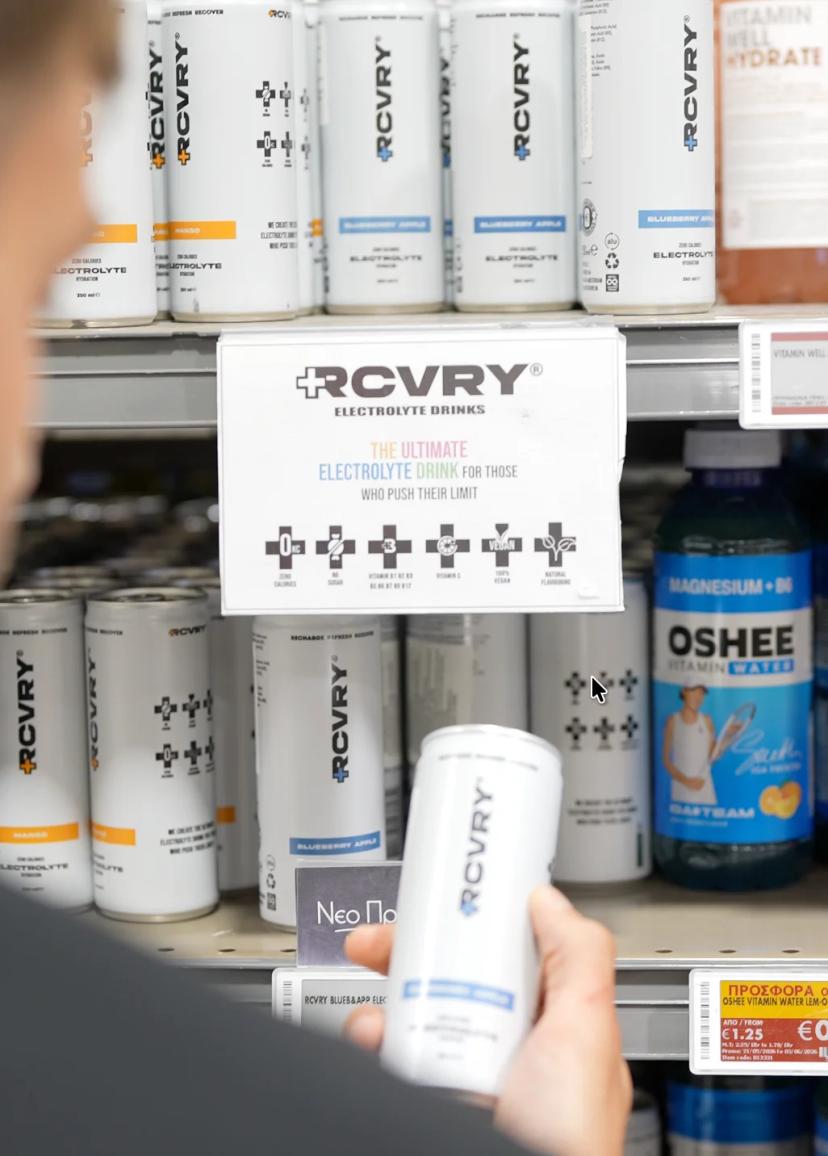
RCVRY Electrolytes — Alpha Mega Own Brand (~€3.99)
Hydration and electrolyte balance matter more during a calorie deficit than most people realise. When you reduce carbohydrate intake, the body releases more water and alongside it, electrolytes — particularly sodium and potassium. This can cause fatigue, headaches, and reduced training performance that people mistakenly attribute to "not eating enough."
One RCVRY sachet during or after training replaces what is lost without adding significant calories.
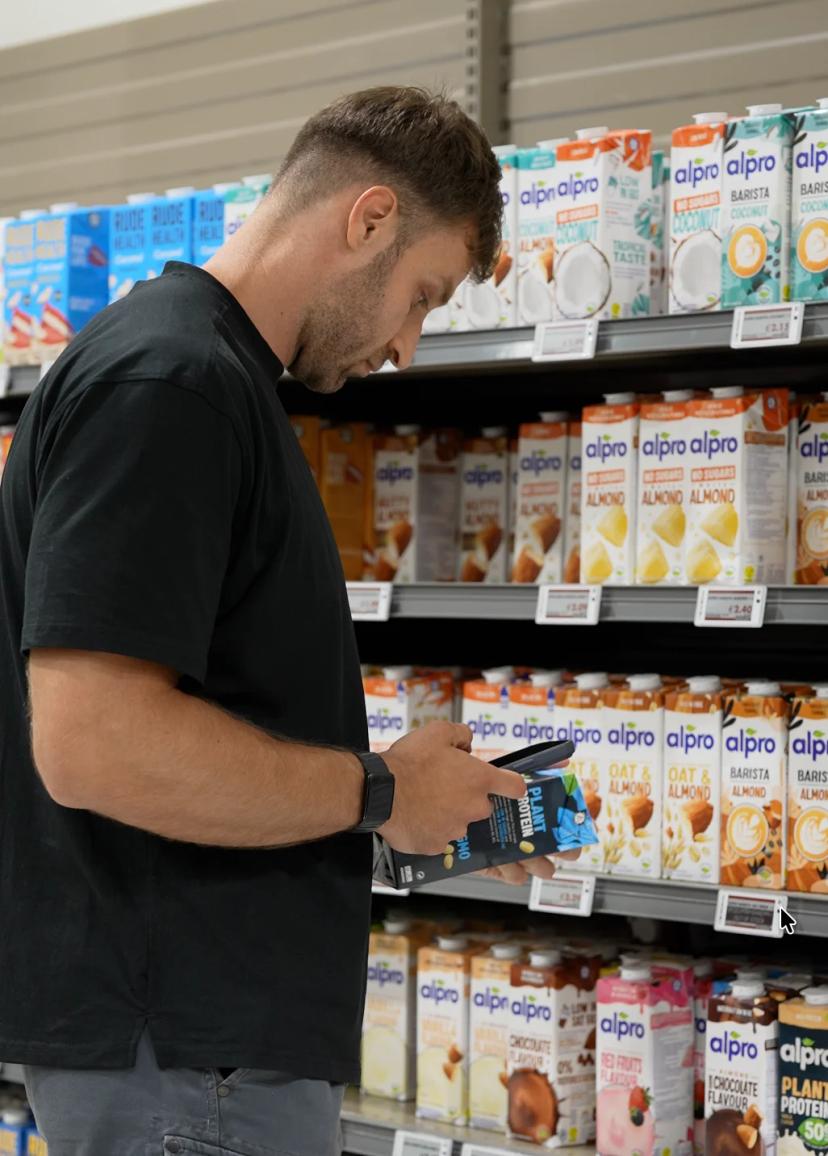
Protein/Soy Milk, 1L (~€2.49) and Perrier Sparkling Water (~€3.49)
Soy milk is used in overnight oats and as a liquid base for protein shakes — it contains significantly more protein than standard plant milk (approximately 3-4g per 100ml). Perrier provides the carbonation fix that makes a zero-calorie alternative to soft drinks feel like a treat rather than a sacrifice.
Prices are estimates based on Alpha Mega Cyprus pricing as of mid-2026. Some items such as oats, rice, condiments, and cooking spray are pantry items that last 2-4 weeks — the effective weekly cost once these are already stocked is closer to €65-75.
The Price Breakdown
Here is the full weekly shopping list with estimated prices from Alpha Mega:
What This Actually Costs Per Day
Total weekly shop: approximately €100 Effective daily food cost: €14-15
For comparison:
- One café lunch in Limassol: €8-12
- One souvlaki meal: €5-8
- One speciality coffee: €4-5
A full day of structured cutting nutrition — five meals, macros tracked, high protein — costs roughly the same as one café lunch and one coffee. The perception that eating healthy is expensive dissolves very quickly when you run the actual numbers.
5 Smart Shopping Tips
- Check the Alpha Mega weekly offers before you shop. The Alpha Mega app and website update offers weekly. Chicken breast, protein products, and dairy are regularly discounted. Buying protein on offer and freezing it can cut the weekly bill by €10-15.
- Frozen vegetables are not a compromise. Frozen broccoli, frozen raspberries, and frozen mixed vegetables are nutritionally equivalent to fresh. They are cheaper, last longer, and reduce food waste. Use frozen freely.
- Buy in bulk where it makes sense. Oats, rice, cooking spray, and BBQ sauce do not expire quickly. Buying larger quantities costs less per unit and reduces how often you need to restock pantry items.
- Use the DietSync app in the supermarket. Before you add a new product to the trolley, scan its barcode in the DietSync Fitness App to check the macros immediately. This is particularly useful for comparing similar products — for example, two different brands of yoghurt where one has 21g protein per 200g and another has 9g. One scan tells you everything you need to know.
- Do not skip the zero-calorie sauces. The BBQ sauce and cooking spray may seem like small additions, but they are the difference between a diet you can sustain and one you cannot. Food that tastes good is food you keep eating. Invest in the flavour.
What Comes Next
Every item in this trolley appears in at least one of the following four episodes:
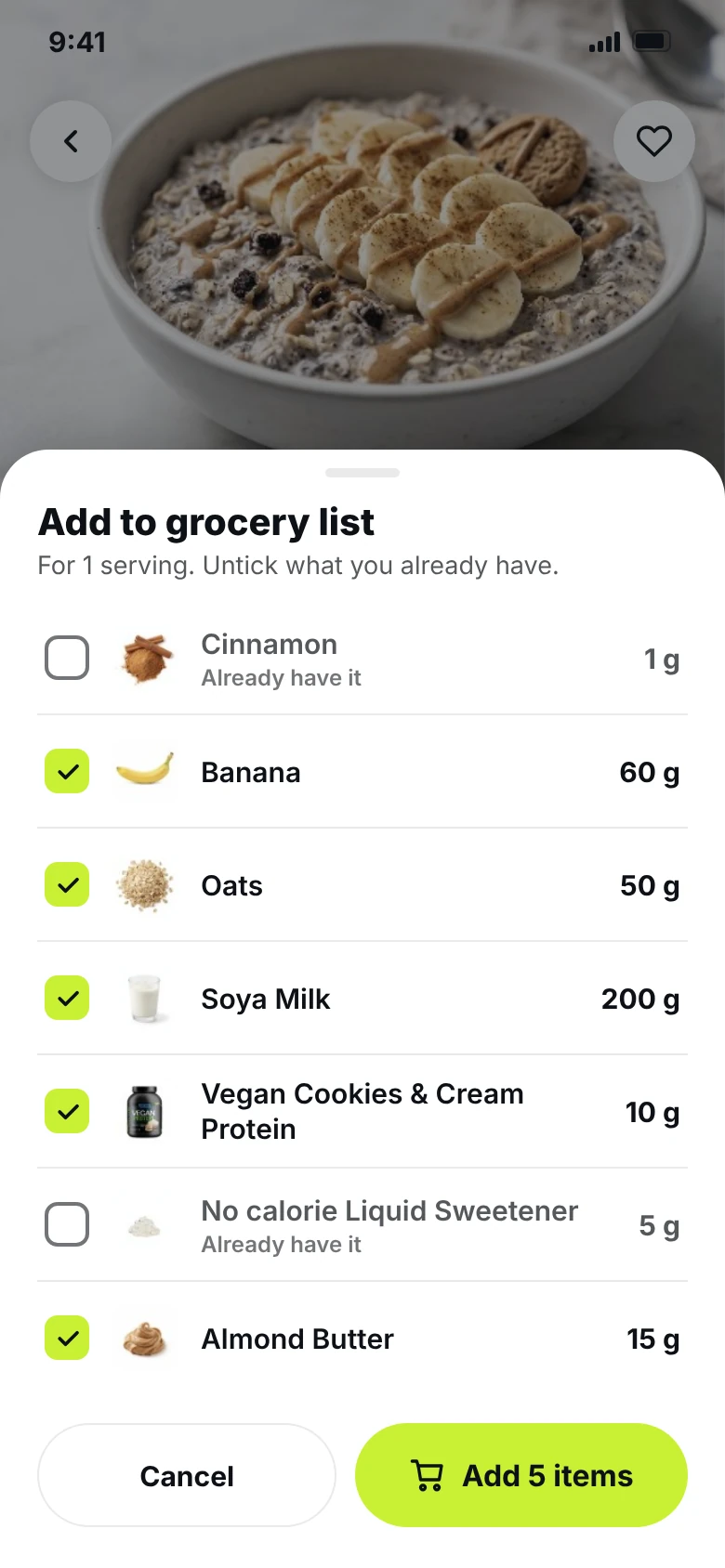
- Add a recipe’s ingredients to your grocery list
- Untick what you already have
- 250+ recipes with full macros, in Greek and English
- Episode 6: 10 cutting hacks made entirely from these ingredients
- Episode 7: Full meal prep session — 90 minutes, everything for the week
- Episode 8: Full day of eating 2,000 kcal for men — using the meal prep containers
- Episode 9: Full day of eating 1,400 kcal for women — same foods, different portions
You shop once. You eat well all week. That is the system.
To maximize your results from this shopping list, you can track your macros with the DietSync app or explore our healthy recipe collection for creative ways to cook these ingredients.
QUESTIONS
Frequently asked questions
What should I buy at the supermarket when cutting?
Lean proteins (chicken breast, burgers, eggs and egg whites, tuna), high-protein dairy (cottage cheese, 0% Greek yoghurt, protein puddings), simple carbs (oats, rice, potatoes, rice cakes), lots of fresh and frozen vegetables and fruit, zero-calorie sauces and a few high-protein snacks.
What are the cheapest protein sources for cutting?
Canned tuna in water (about 35 g of protein for around €1.50 a can), eggs and liquid egg whites, chicken breast and 0% Greek yoghurt.
How much does a week of healthy eating cost in Cyprus?
My weekly shop at Alpha Mega comes to about €100, or €14–15 a day. Pantry items like oats, rice and sauces last 2–4 weeks, so once stocked the weekly cost is closer to €65–75. Prices checked July 2026.
Are frozen vegetables healthy for weight loss?
Yes. Frozen broccoli or berries are just as nutritious as fresh, last for weeks and are the easiest to batch cook: frozen broccoli boils in 5 minutes.
How do I stick to my diet on a budget?
Shop with a list built around protein per calorie, check the weekly offers, buy pantry items in bulk and cook in one weekly meal prep session so nothing goes to waste.