You go to the gym four times a week. You lift the same weights for the same reps. And you wonder why your body isn't changing.
The problem is not how often you train. It is what you do when you are there. For your body to change, you have to do a little more each time than you did the time before. That principle has a name: progressive overload.
In short
- Your body changes when each session asks a little more than the last: one more rep or a little more weight.
- Pick a rep range (for example 8–10). When you hit 10 on every set, add 2–2.5 kg and go back to 8.
- Log every set: memory lies about your lifts just like the eye lies about portions.
- Cardio isn’t required for fat loss; the deficit is. If you add it, 2–3 sessions of 20–40 minutes a week is plenty.
Why Your Body Stops Changing
Your body adapts to exactly the demand you put on it — no more. The first weeks of any programme feel productive because everything is new. After that, if the weights, the reps and the sets stay the same, your muscles have no reason to get stronger or bigger. They have already adapted to that workload.
That is why so many people train consistently for months and still look the same. They are not lazy. They are repeating a session their body solved weeks ago.


What Progressive Overload Actually Means
In simple terms: every time you train, you increase your training volume a little — either with more reps or with more weight. You do not need to add 10kg a week or go to failure on every set. You need to beat last time by a small, measurable amount.
There are two main levers: more reps with the same weight, or more weight for the same reps. Most people alternate between the two.
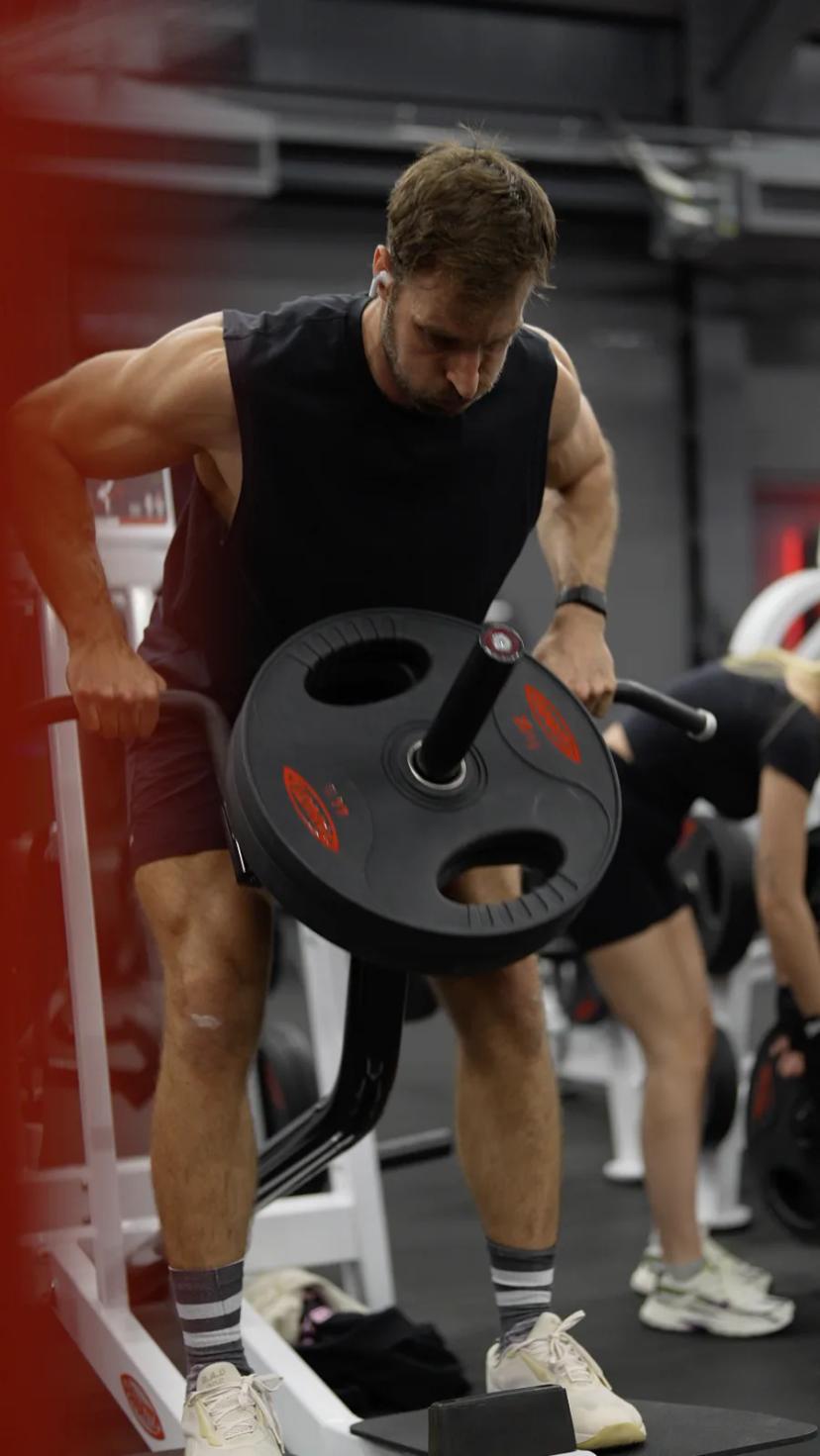

A Real Example — Bench Press
| Session | Weight | Sets × reps | What changed |
|---|---|---|---|
| This week | 60kg | 3 × 8 | Starting point |
| Next week — option A | 60kg | 3 × 9 | +1 rep per set |
| Next week — option B | 62kg | 3 × 8 | +2kg |
The increase can look tiny. One rep. Two kilos. But repeat it week after week and over a few months it adds up to a completely different lift — and a completely different body.
How to Apply It in Your Next Session
A simple method that works for most people is called double progression:
- Pick a rep range for each exercise, for example 8–10 reps.
- Start with a weight you can lift for 8 clean reps on every set.
- Each week, try to add one rep to one or more sets with the same technique.
- When you reach 10 reps on every set, add 2–2.5kg and drop back to 8 reps.
- Write down every set — weight and reps — so you know exactly what to beat next time.
Not every week will be a win, and that is normal, especially in a calorie deficit. Holding your numbers while you are losing fat is a good result too. What matters is the direction over months, not a single session.


Why Logging Your Training Matters
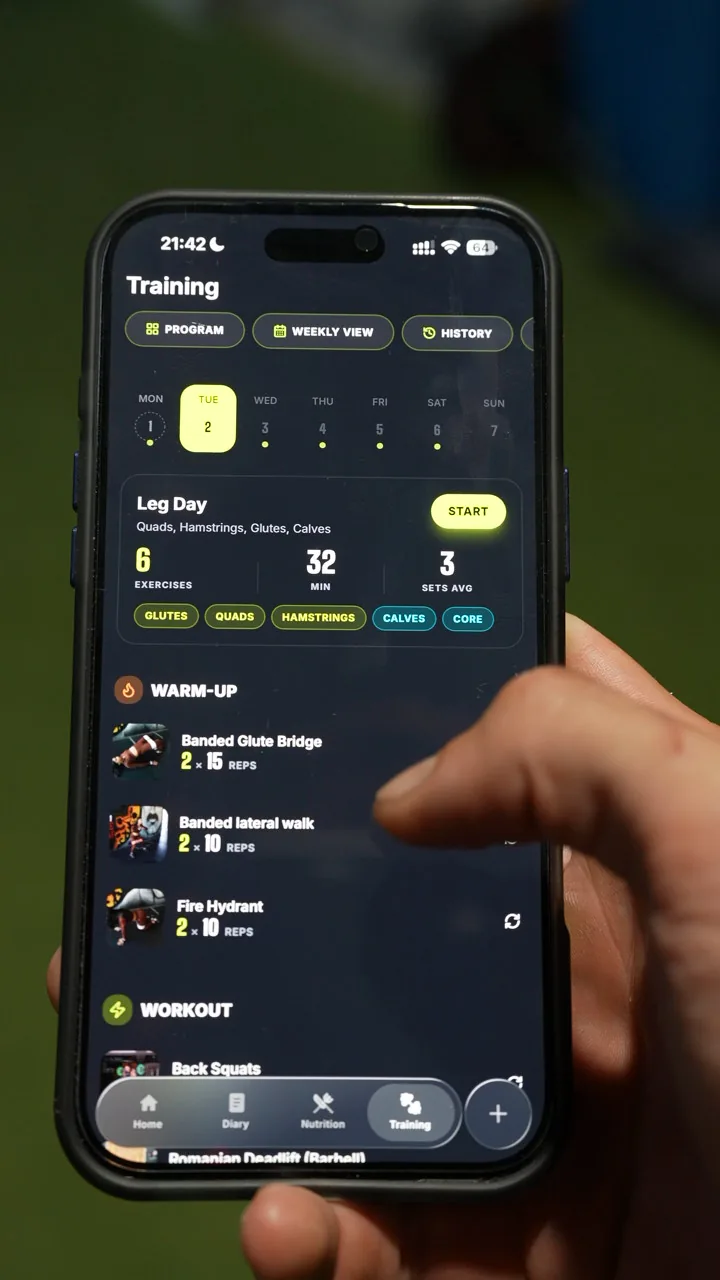
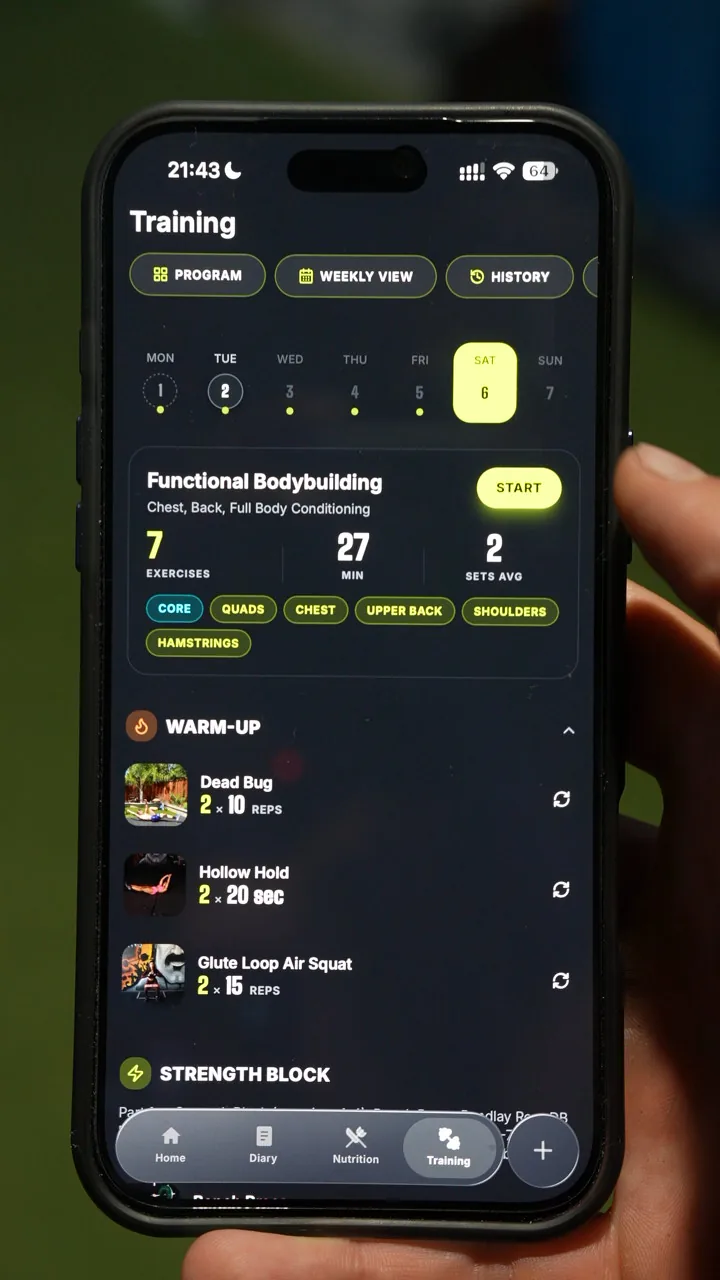
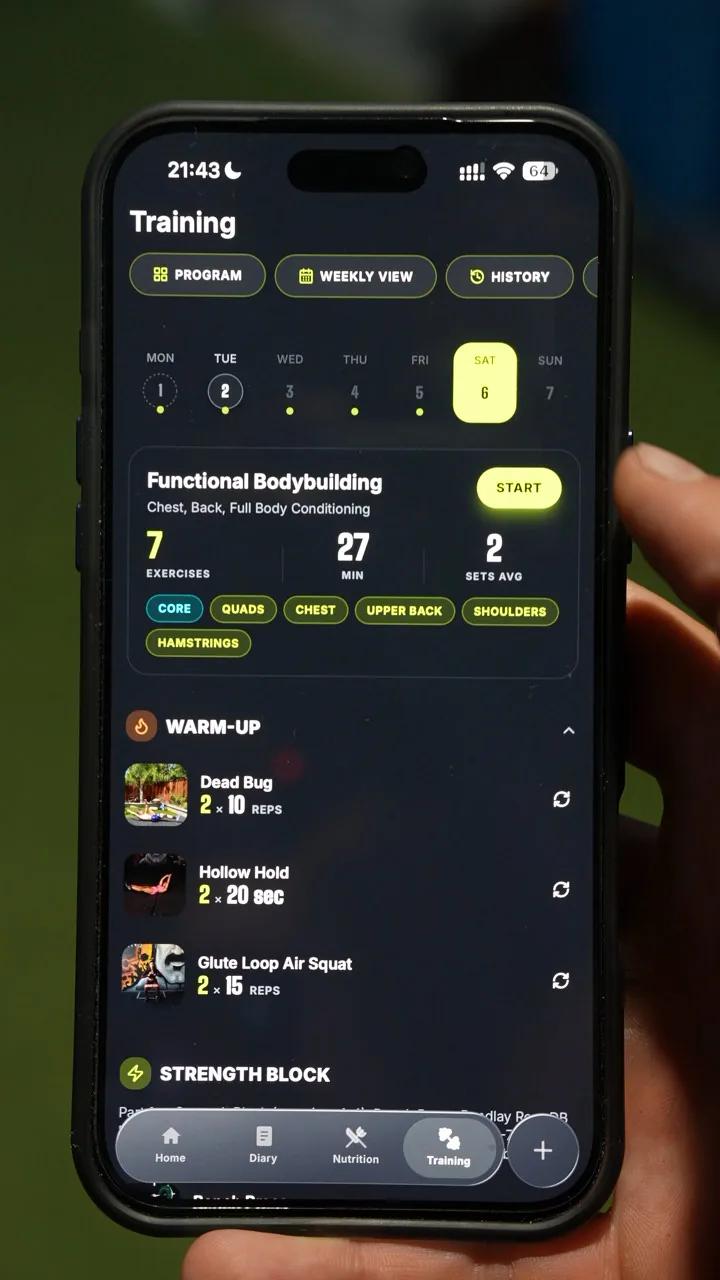
This is why tracking your workouts is essential. Without a log, you cannot remember what you did last week — and if you do not know last week's numbers, you cannot beat them. Most people who stall in the gym are simply guessing.
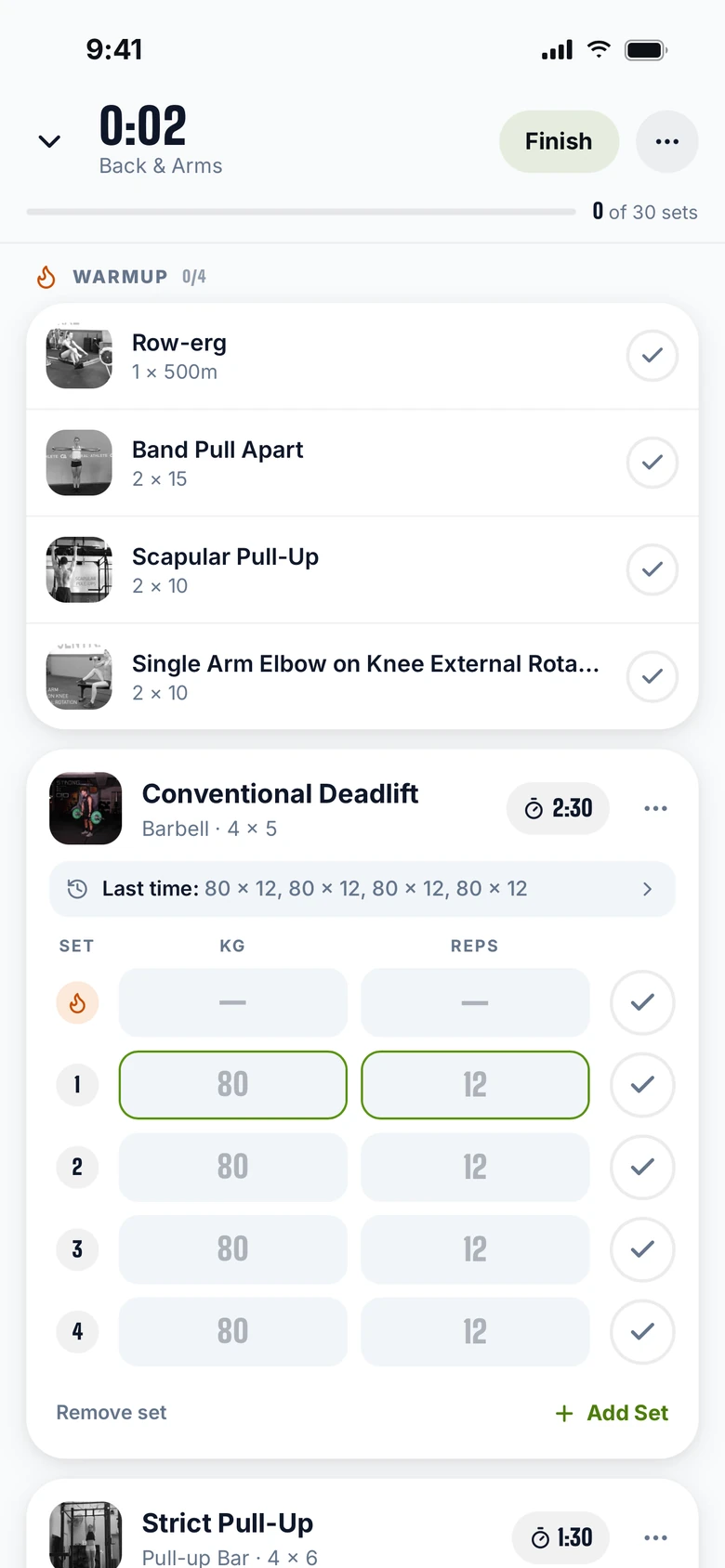
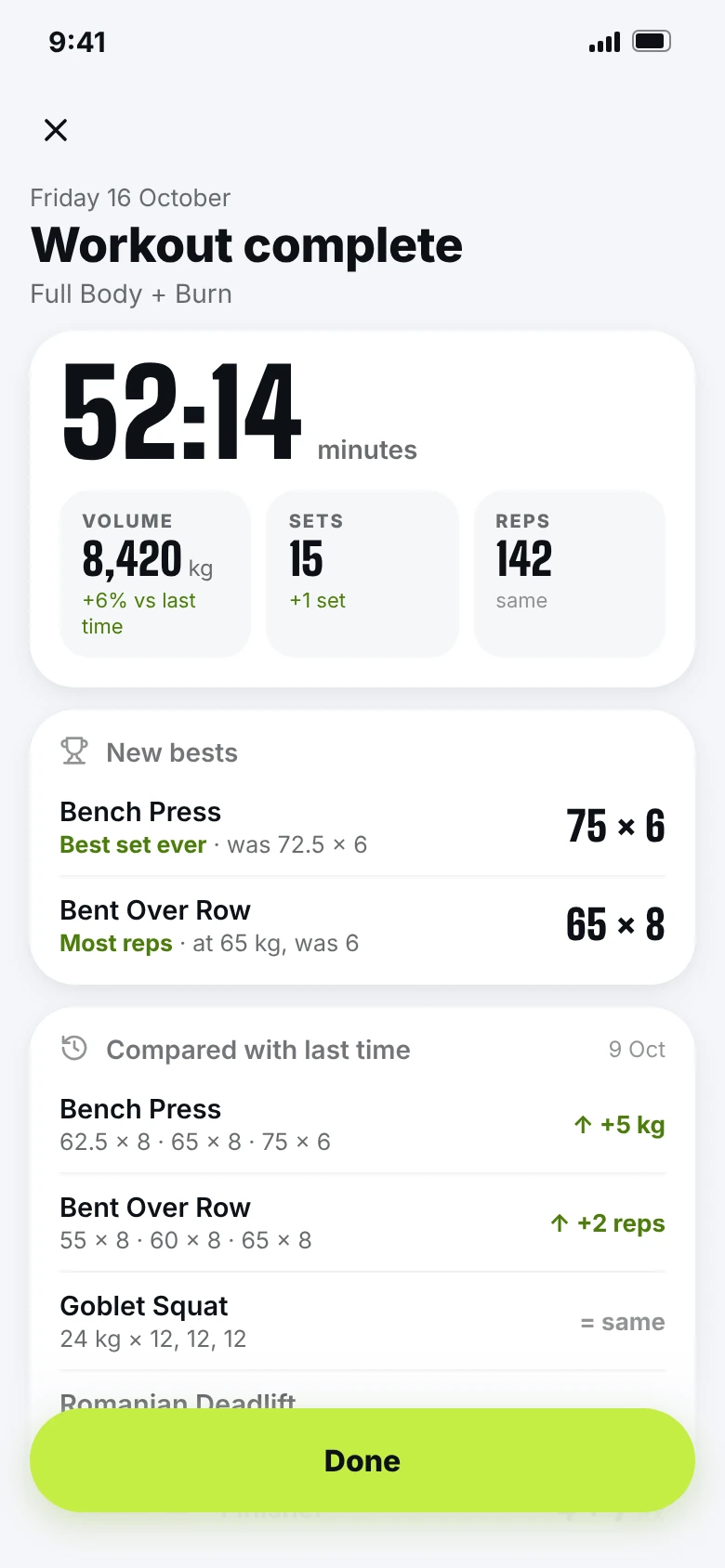
- Last time’s weights and reps in every row
- Tick the set and the rest timer starts
- At the end: volume and reps against last time, and your new bests
It works exactly like food tracking. In Episode 4 we saw that the eye always lies about portions. Memory lies about your lifts in exactly the same way.
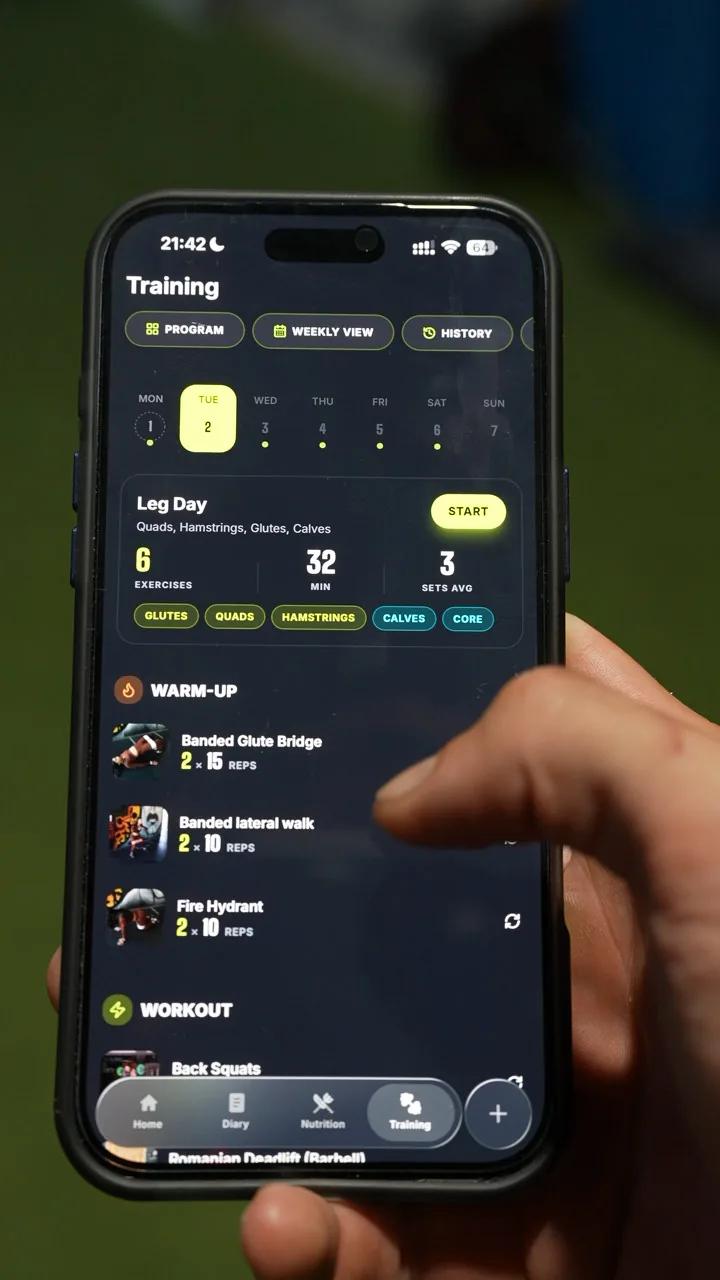
Cardio and Fat Loss — The Big Confusion
Weight training is one piece. The other is cardio — and this is where most of the confusion lives.
Do you need cardio to burn fat? Not necessarily. Cardio simply burns more calories. If you are not in a calorie deficit, no amount of cardio will make you lose fat. Fat loss comes from the deficit, as we covered in Episode 2, and cardio is just one way to make that deficit bigger.
So the choice is simple:
- If you want to eat more, add cardio to your programme — it buys you extra food.
- If you hate it, skip it. Keep your calories where they are and you will still lose fat.
If you do add it, keep it sustainable: two to three sessions a week of 20–40 minutes at low to moderate intensity — an incline walk, cycling, or simply more daily steps. Cardio should support your weight training, not compete with it for recovery.


Track Your Food and Your Training
For the best result, track both what you eat and how you train — at least at the start. Your food log tells you whether you are really in a deficit. Your training log tells you whether you are really progressing. Together they take the guesswork out.
The DietSync Fitness App does both in one place, so your meals and your workouts sit side by side. Download it and see how easy it is.
QUESTIONS
Frequently asked questions
What is progressive overload?
Doing a little more than last time: one more rep per set, or a little more weight for the same reps. It is the signal that makes muscles grow and get stronger.
Why is my body not changing even though I go to the gym?
Usually because you lift the same weights for the same reps every week. Without progressive overload your body has no reason to change; without a calorie deficit, you don’t lose fat.
How fast should I increase the weight in the gym?
Use a rep range such as 8–10. When you can do 10 clean reps on every set, add 2–2.5 kg and go back to 8.
Do I need cardio to lose fat?
No. Fat loss comes from the calorie deficit; cardio just burns more calories. If you add it, 2–3 sessions of 20–40 minutes a week at an easy to moderate pace is enough.
Can I build muscle while losing fat?
Beginners and people coming back to training often can, if protein is high and they keep adding reps or weight. For most people, keeping strength during a cut is already a win.