If you want to lose fat and you don't know where to start, this is the only article you need. It is Episode 14, the final episode of 30 Days to Shred — the whole series condensed into six steps, with a link to the full episode behind each one.
There are no secrets and no shortcuts here. Just the basics, done properly, every day.
In short
- Step 1: set a calorie target 300–500 kcal under your TDEE, with protein at 1.8–2.2 g per kg.
- Steps 2 and 3: track your food strictly for a week, weigh in every morning and judge by your weekly average.
- Steps 4 and 5: shop and meal prep once a week, and train with progressive overload.
- Step 6: supplements come last; creatine and protein powder are the only ones most people need.
Step 1 — Set Your Calories
No calorie deficit, no fat loss. Work out your maintenance calories, subtract up to 500, and that is your target. The most common mistake is choosing the wrong activity level — a desk job plus four gym sessions is lightly active, not very active.
Full method: Episode 2 — How many calories do you need to lose fat? You can also use the calorie calculator.
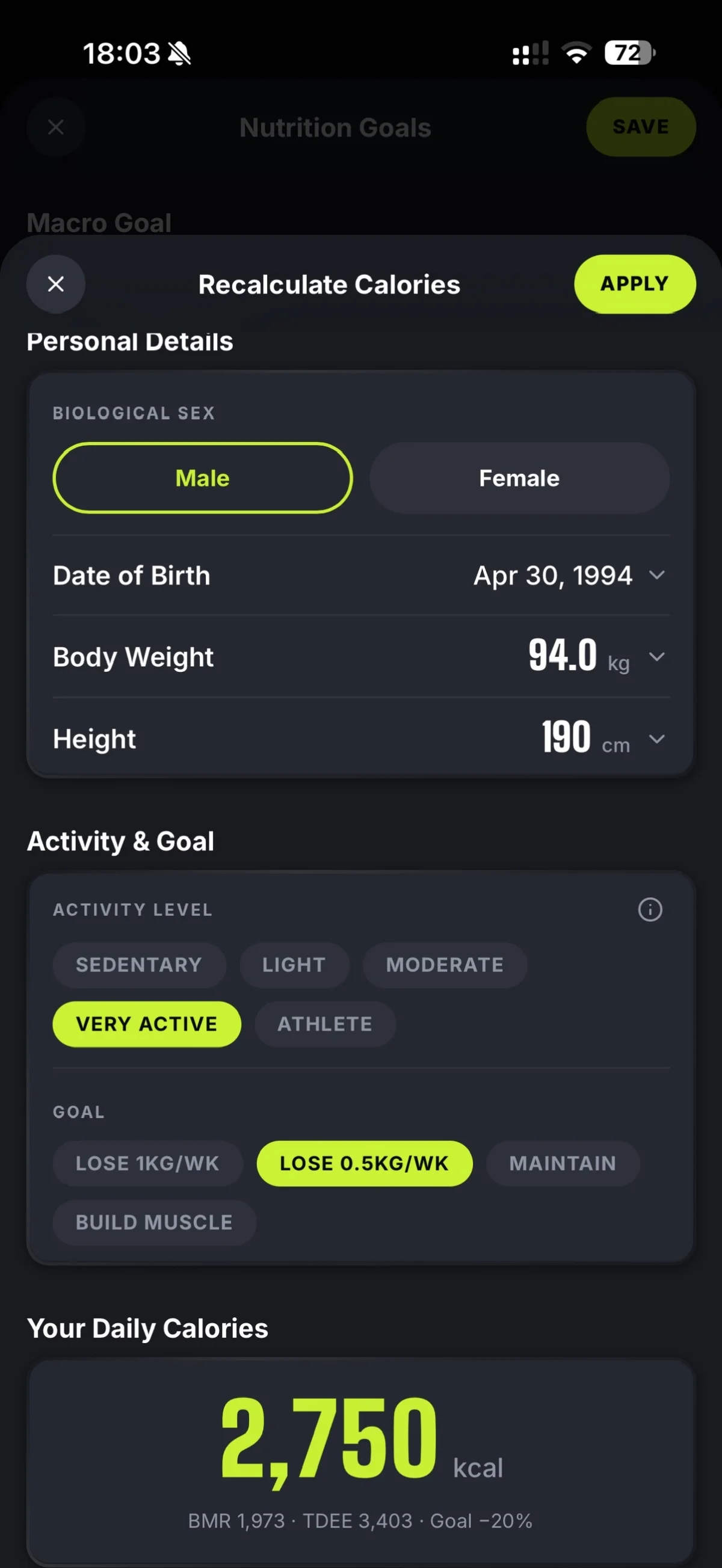
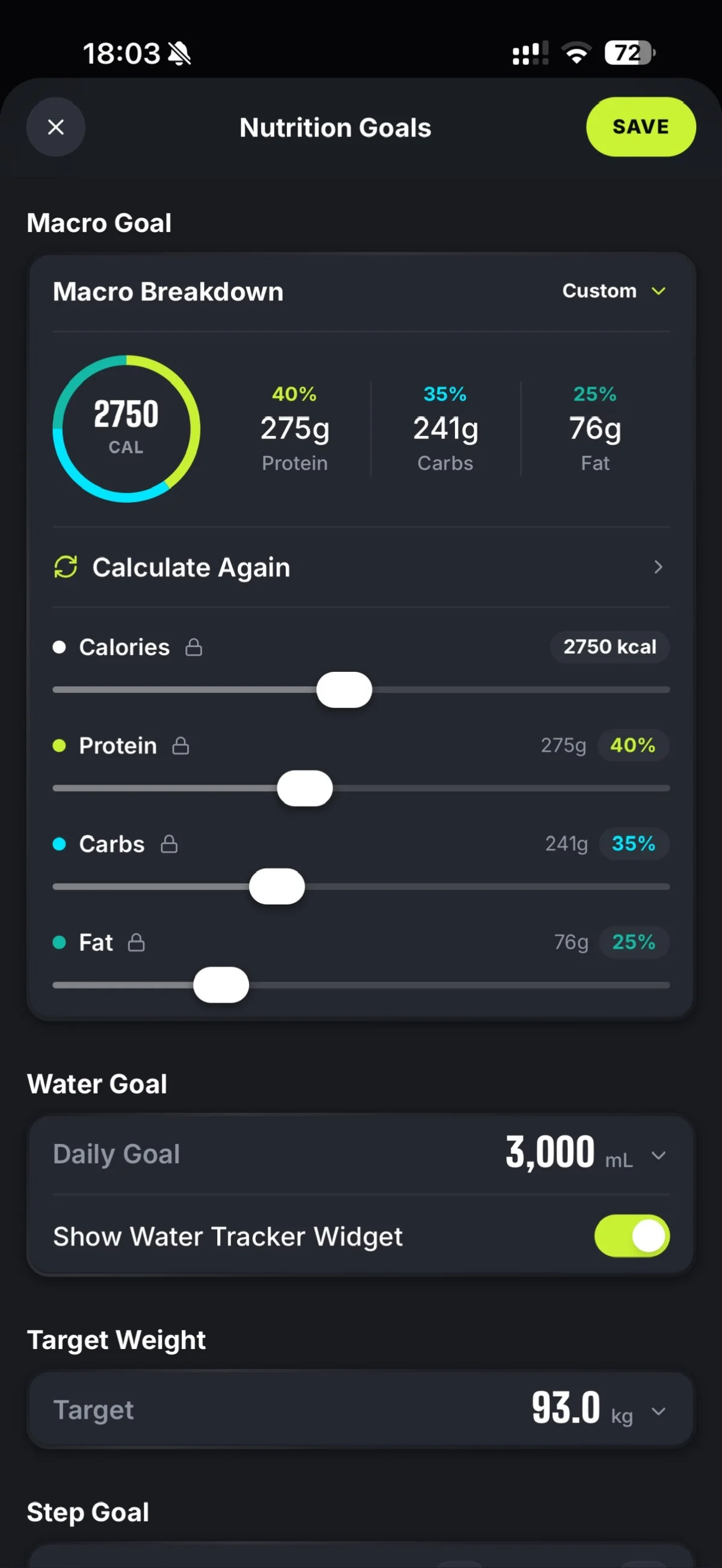
- Enter your weight, height, date of birth, activity level and goal
- Get a daily calorie target with protein, carbs and fat
- Pick your activity level honestly: it changes the number
Step 2 — Track Your Food Strictly for One Week
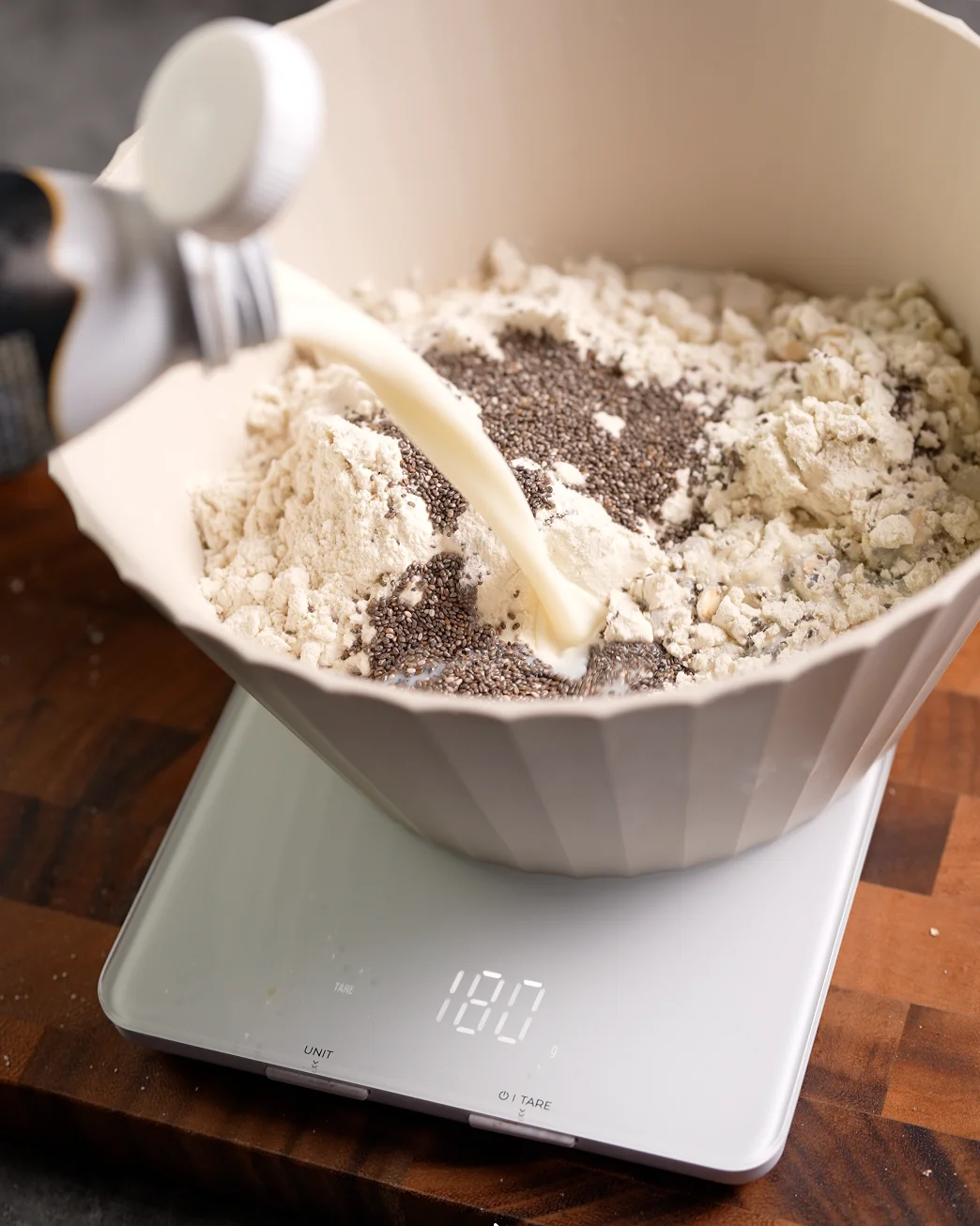
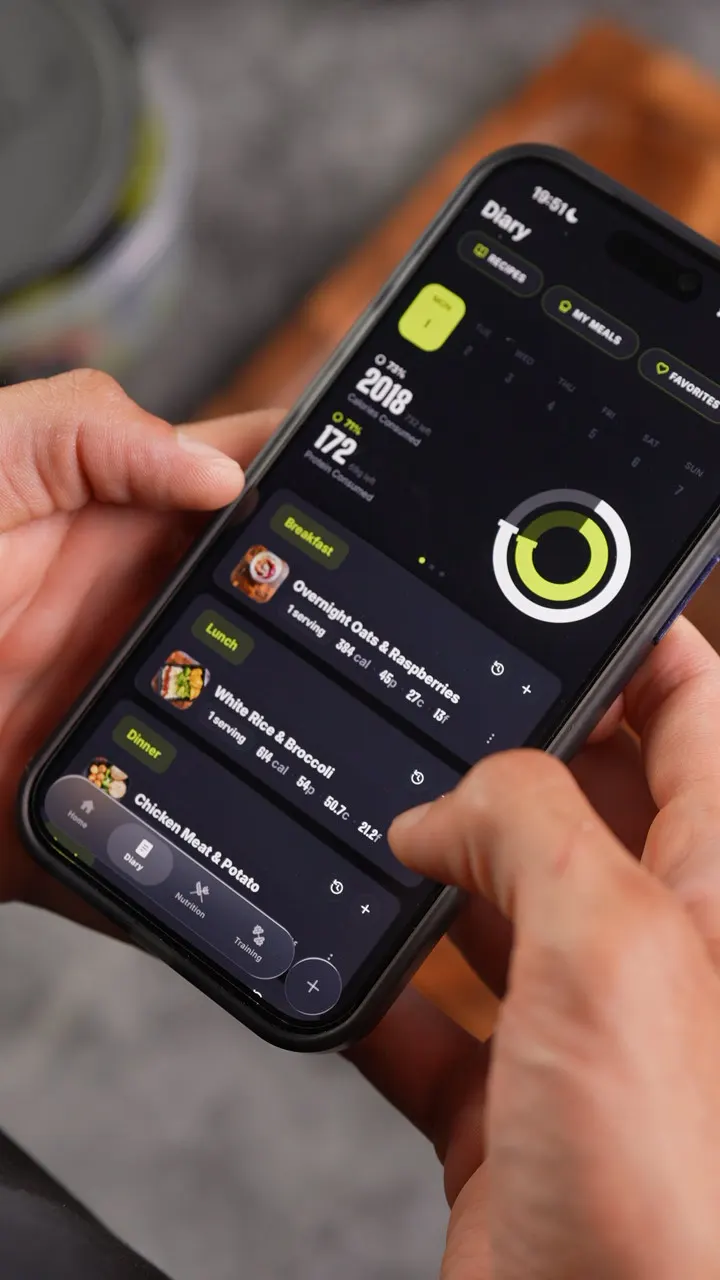
Log everything you eat for a full week — oil, sauces and drinks included. The eye always lies about portions. With the barcode scanner, the AI meal scanner or voice logging in the DietSync Fitness App, it takes seconds per meal.
Full guide: Episode 4 — The eye always lies.
Step 3 — Weigh Yourself Every Morning and Use the Weekly Average
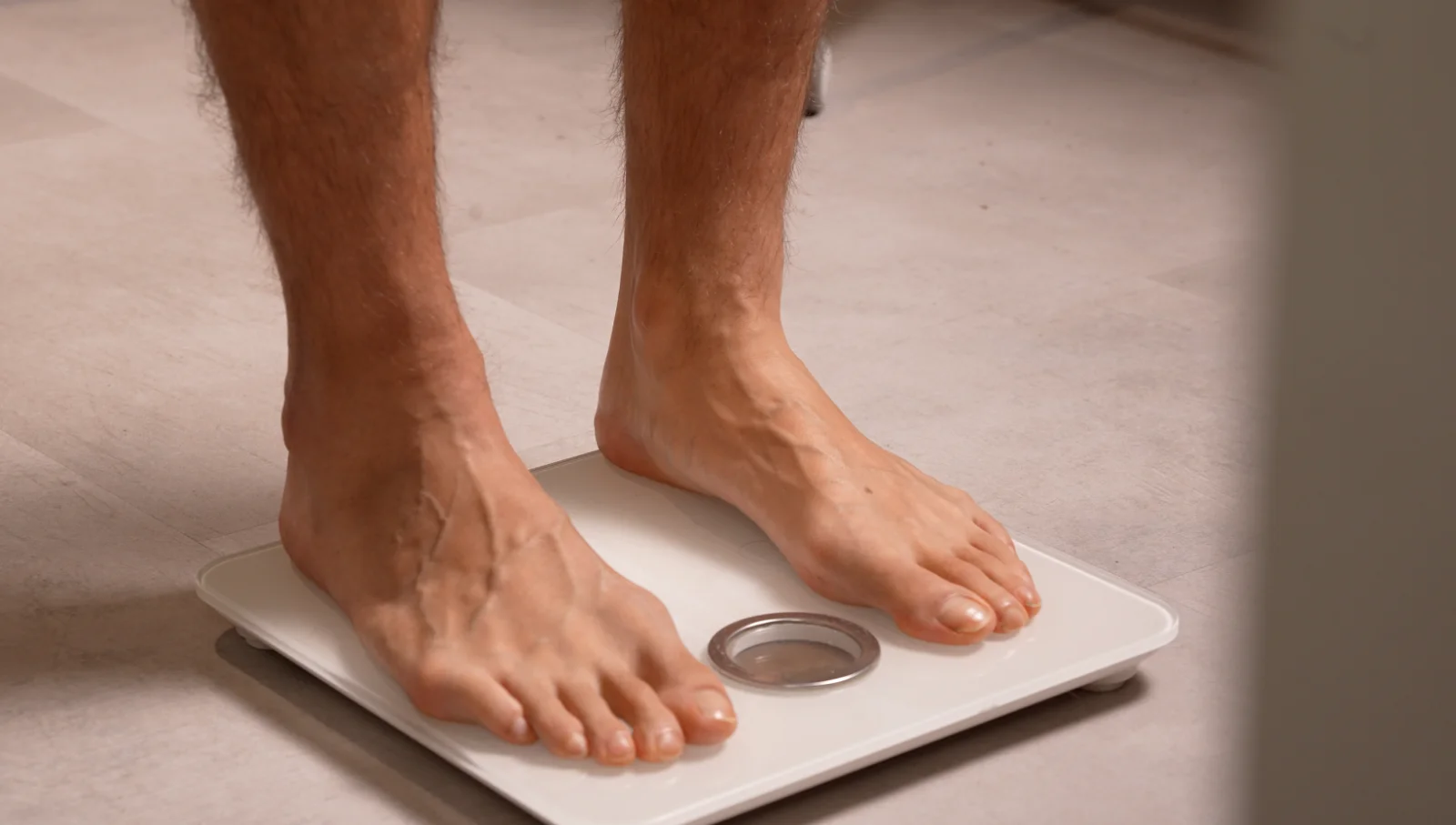
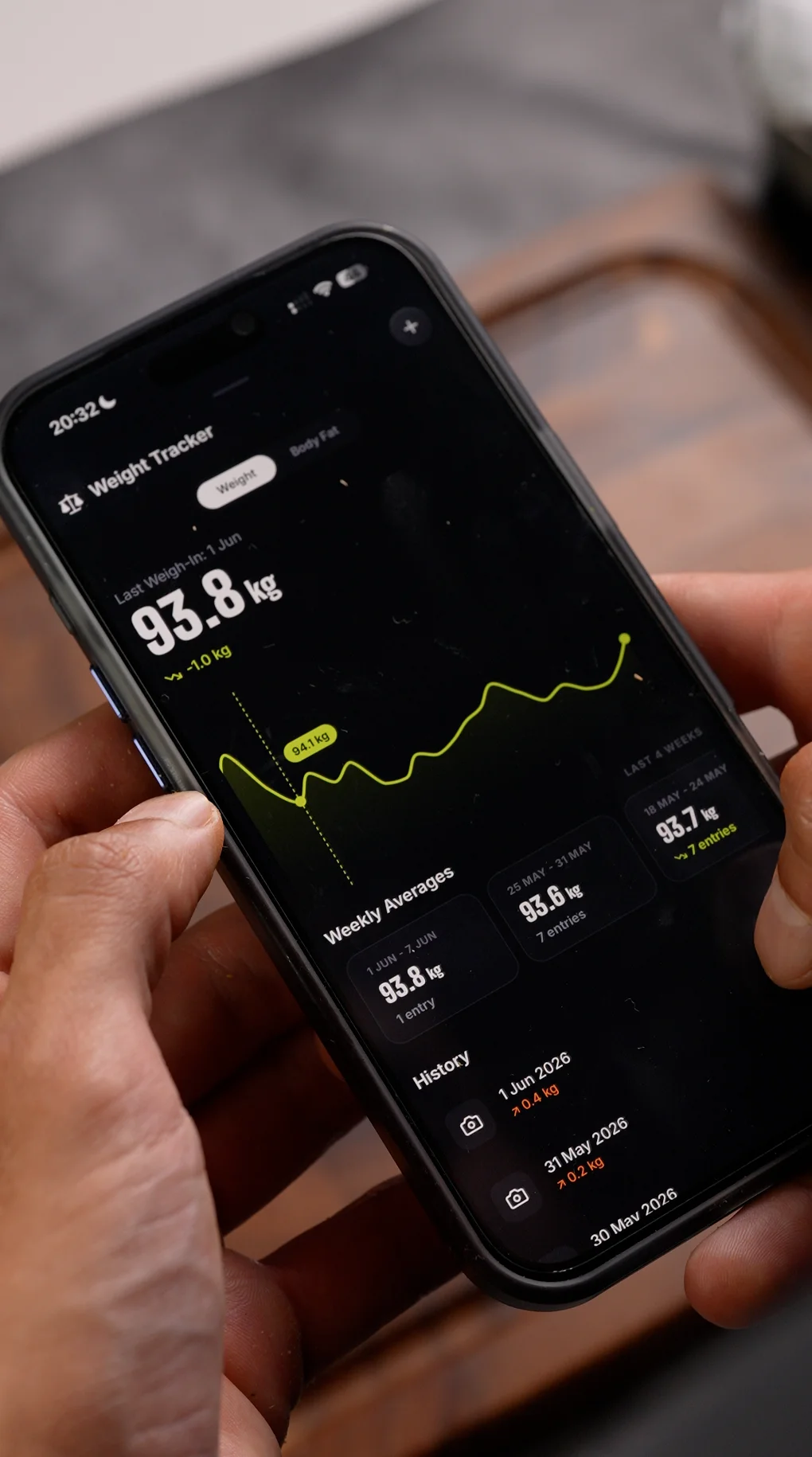
Weigh yourself every morning under the same conditions and look at the weekly average, not the daily number. If your average is going down, you are doing it right. If it stays flat for two weeks, reduce your calories a little further.
Full method: Episode 3 — The weekly average method.
Step 4 — Get Organised
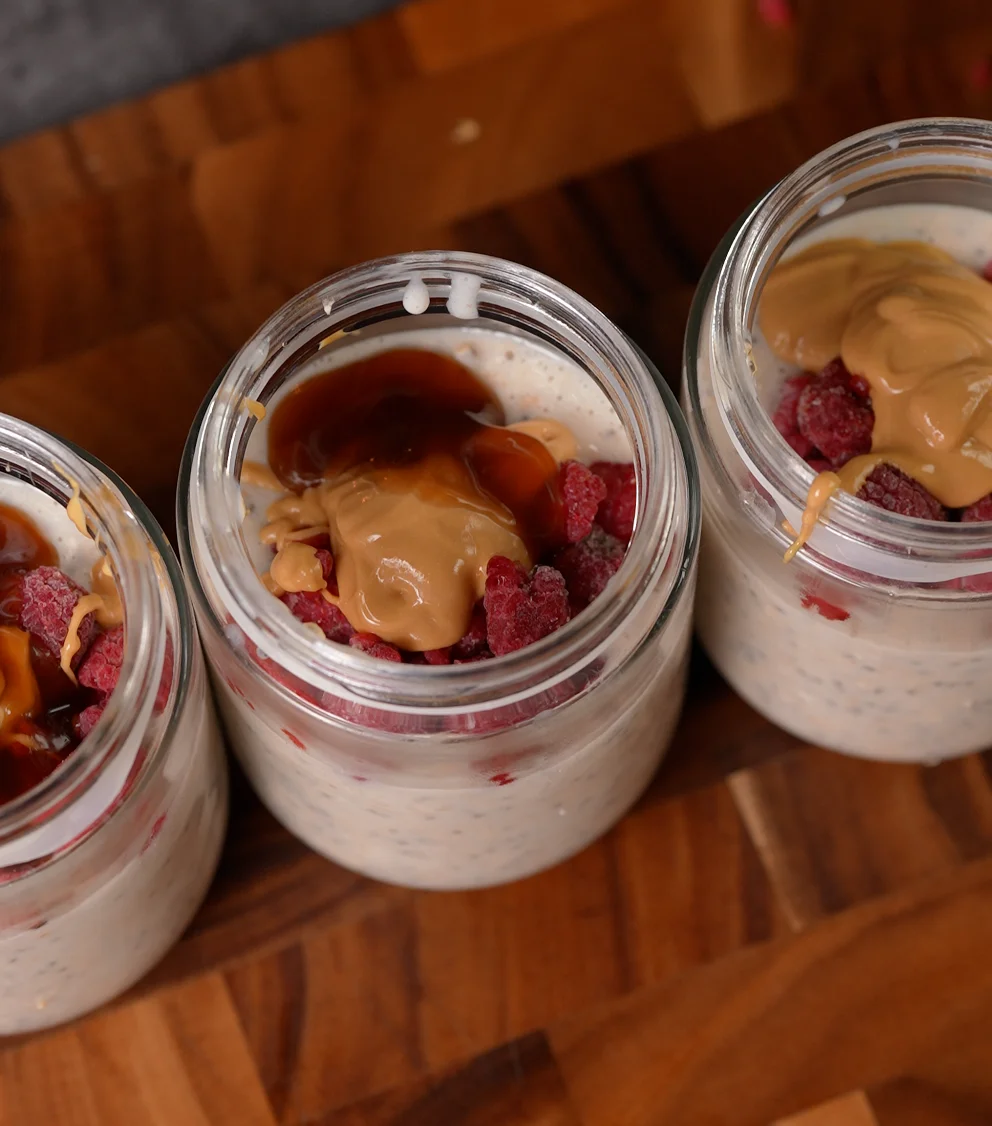
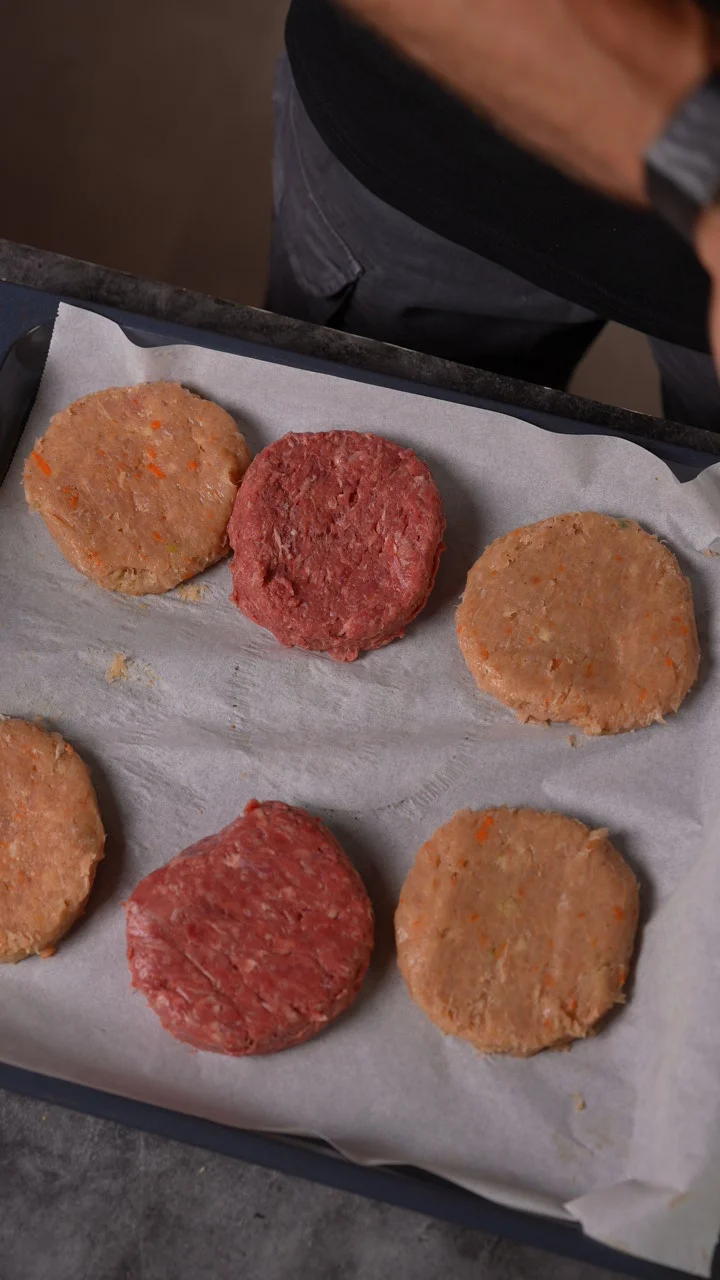
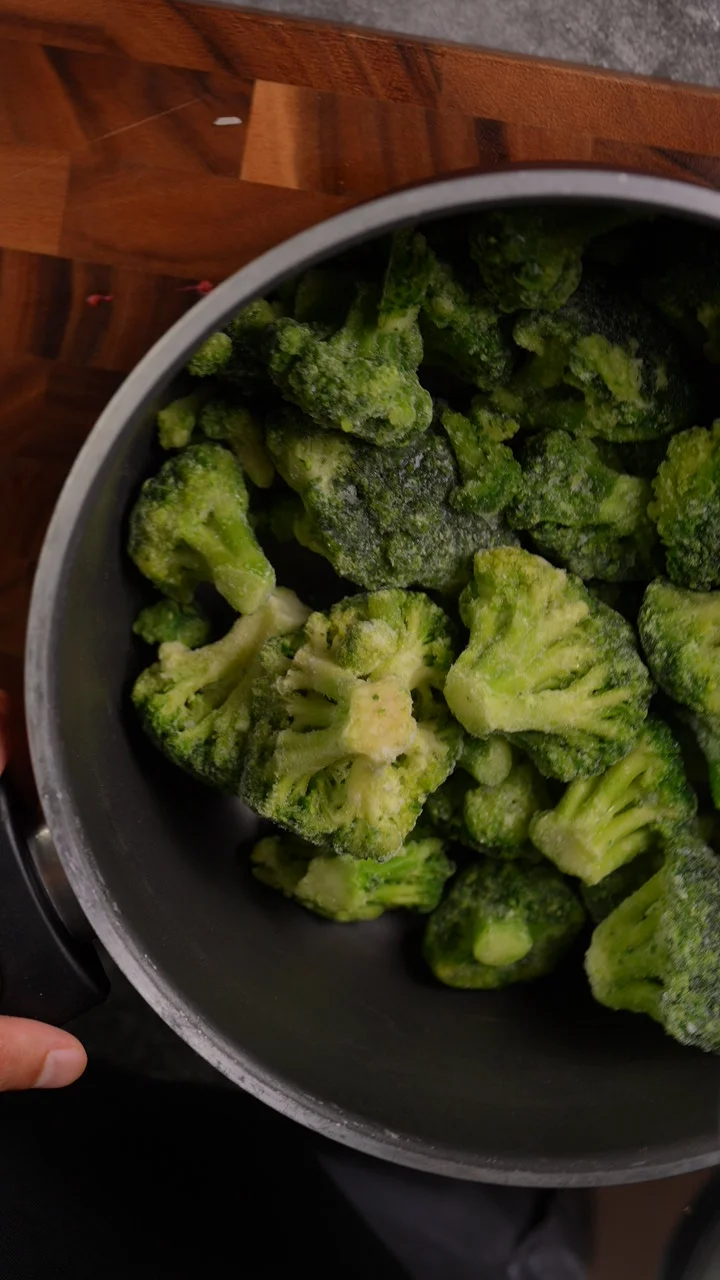
Most diets fail in the kitchen, not in the gym. Organise your week and the decisions are already made:
- Shop for the whole week — my full cutting basket is in Episode 5.
- No time to cook every day? I prep all my meals for the week in under an hour in Episode 7.
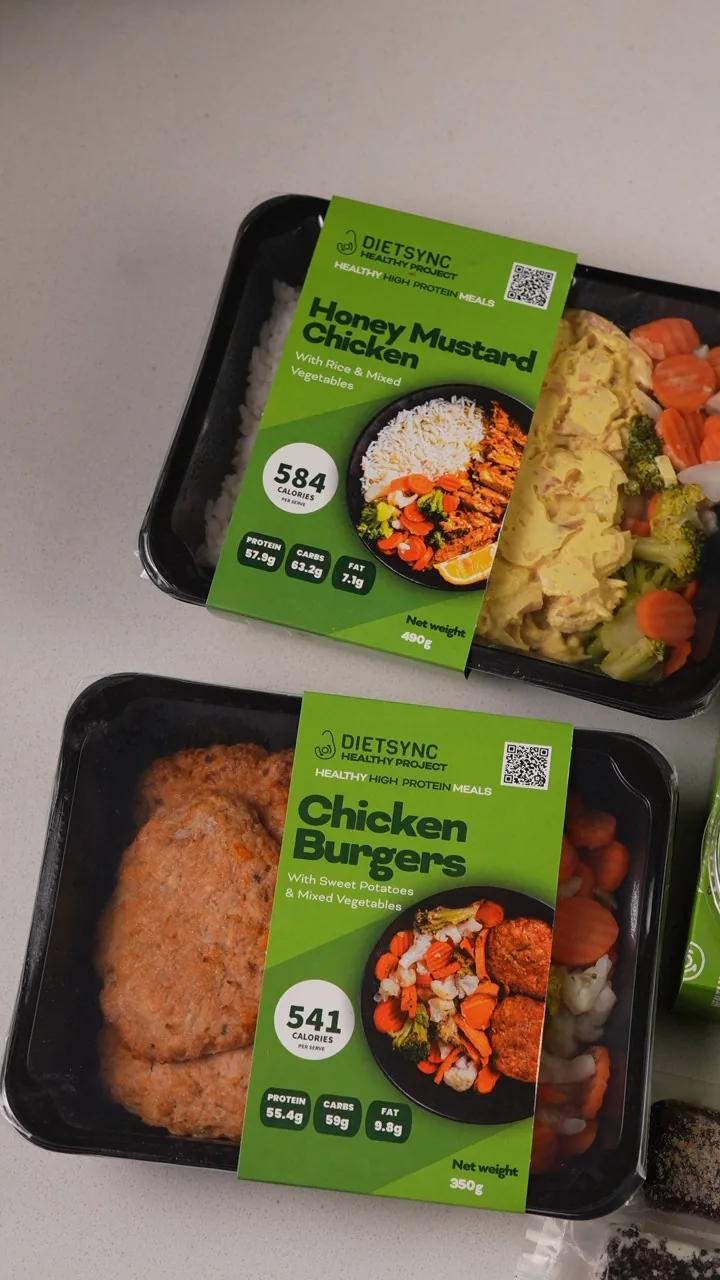
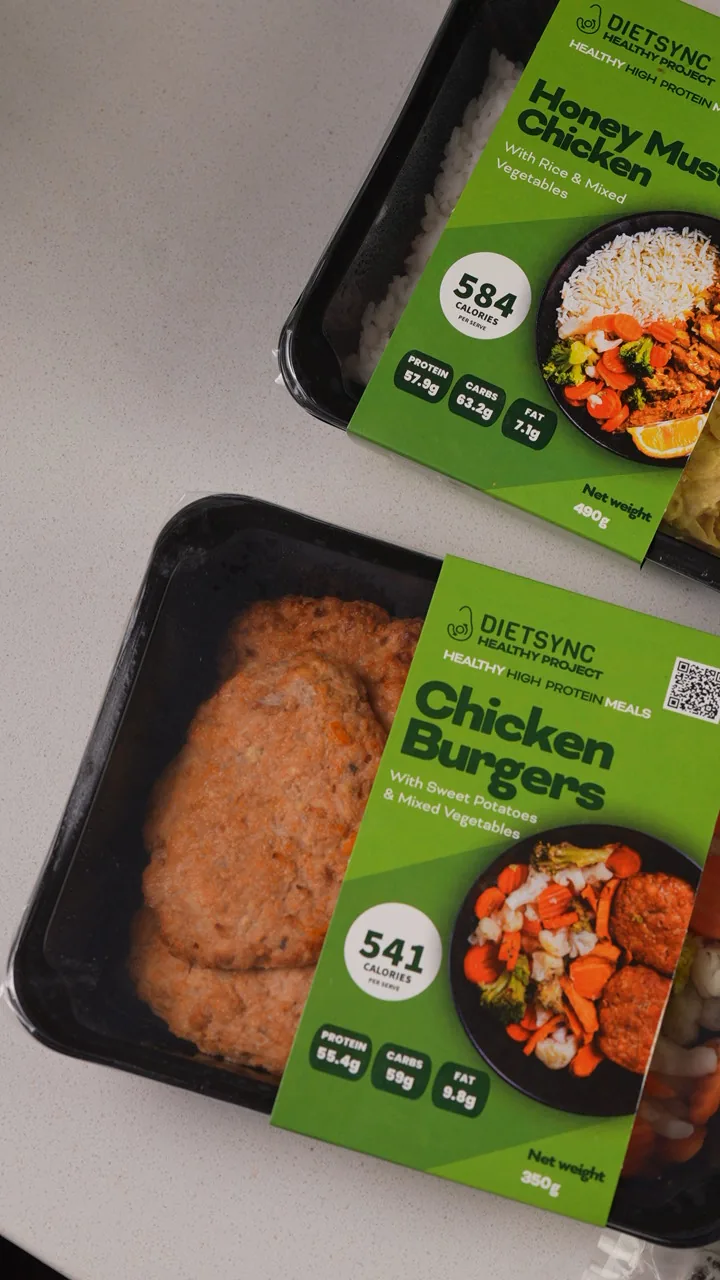
- Don't want to cook at all? Order calorie-counted meals from DietSync Meal Prep.
- As a bonus, ten hacks that make your diet easier, tastier and far less boring are in Episode 6 — save it so you can find it easily.
- Want to see what 2,000 and 1,400 calories look like in practice? See Episode 8 and Episode 9.
Step 5 — Train With Progressive Overload
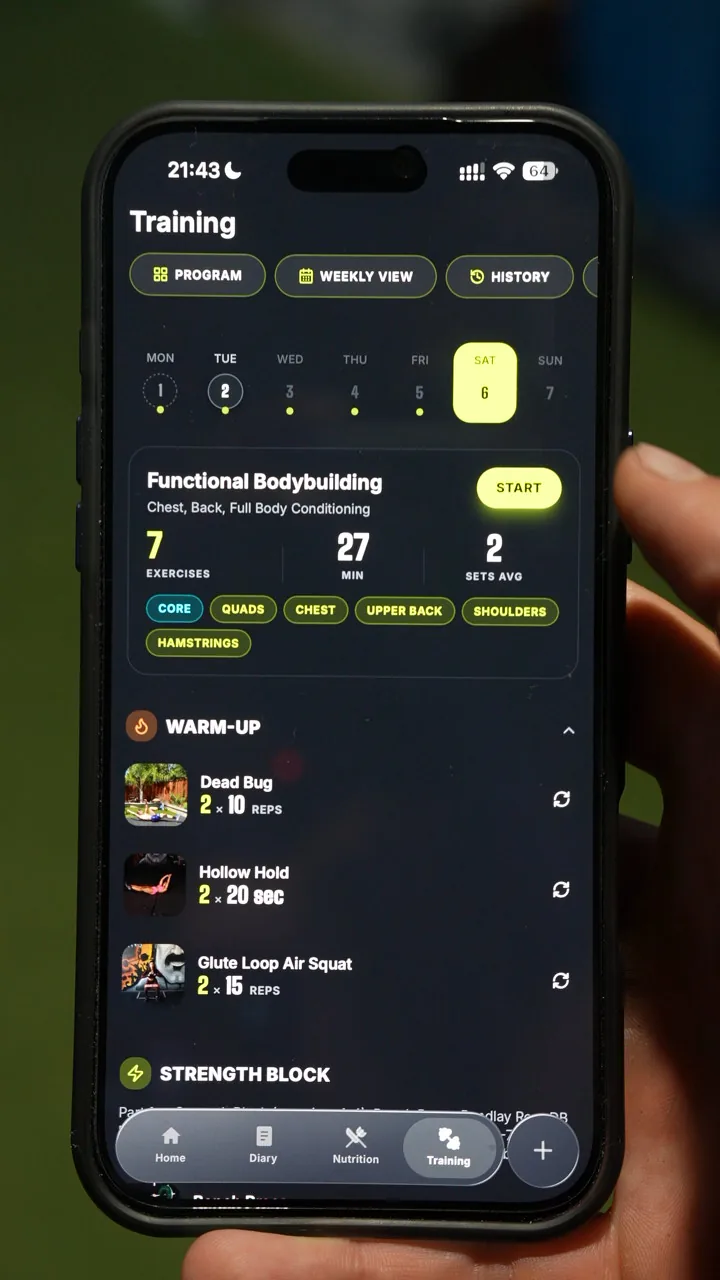
Every week, a little more — one more rep or two more kilos. It looks small; over three months it is huge. Log your training so you always know what to beat. Cardio is optional: it lets you eat more, but it does not replace the deficit.
Full guide: Episode 10 — Progressive overload and cardio.


Step 6 — Supplements Come Last
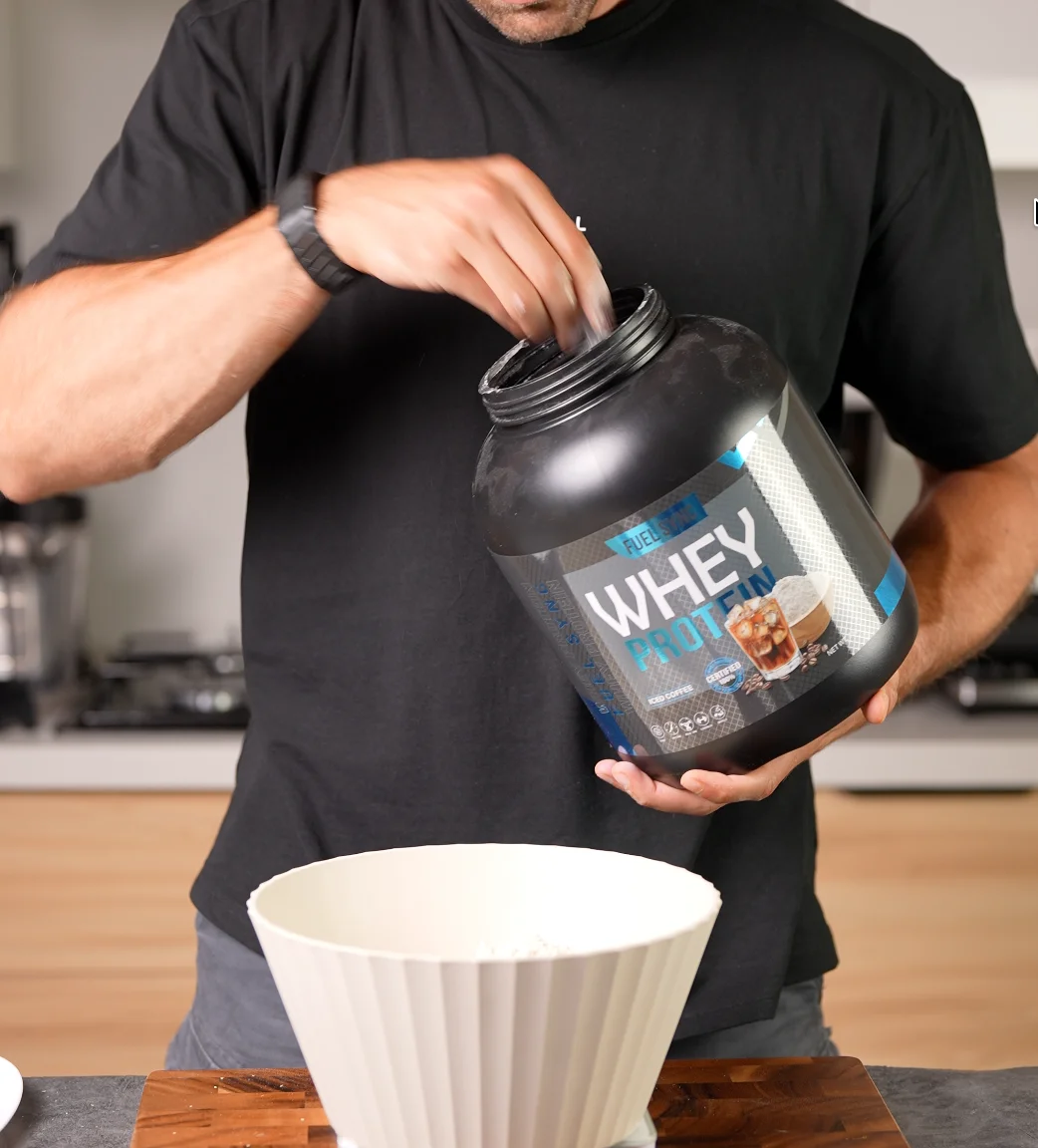
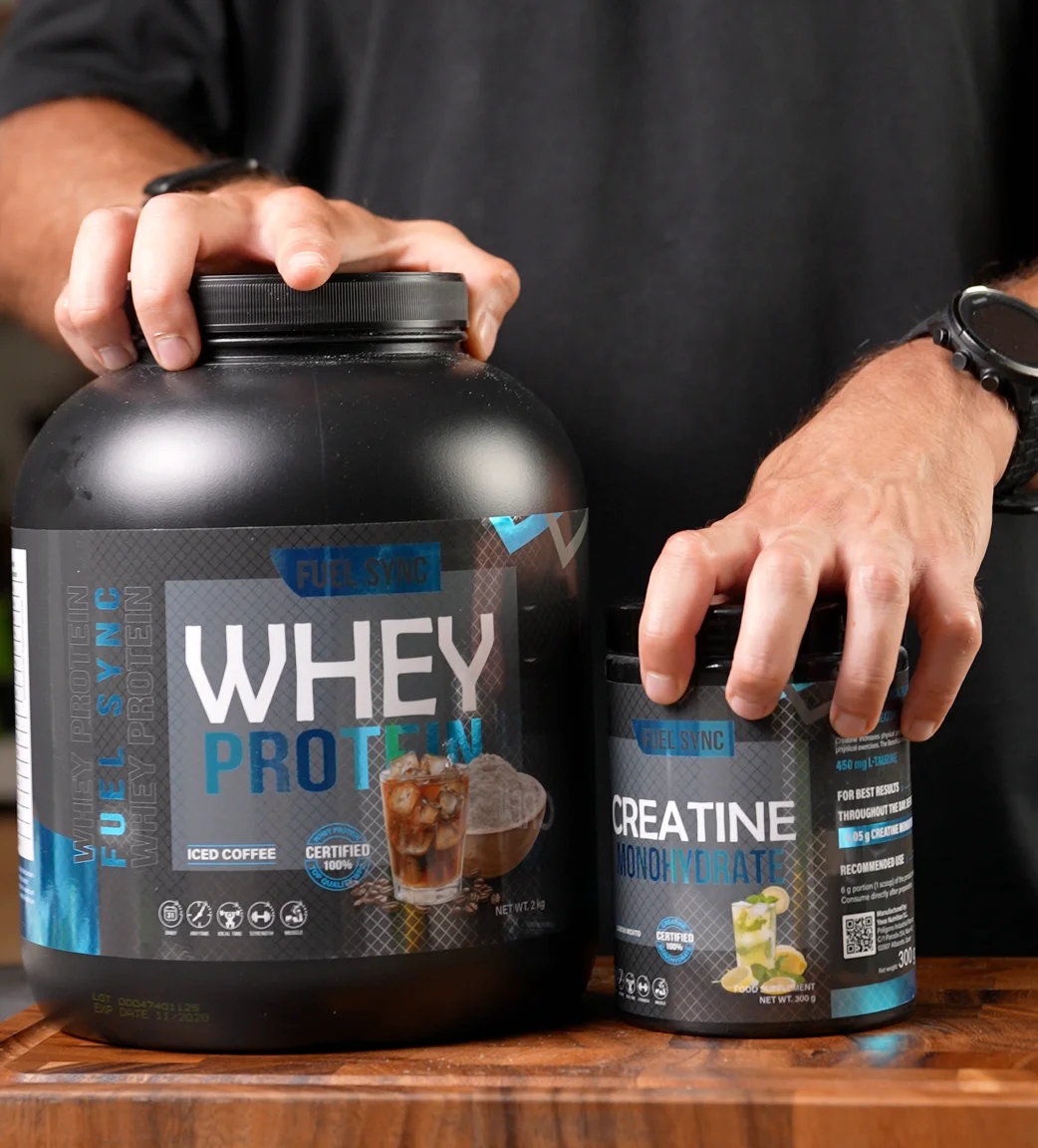
Supplements are the last 5% of the puzzle. All you need is creatine and protein. Everything else depends on your diet — or is a waste of money.
The honest ranking: Episode 11 — Which supplements actually work.
When Real Life Happens
A night out doesn't ruin your progress — giving up after it does. Prepare before you go, log what you eat and drink, and go back to your plan at the next meal. What counts is the week as a whole. Full guide: Episode 12.
When You Get Stuck
Your body adapts and your deficit shrinks. Cut your calories a little further, add steps, or add cardio two to three times a week. A diet break comes last, and only after around eight weeks of dieting. Full guide: Episode 13.
What Results to Expect
A sustainable pace is around 0.3–0.7kg of weight loss per week. Over 30 days that is roughly 1.5–3kg for most people — less than social media promises, and far more than most people achieve by guessing. Expect the first week to drop faster, because part of it is water. After that, trust the weekly average, not the daily number.
The people who get results aren't the ones with the perfect week. They are the ones who repeat a good-enough week, again and again, without quitting after a bad day.
The Only Tools You Need
A scale, and an app to track your food and your training. That's it. The DietSync Fitness App does the maths for you — your calorie target, your macros, your weekly average weight and your training log, all in one place. Download it and see how easy it is.
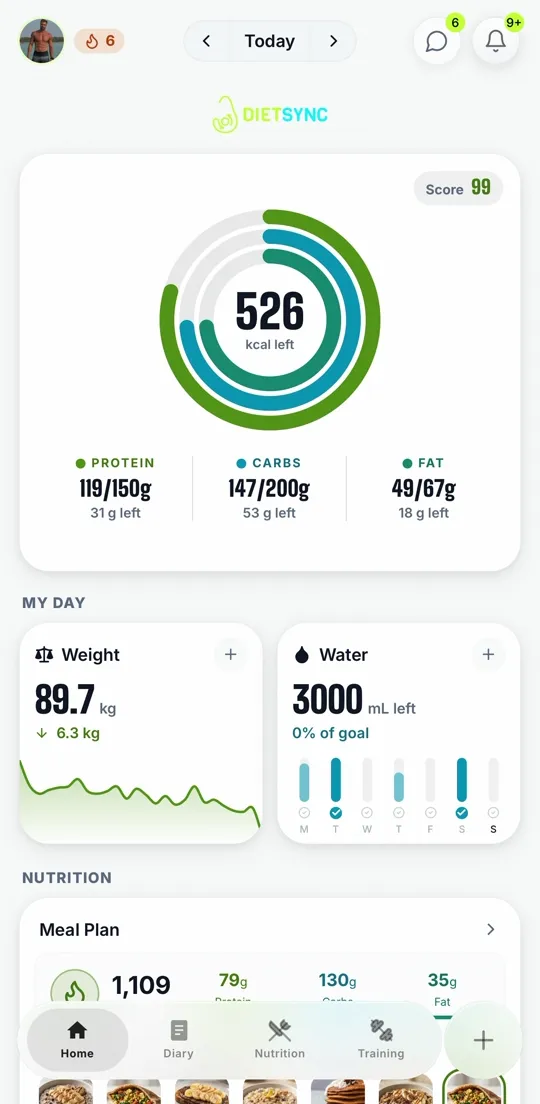
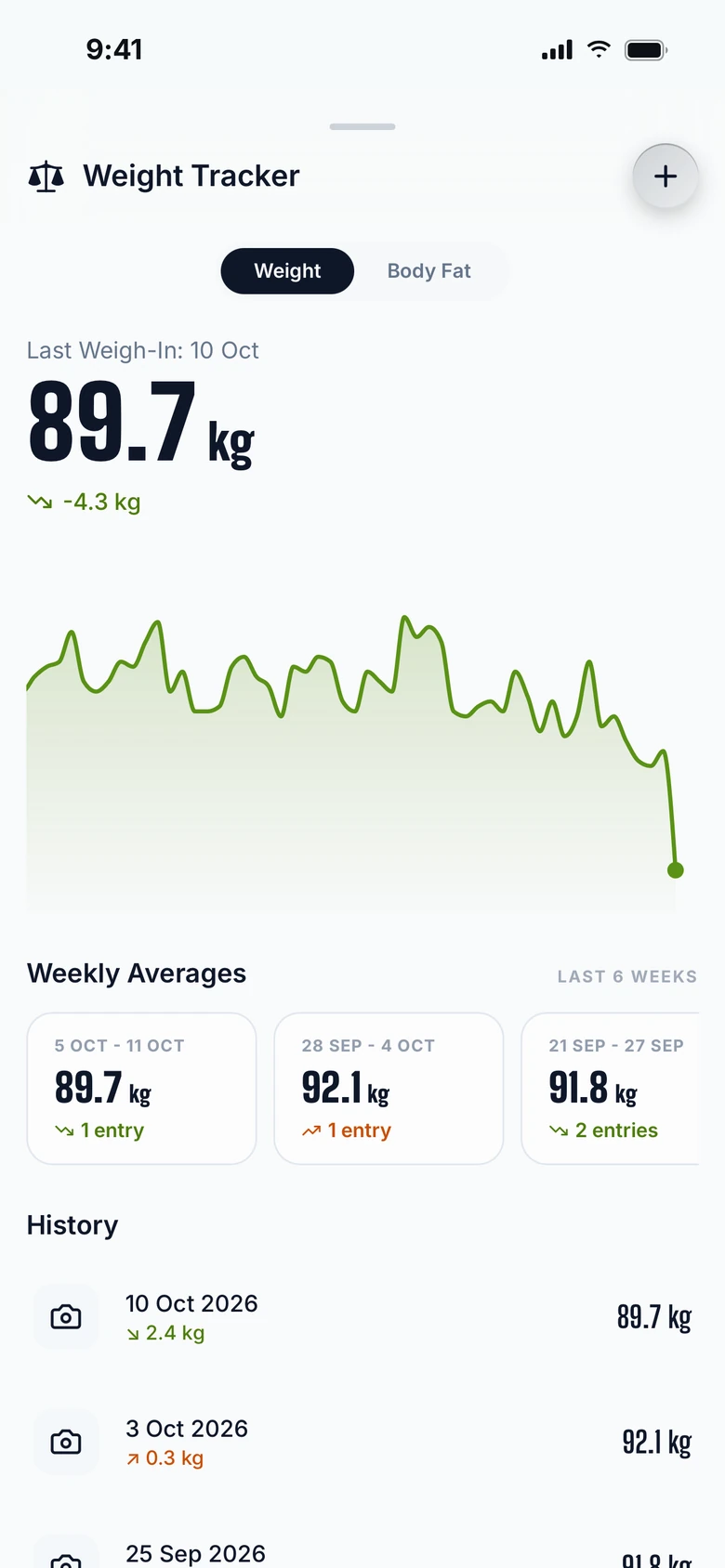
- Every meal turned into calories and macros
- Weight Tracker with weekly averages
- Every set logged, with last time’s numbers
QUESTIONS
Frequently asked questions
How do I start losing fat?
Set a calorie target 300–500 kcal under your TDEE, put protein first, track your food for a week and weigh in every morning. Then judge by your weekly average and adjust.
What is the fastest way to lose fat?
There is no shortcut. Set a calorie deficit, hit your protein, track your food, train with progressive overload and judge progress by your weekly average weight. Around 0.3–0.7 kg a week is a sustainable pace.
How much weight can I lose in 30 days?
At 0.3–0.7 kg of fat a week, about 1.5–3 kg in a month. The scale may move faster in the first week from water.
Do I need to count calories to lose fat?
You need to be in a calorie deficit, and tracking for at least the first weeks is the most reliable way to know you are in one. After a while most people can estimate portions accurately.
What tools do I need to start losing fat?
A kitchen scale, a bathroom scale and an app to track your food and training. Everything else, supplements included, is optional.