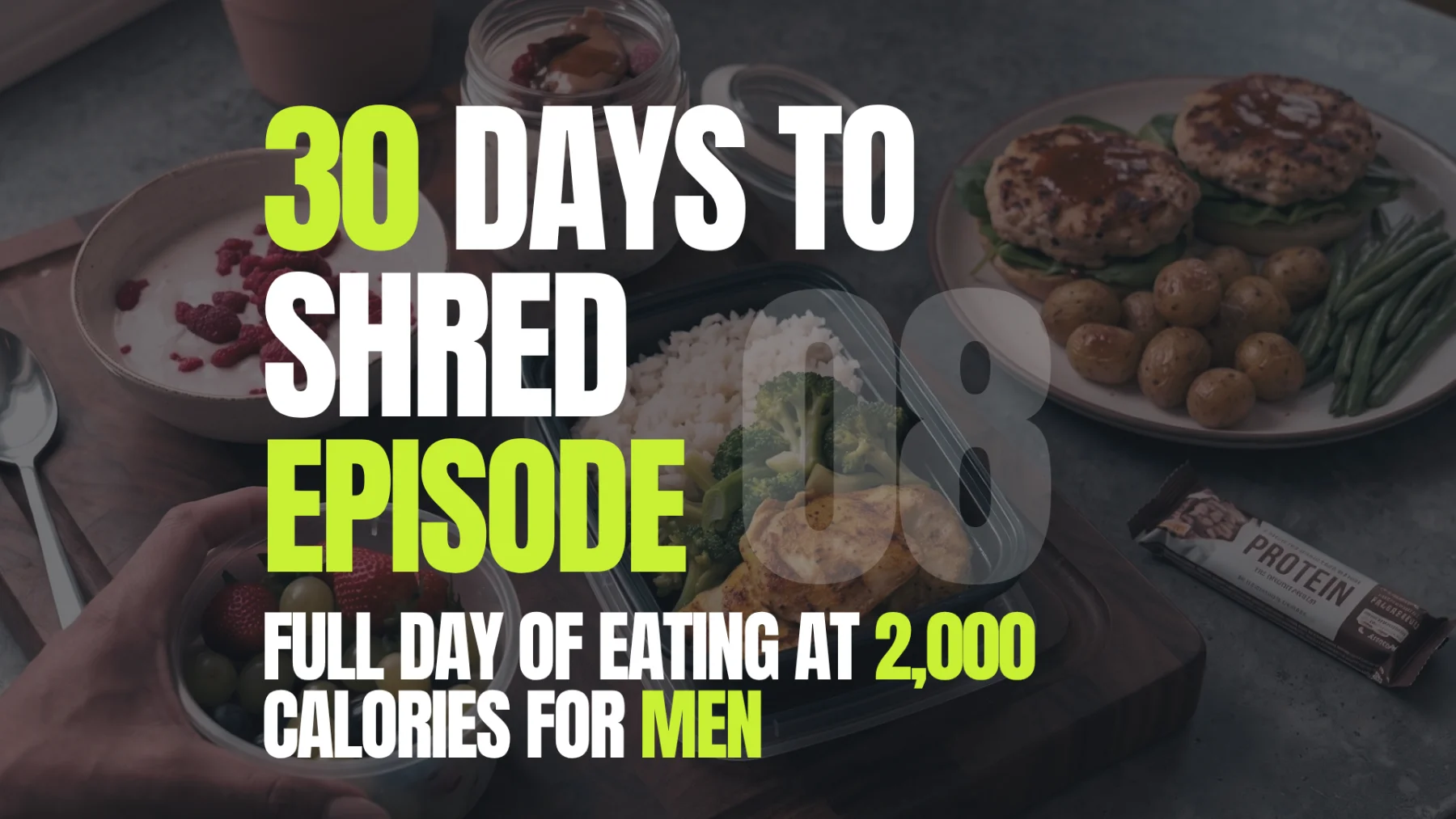
This is exactly what I eat in a day to lose fat at 2,000 calories: five simple meals, 193g of protein, and almost no cooking on the day itself. Every meal below is weighed, logged and shown with its real macros from my DietSync Fitness App diary.
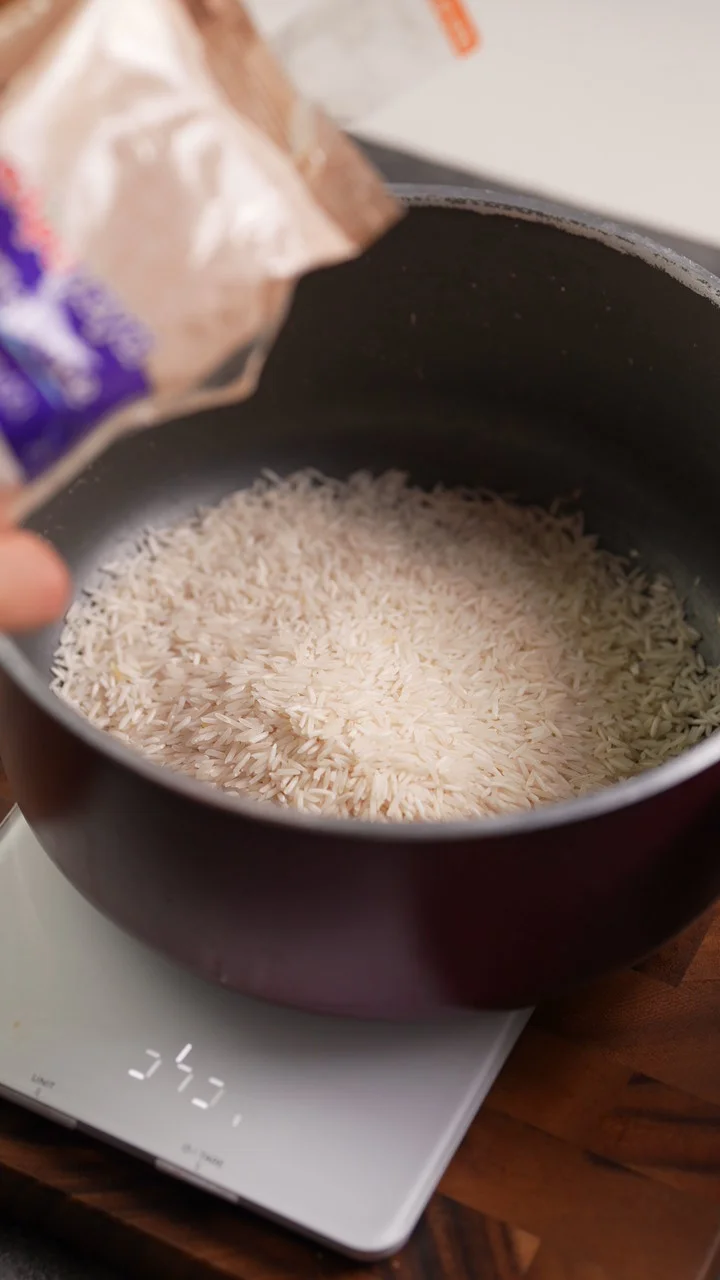
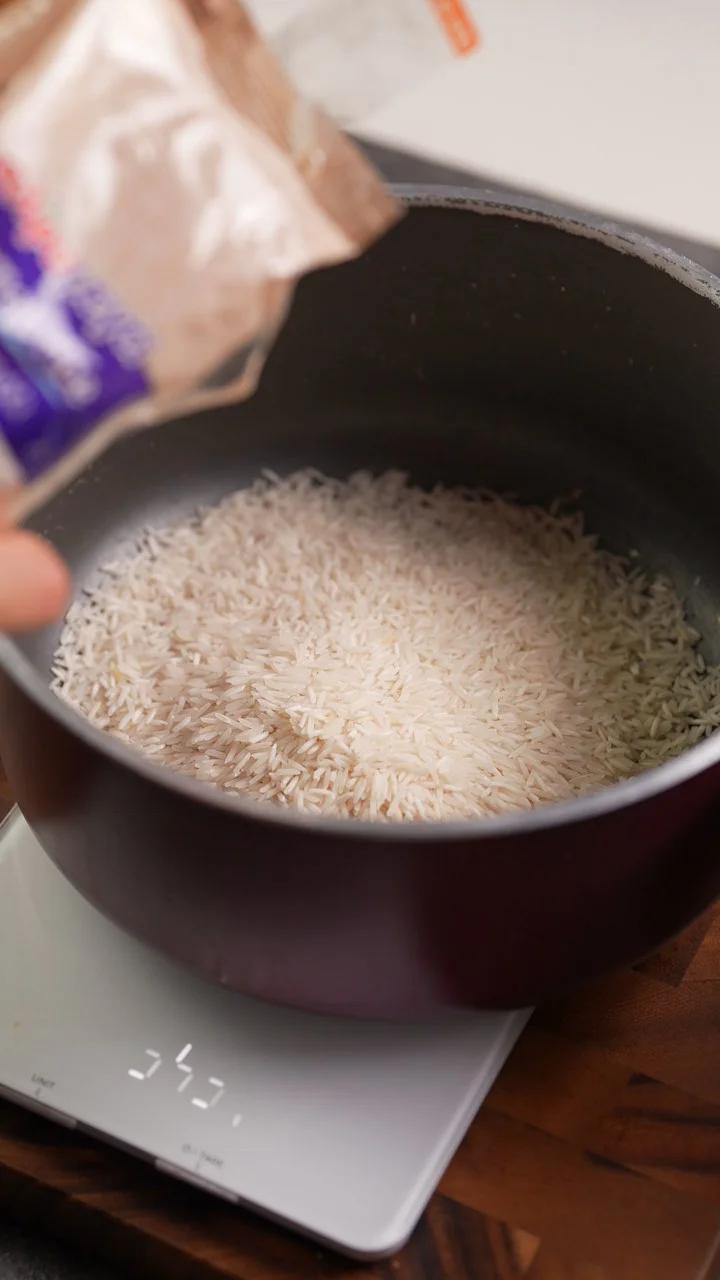
If you have no time at all, the main meals here come straight from the containers I prepped in Episode 7 — a full week of food in under an hour. Today is what that prep session looks like on a plate.
In short
- Five meals, 2,053 kcal and 193 g of protein: 65 g fat and 180 g carbs.
- Protein in every meal, never under 17 g, and four of the five meals have 26 g or more.
- The main meals come straight from the episode 7 meal prep, so there is almost no cooking on the day.
- Need fewer calories? Episode 9 has the same foods at 1,400 kcal.
The Day at a Glance
P protein C carbs F fat
| Meal | kcal | Protein | Carbs | Fat |
|---|---|---|---|---|
| Breakfast — overnight oats | 296 | P 26.6 g | C 24.1 g | F 12.3 g |
| Pre-workout — yoghurt + whey | 192 | P 38 g | C 7 g | F 1 g |
| Lunch — chicken, rice, broccoli | 614 | P 54 g | C 50.7 g | F 21.2 g |
| Snack — fruit + protein bar | 301 | P 17.7 g | C 40.7 g | F 10 g |
| Dinner — chicken burgers, baby potatoes | 650 | P 57 g | C 57 g | F 20 g |
| Day total | 2,053 | P 193 g | C 180 g | F 65 g |
Two things to notice. First, protein is spread across every meal — never less than 17g, and four out of five meals carry 26g or more. Second, none of these is a "diet meal". Oats, rice, potatoes, burgers, fruit and a protein bar. That is the point: fat loss comes from the total for the day, not from eating food you hate.
Breakfast — Overnight Oats (296 kcal, 26.6g protein)
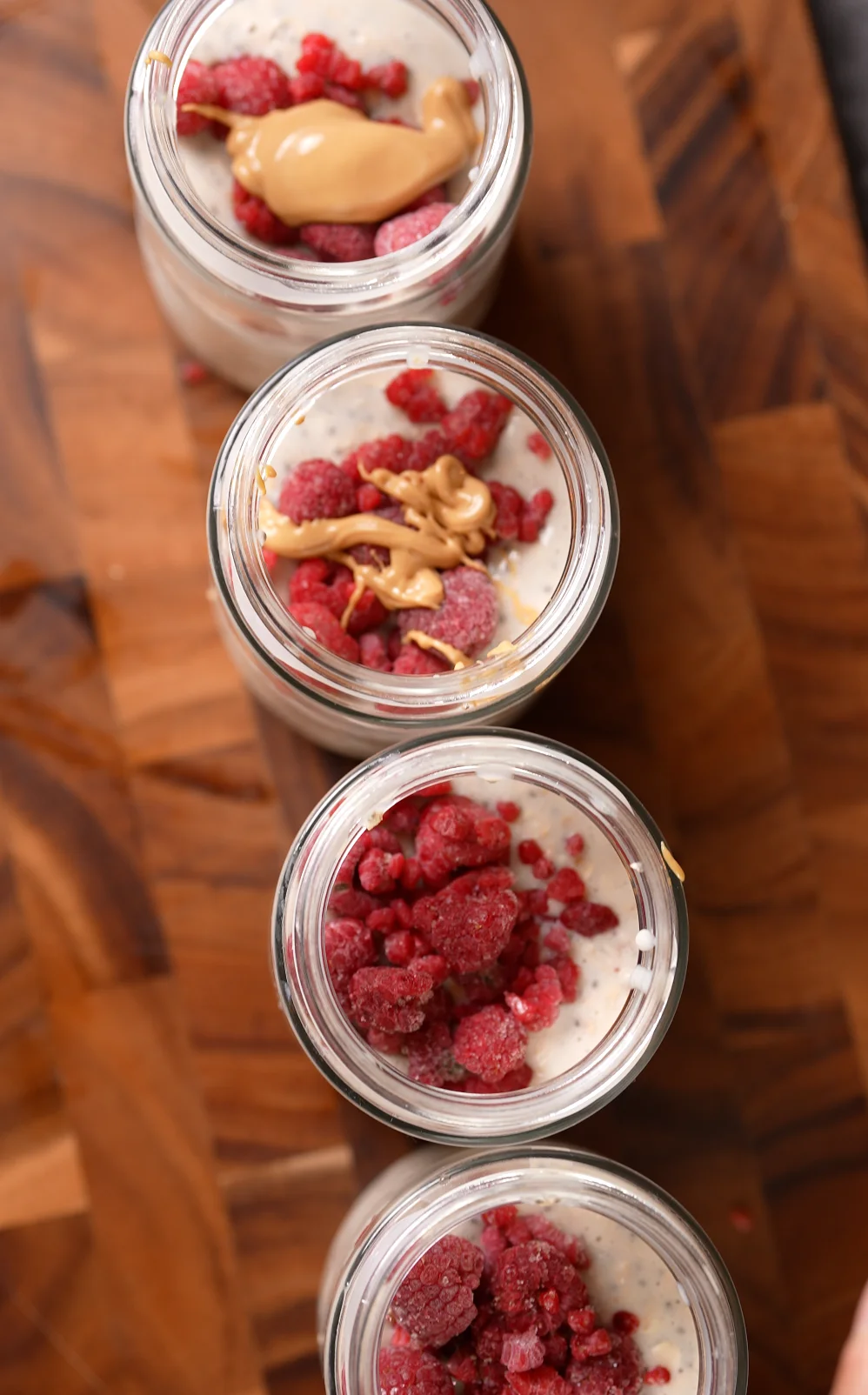
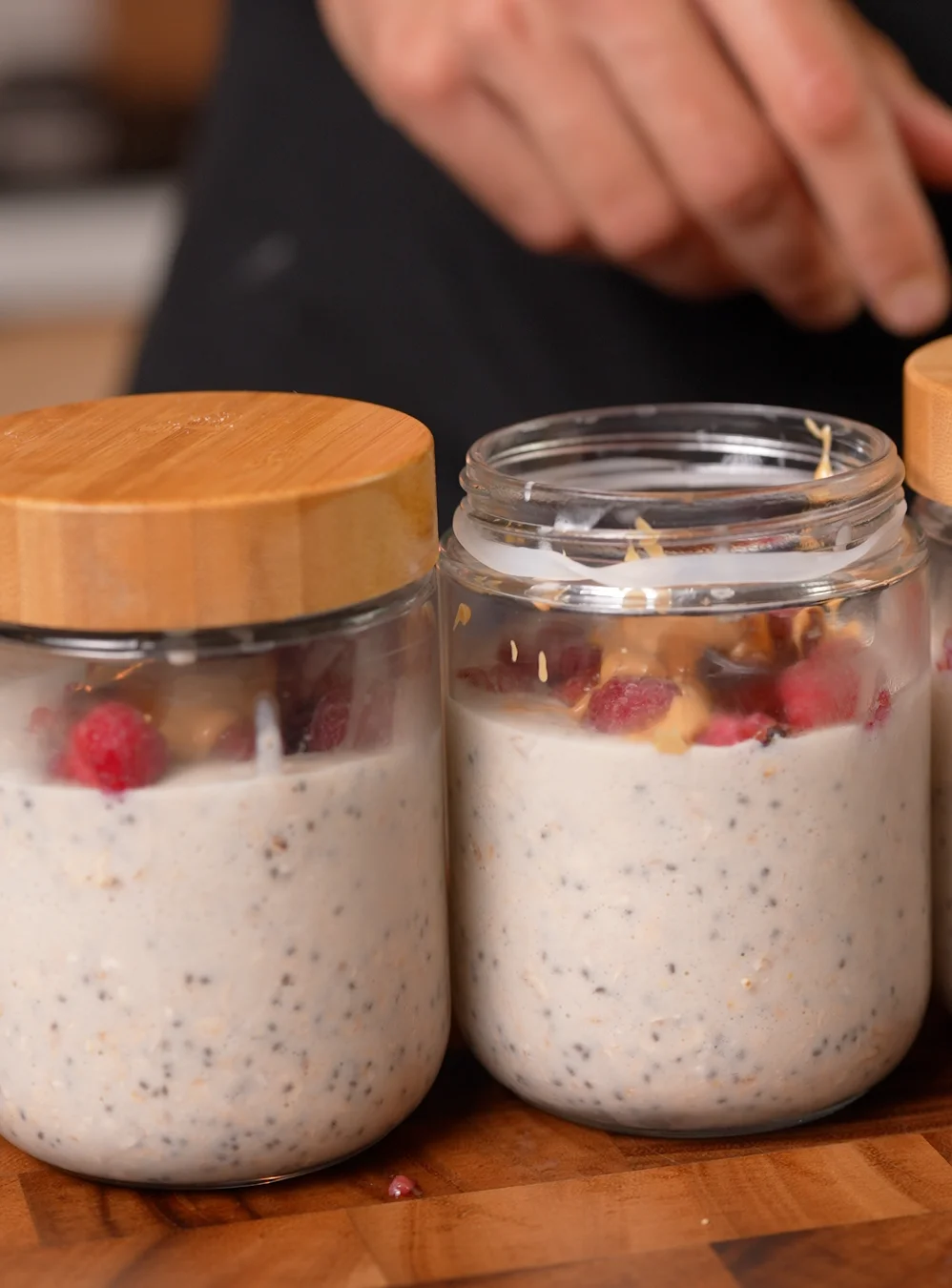
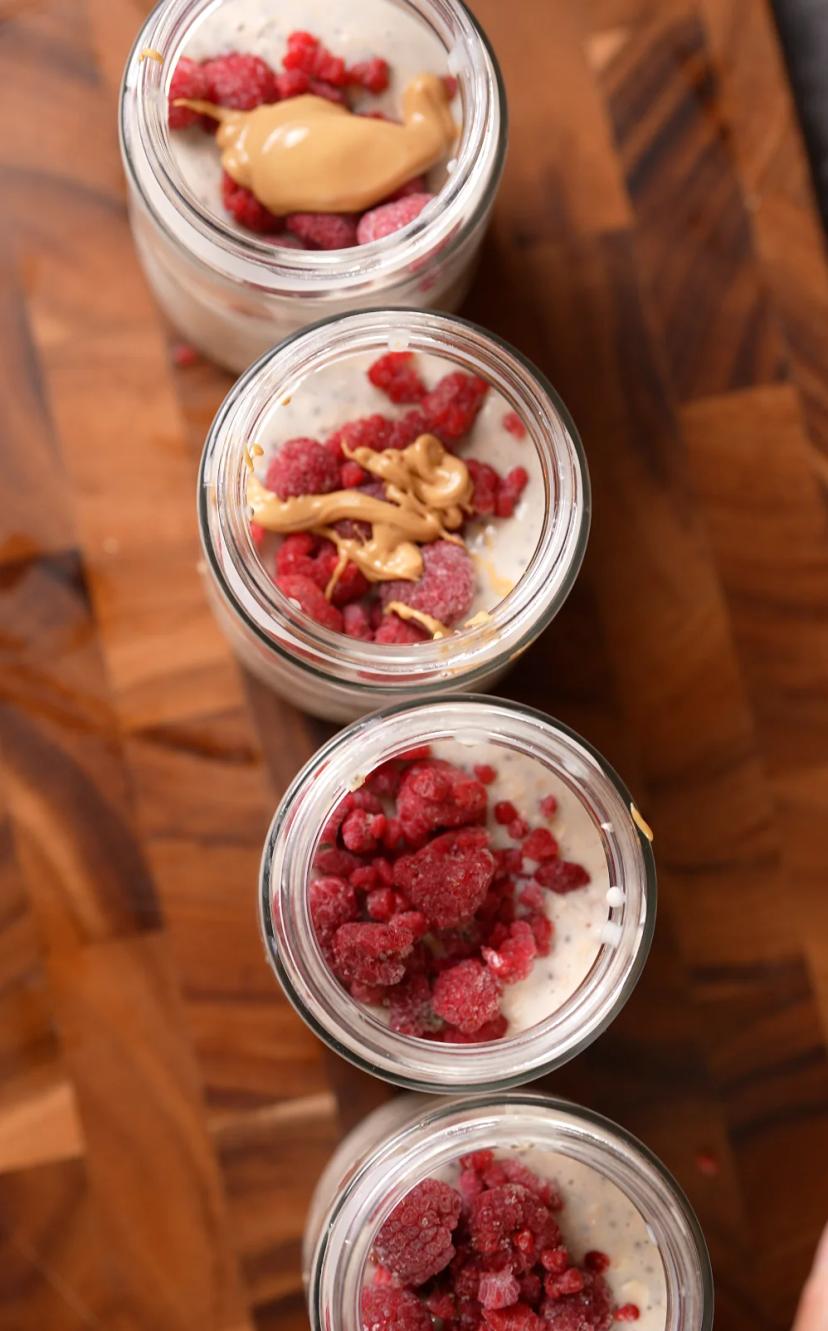
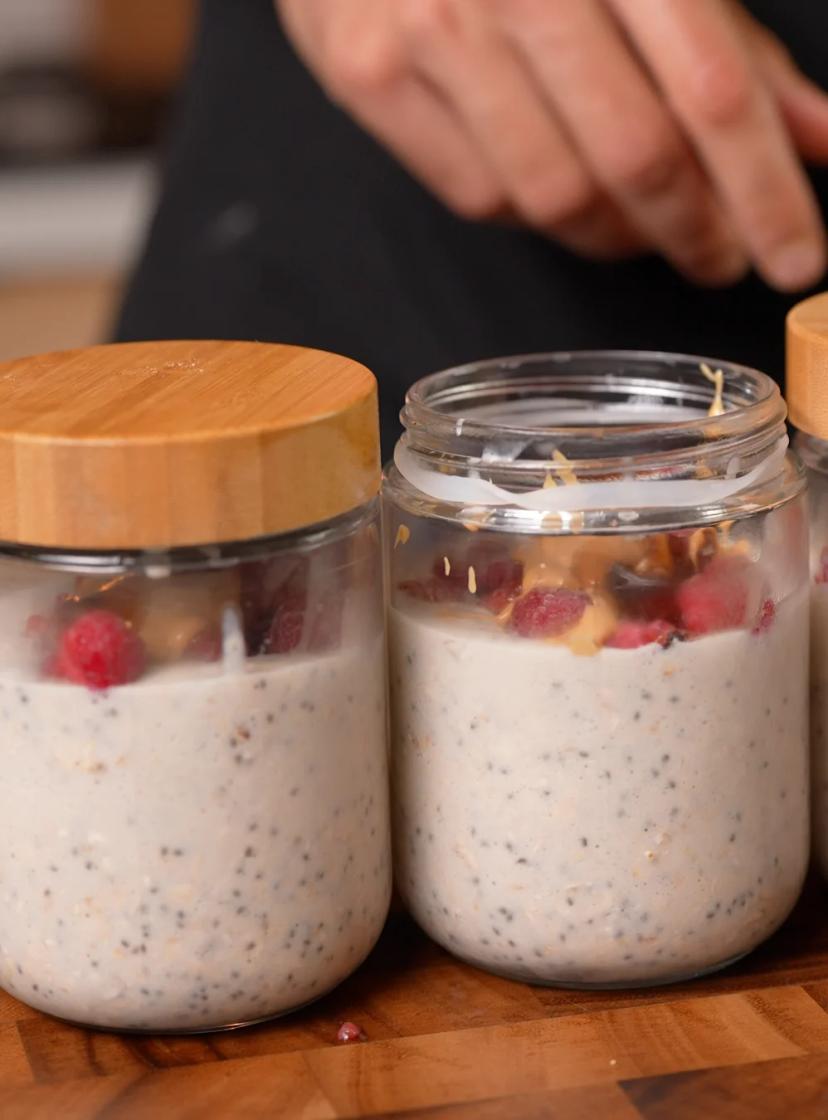
Overnight oats with protein powder, chia seeds, milk, raspberries and a spoon of peanut butter. I make them the night before, so breakfast takes zero minutes in the morning. The recipe is one of the hacks in Episode 6, and the batch version for the whole week is in Episode 7.
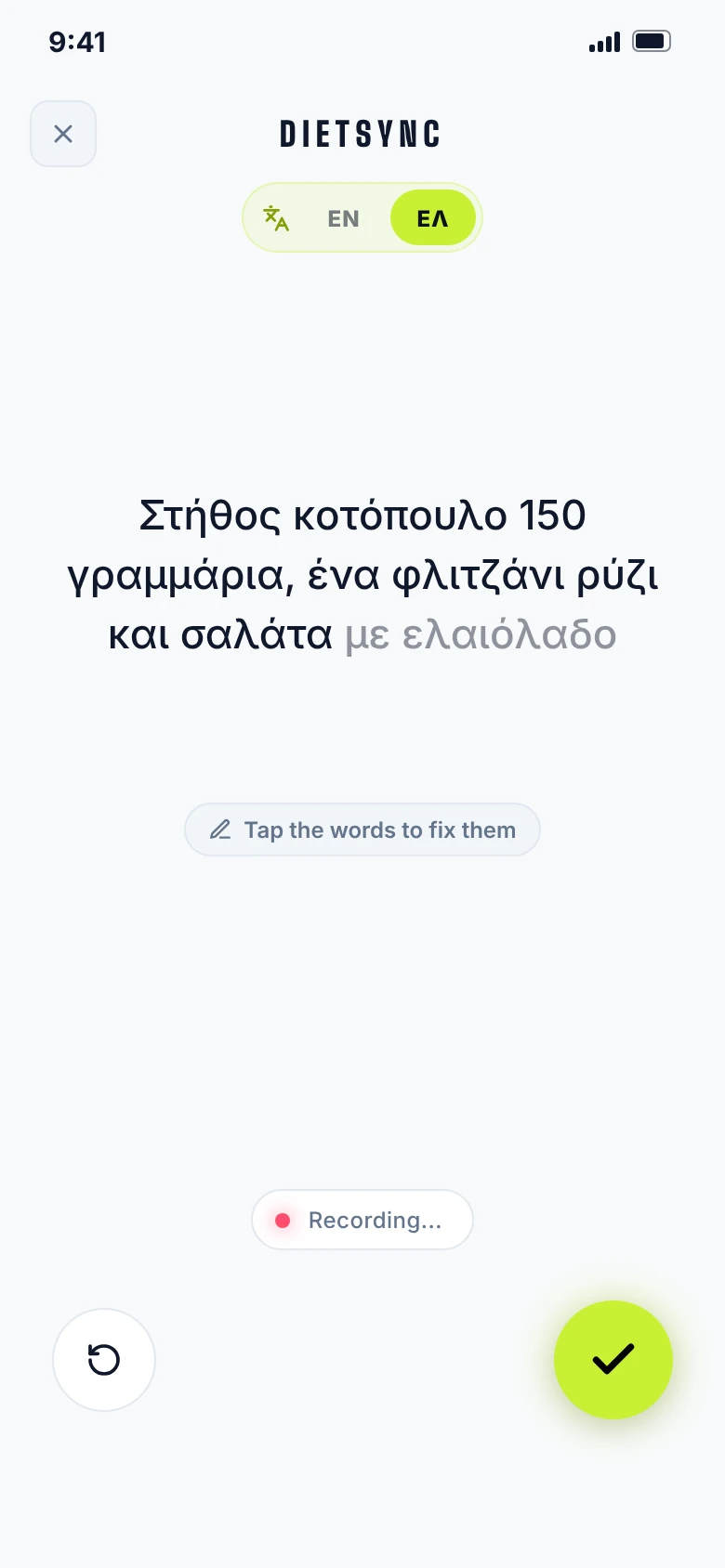
I logged this one with voice logging in the DietSync Fitness App — I literally say "overnight oats with protein" and it is in my diary in about ten seconds. Watch the peanut butter, though: 15g is around 90 kcal, and it is the easiest ingredient in the jar to over-pour.
Pre-Workout Snack — Greek Yoghurt and Whey (192 kcal, 38g protein)
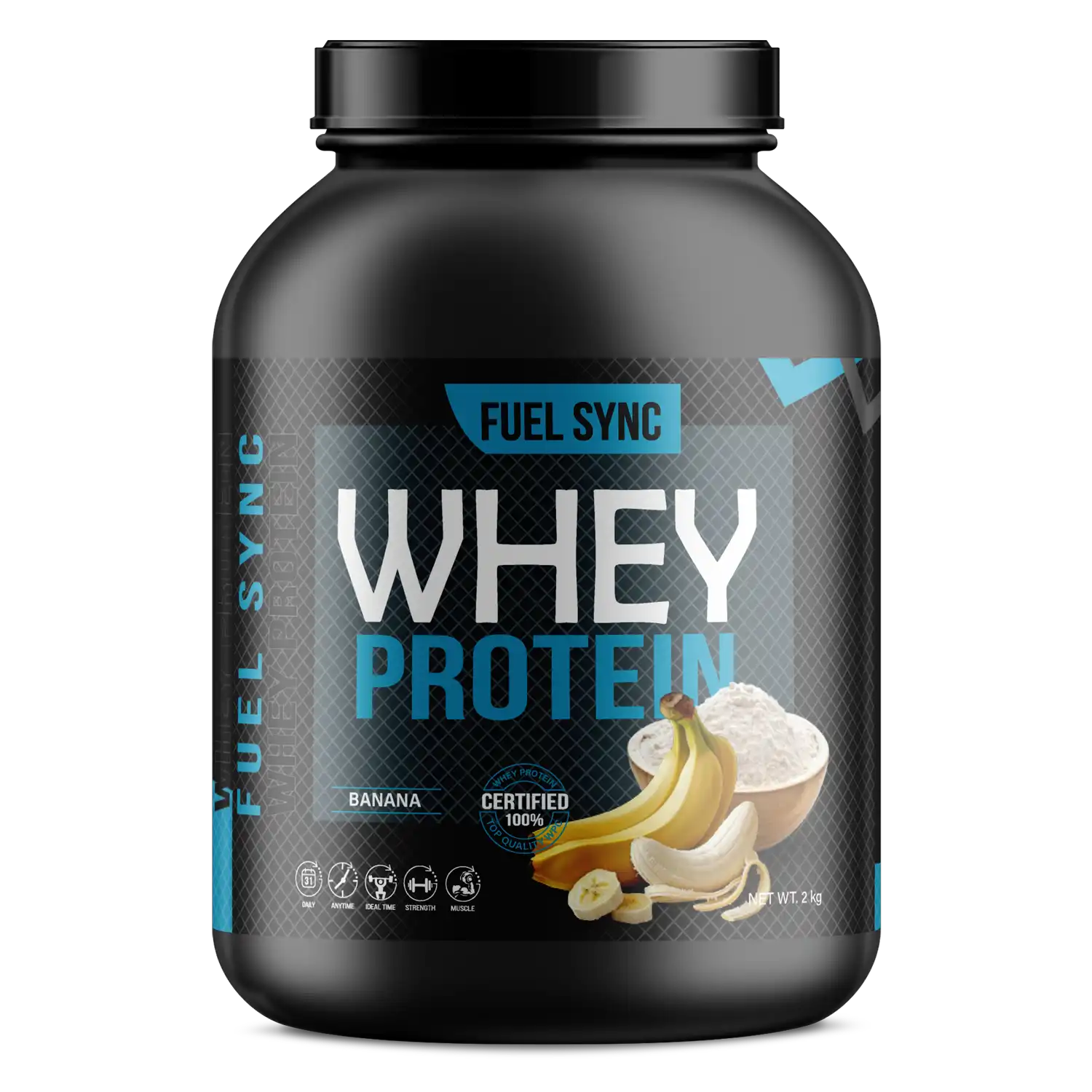
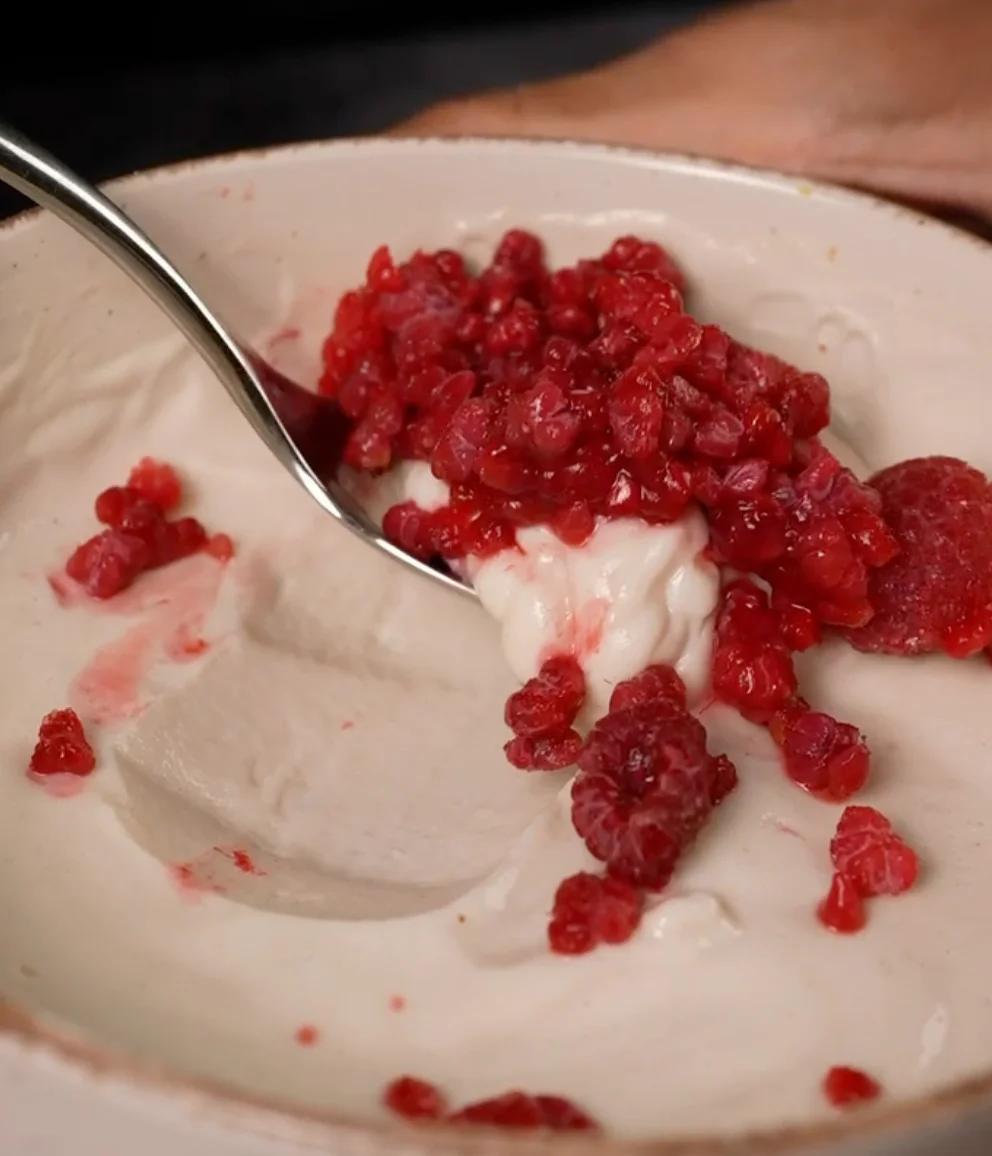
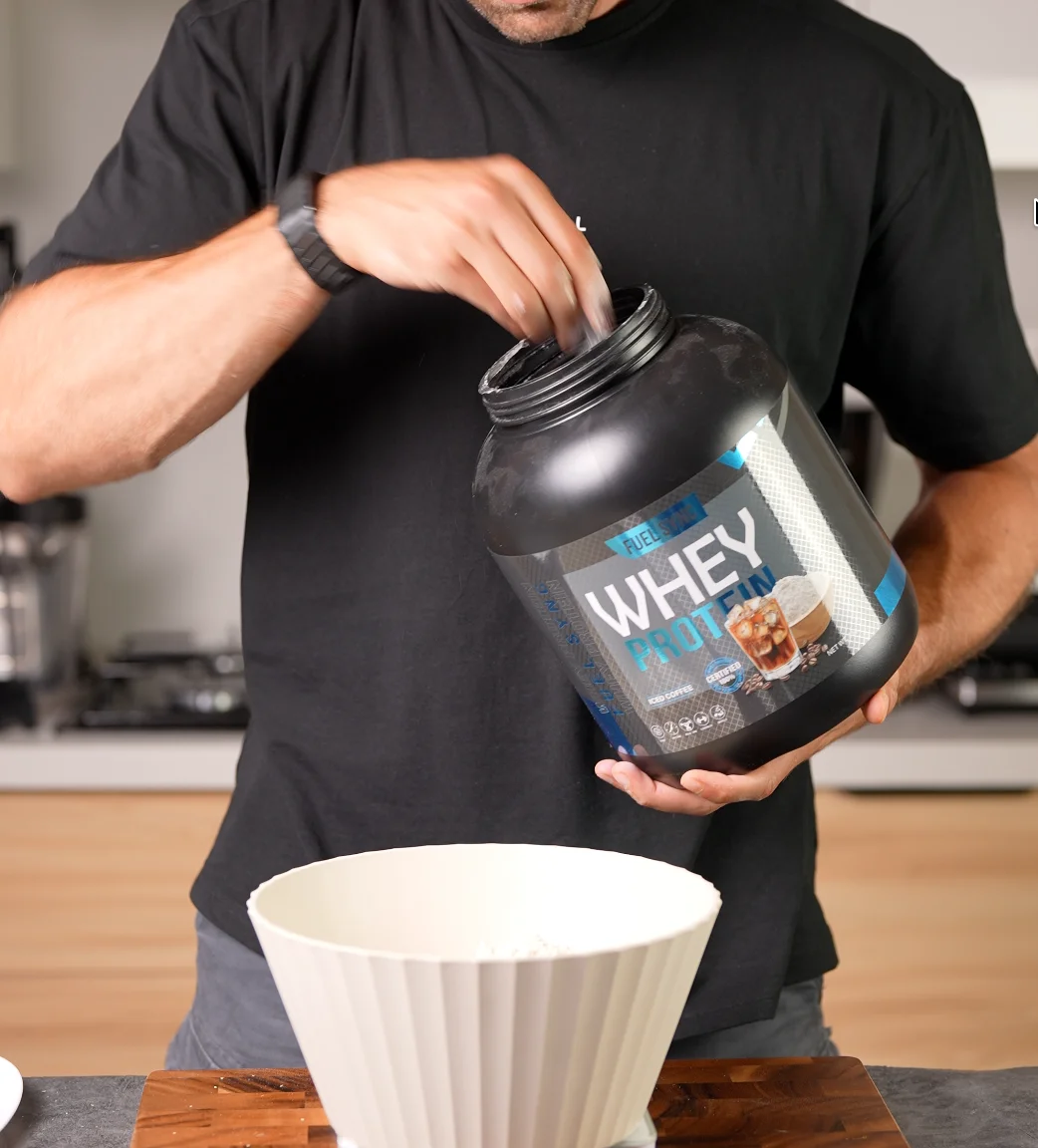
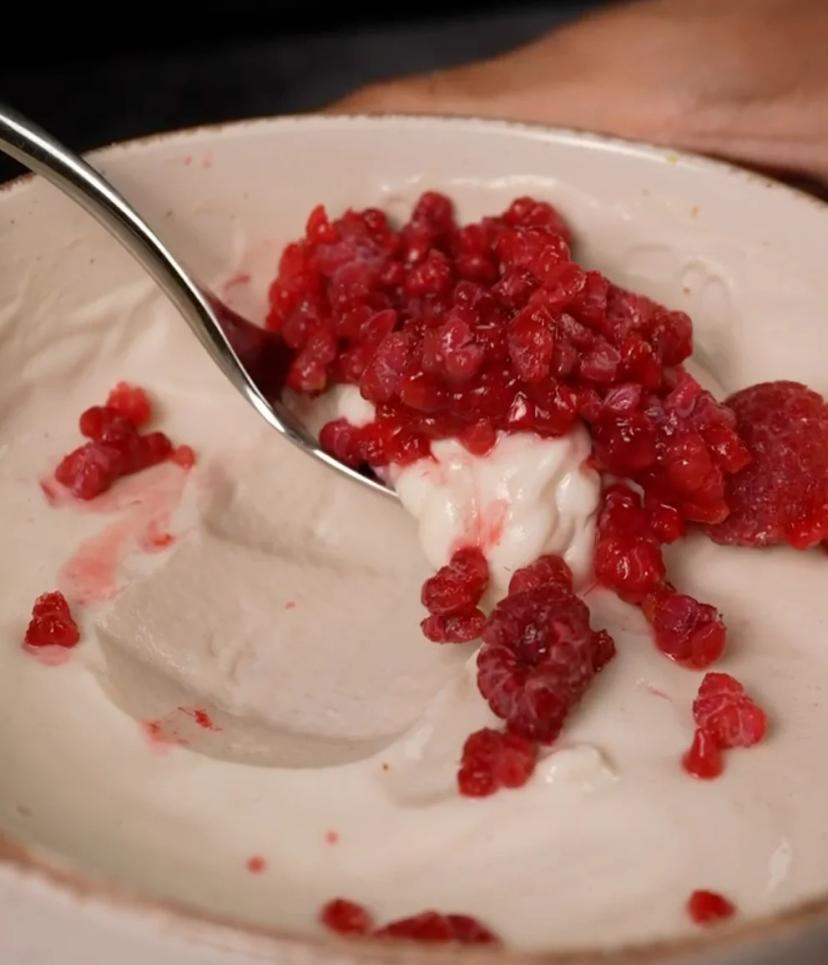
200g of 0% Greek yoghurt whisked with 20g of whey and a handful of frozen berries. I eat this roughly two hours before training. It is light enough that I don't feel heavy in the gym, and 38g of protein for under 200 kcal is about as efficient as a snack gets.
During Training — Electrolytes
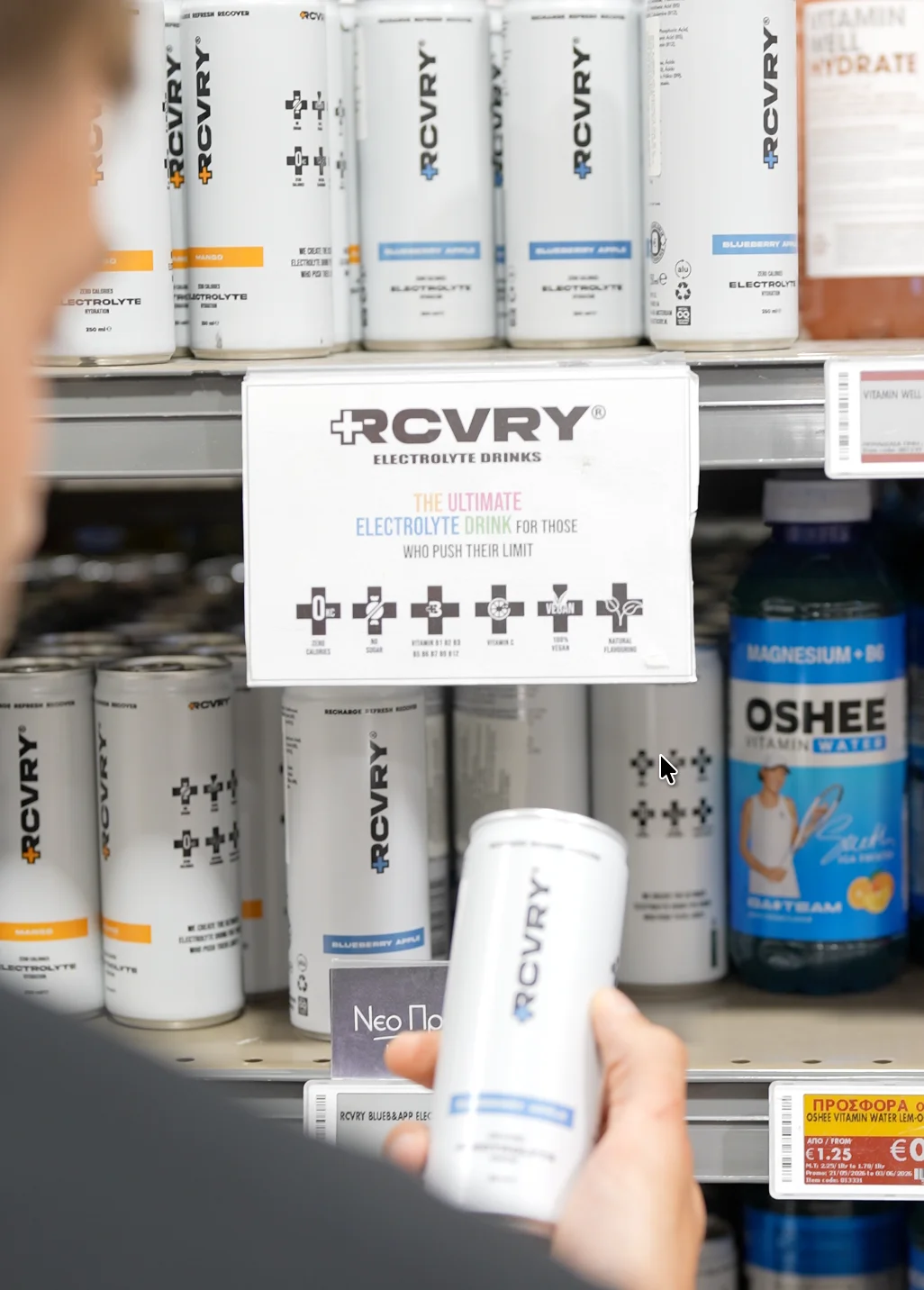
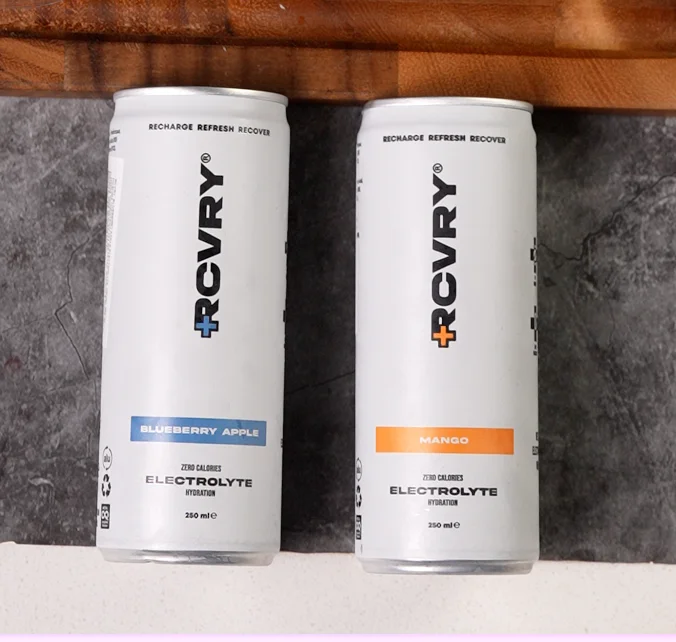
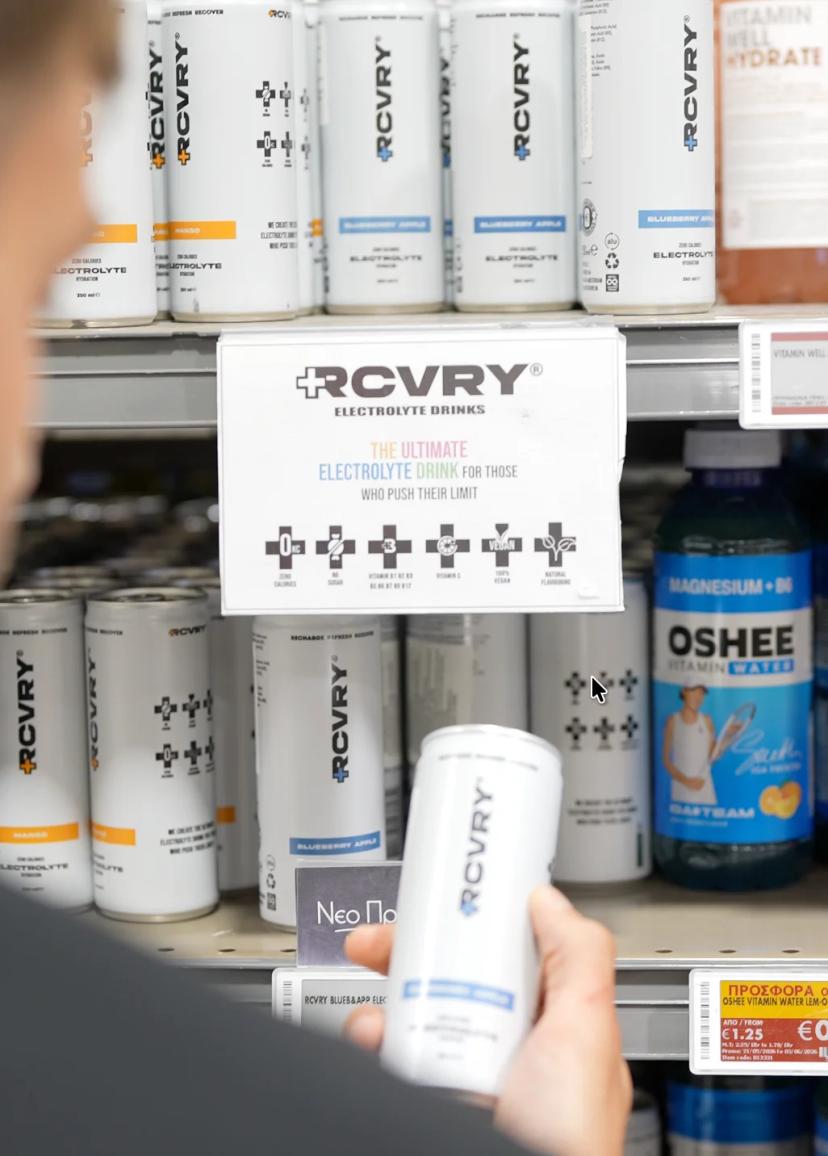
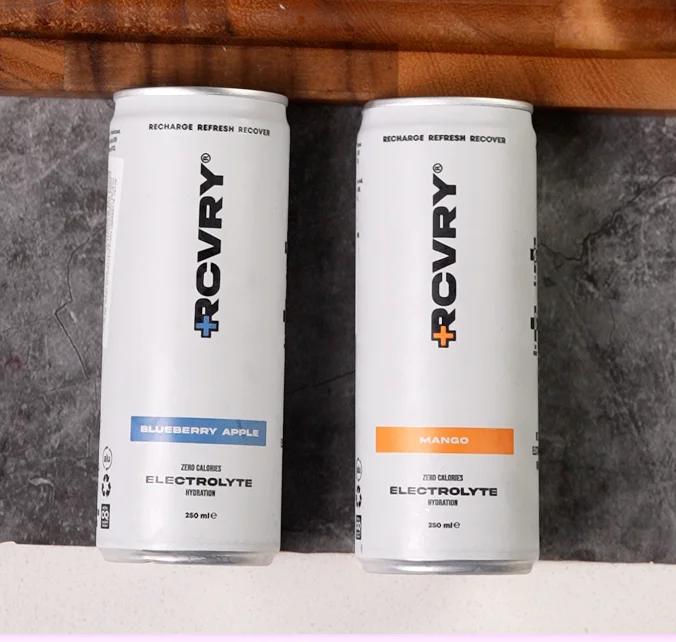
During the session I drink RCVRY electrolytes from Alpha Mega. When you are in a calorie deficit and eating fewer carbs, you lose more water and sodium, and that can show up as low energy and flat workouts. Electrolytes cover your hydration without adding calories worth counting.
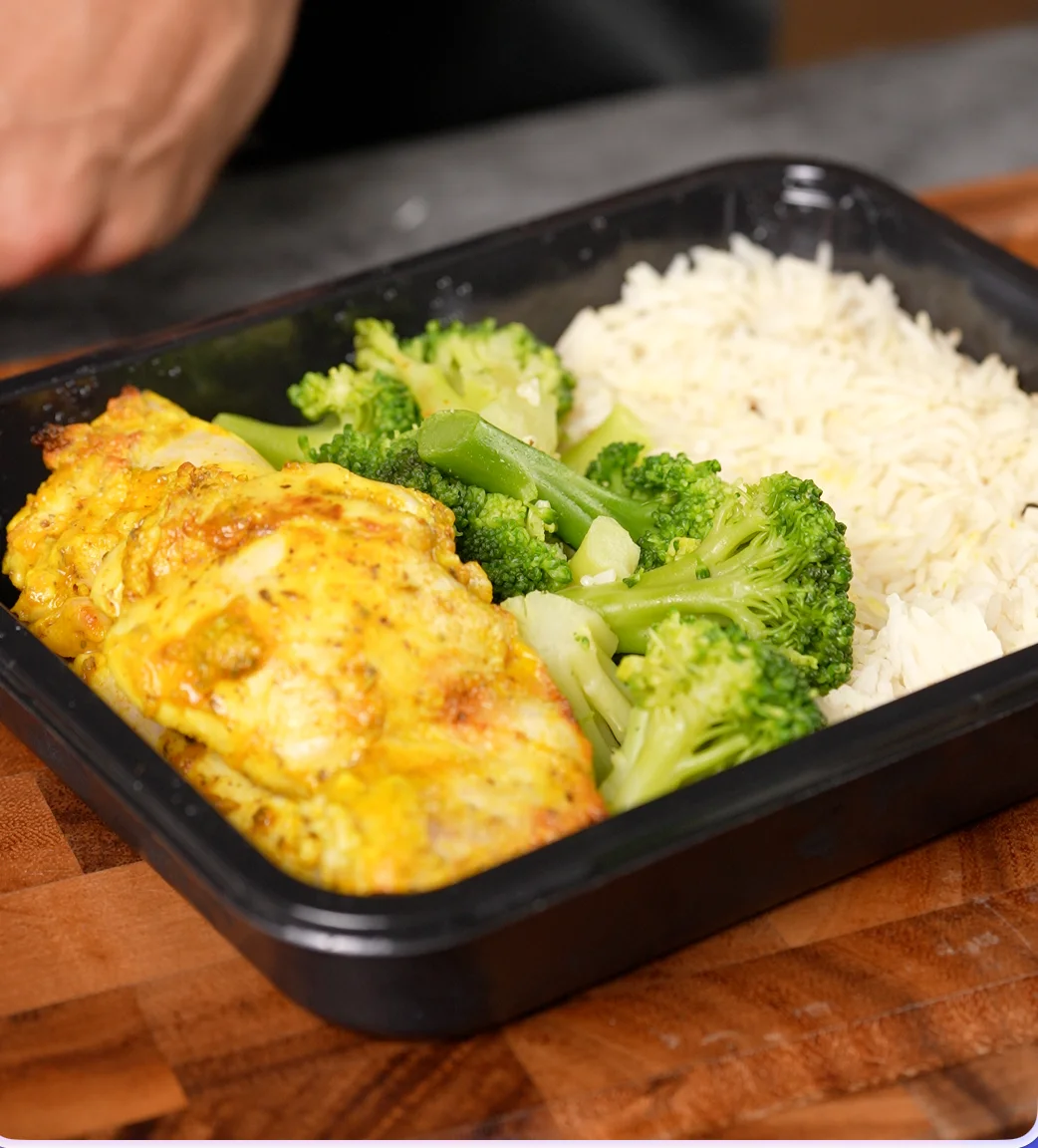
Lunch — Chicken, Rice and Broccoli (614 kcal, 54g protein)
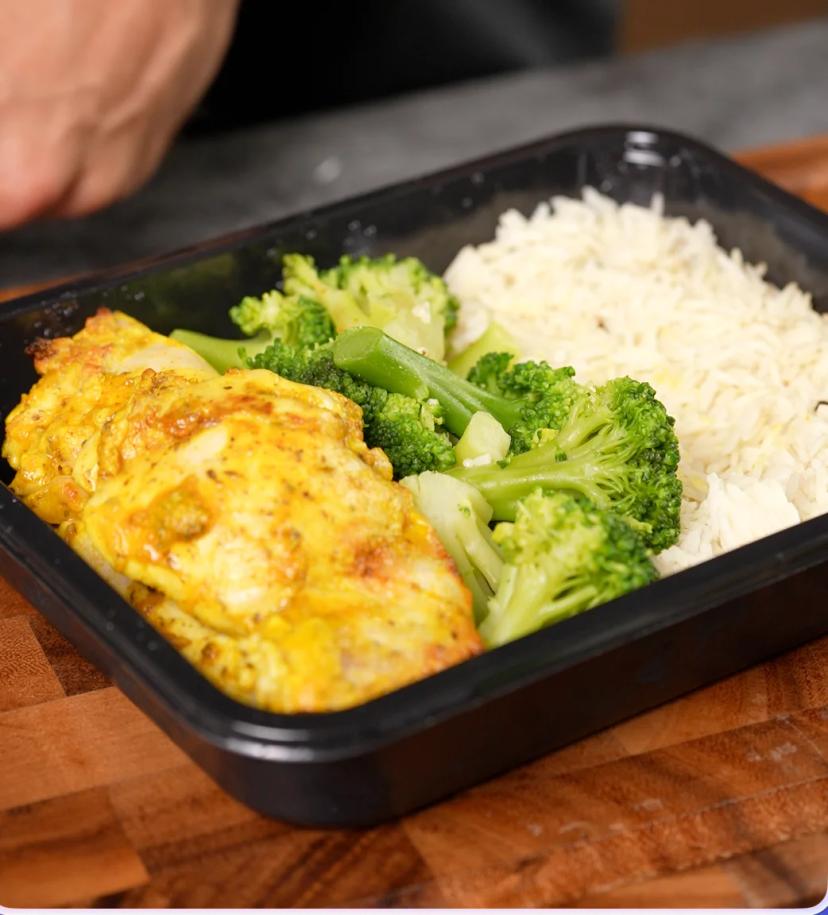
Chicken, rice and broccoli from my Sunday prep, with a zero-calorie BBQ sauce on top. This is the biggest protein hit of the day. The sauce matters more than it looks: it is the difference between chicken you tolerate and chicken you actually want to eat on day four of the week.
For this meal I used the AI meal scanner — one photo of the plate and the app estimates the meal. Because I weighed these portions myself during meal prep, I already know the grams, so the scan is a quick check rather than a guess.

Afternoon Snack — Fruit and a Protein Bar (301 kcal, 17.7g protein)
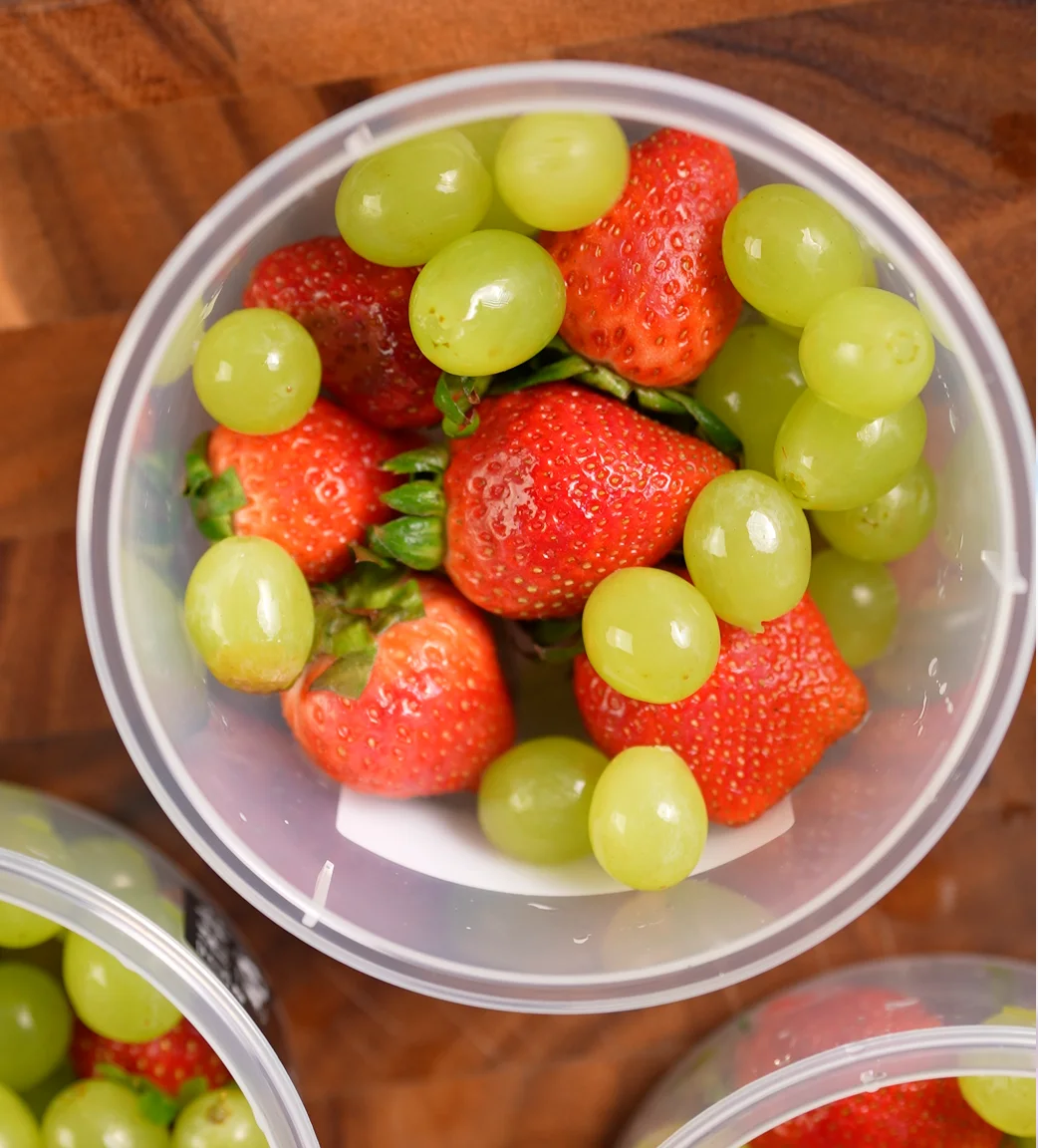
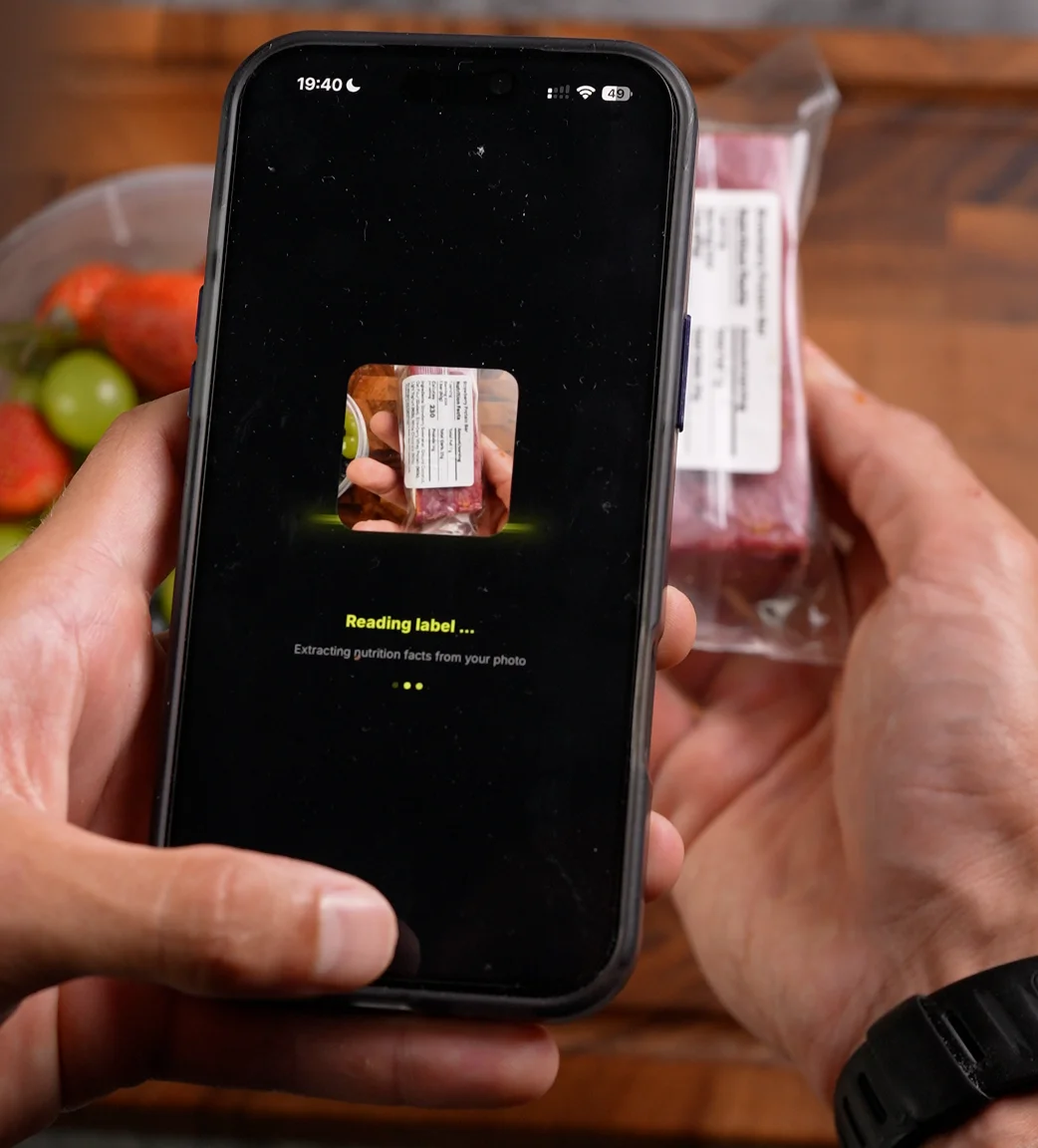
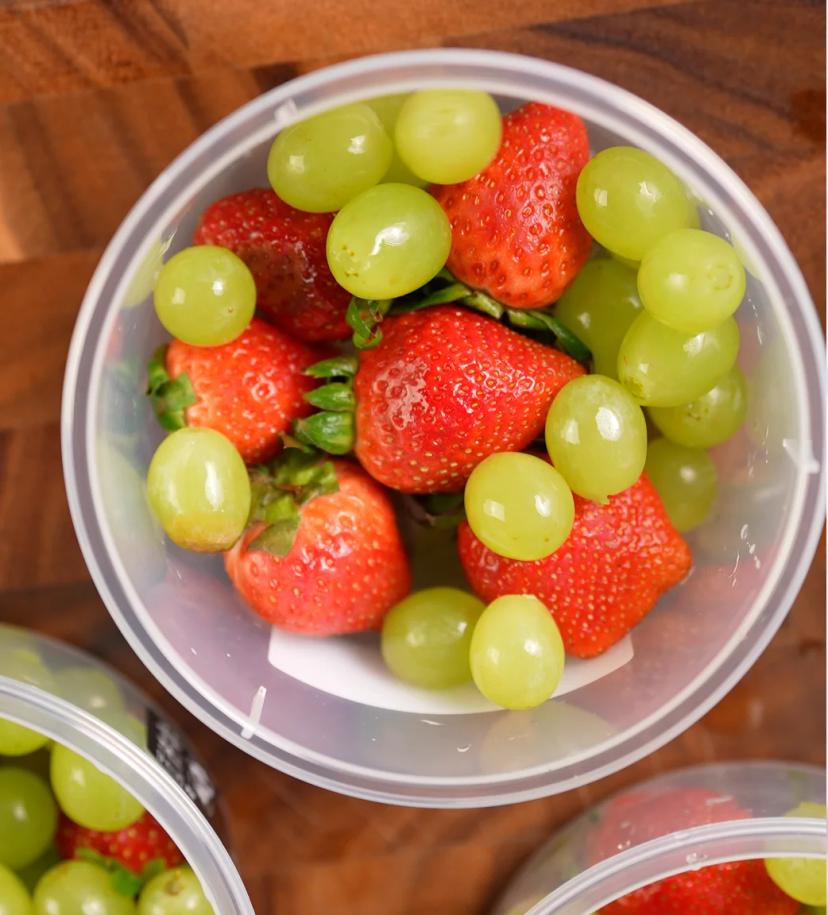
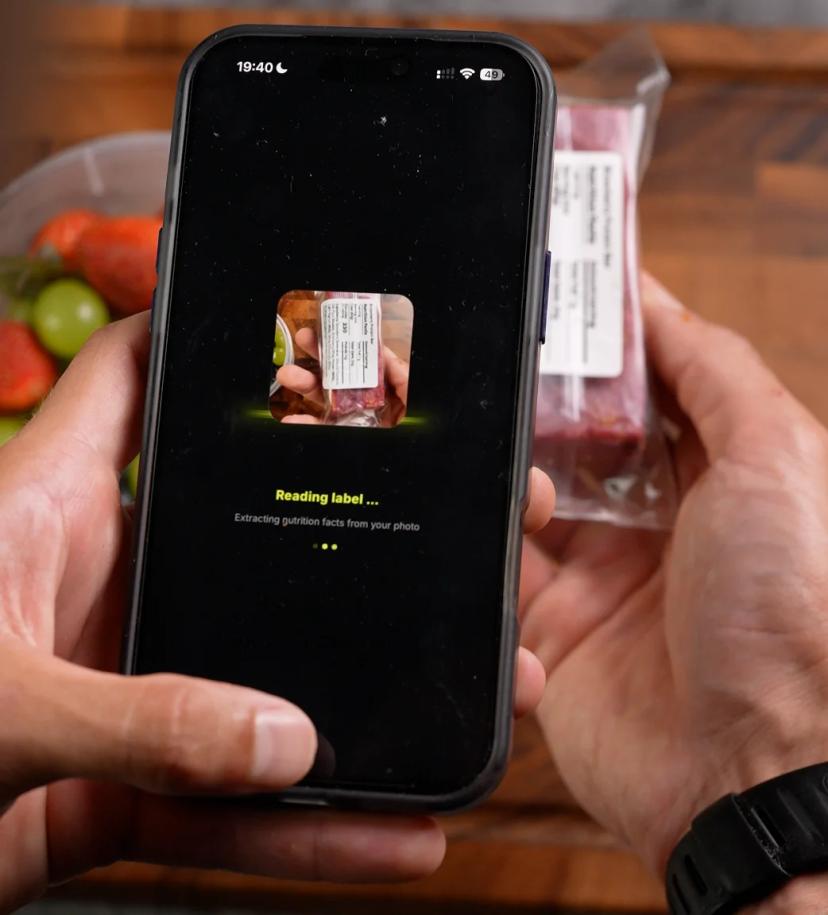
A bowl of fresh fruit — grapes and strawberries — plus a protein bar. This is the easiest meal of my day: no fridge, no prep, eaten wherever I am. I scan the bar's barcode and it logs with the exact values from the packaging.
Dinner — Chicken Burgers and Baby Potatoes (650 kcal, 57g protein)
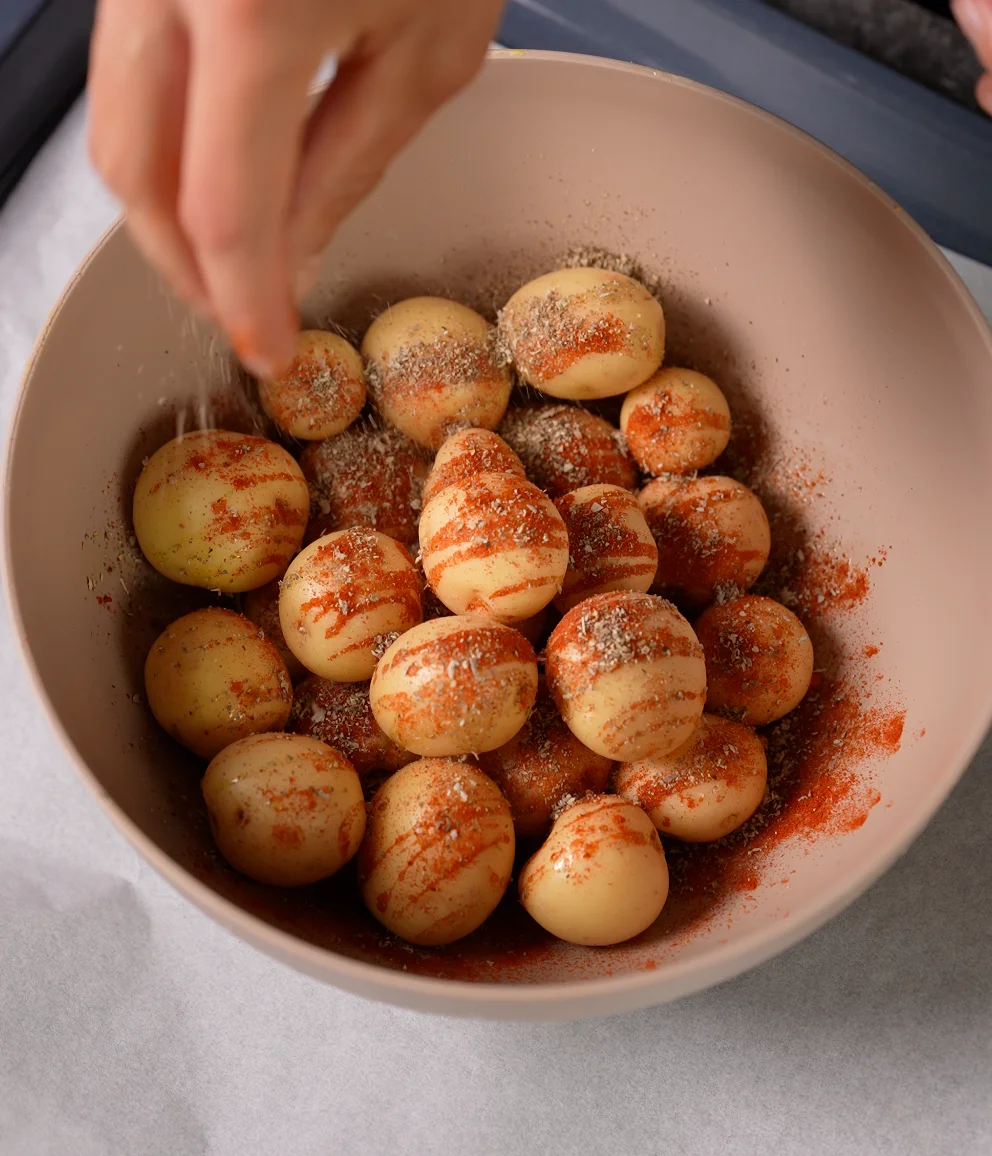
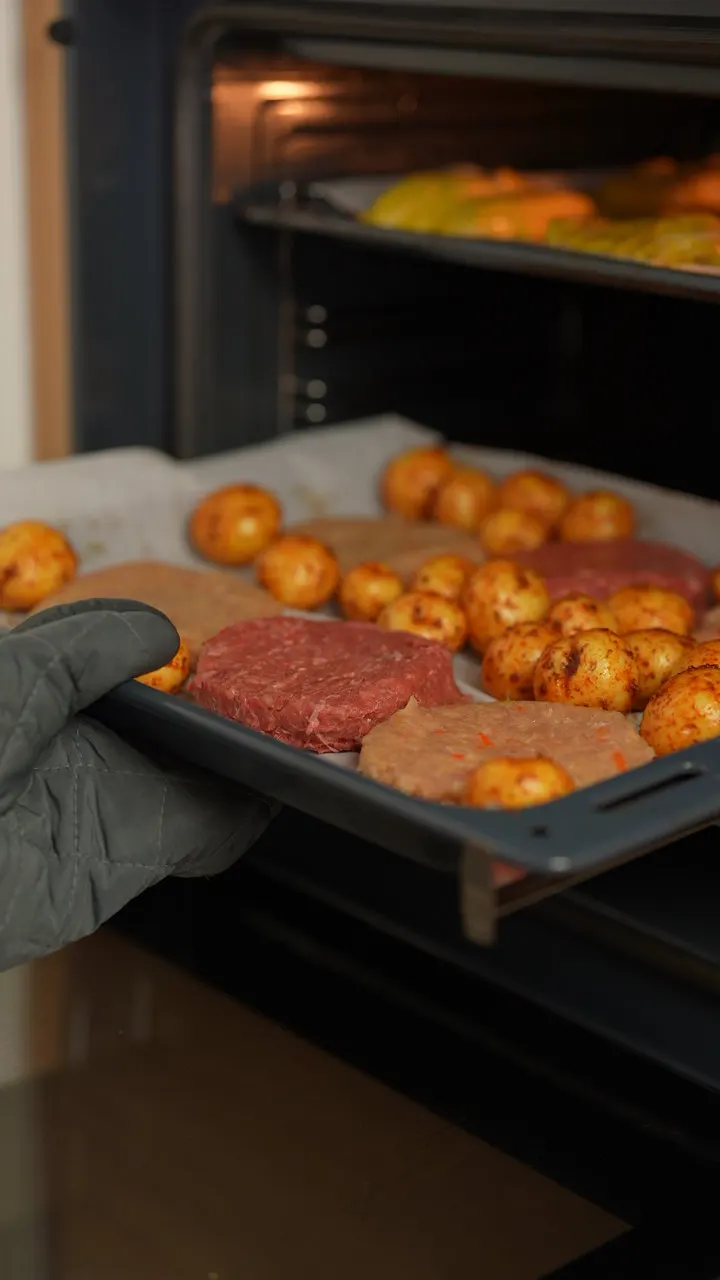
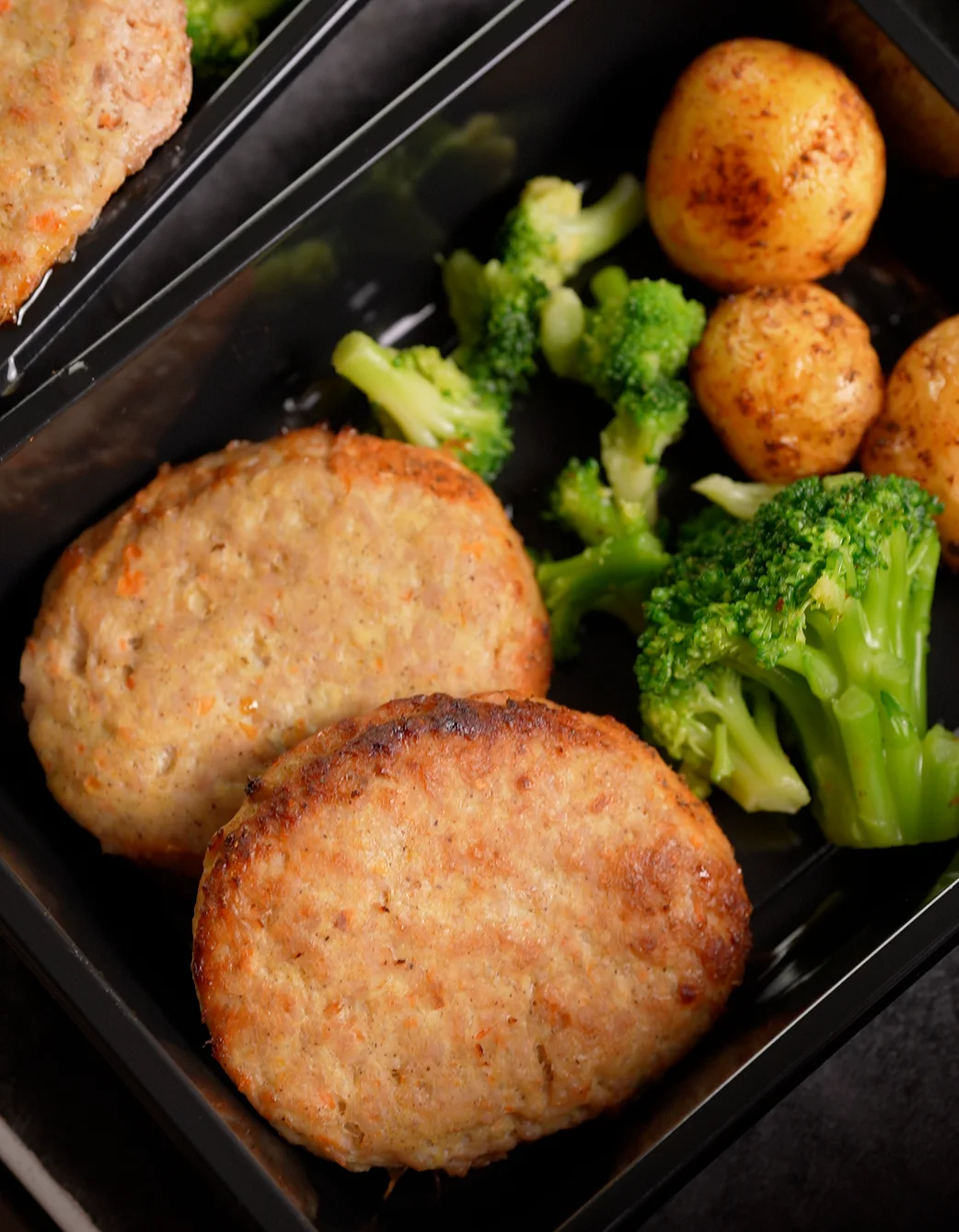
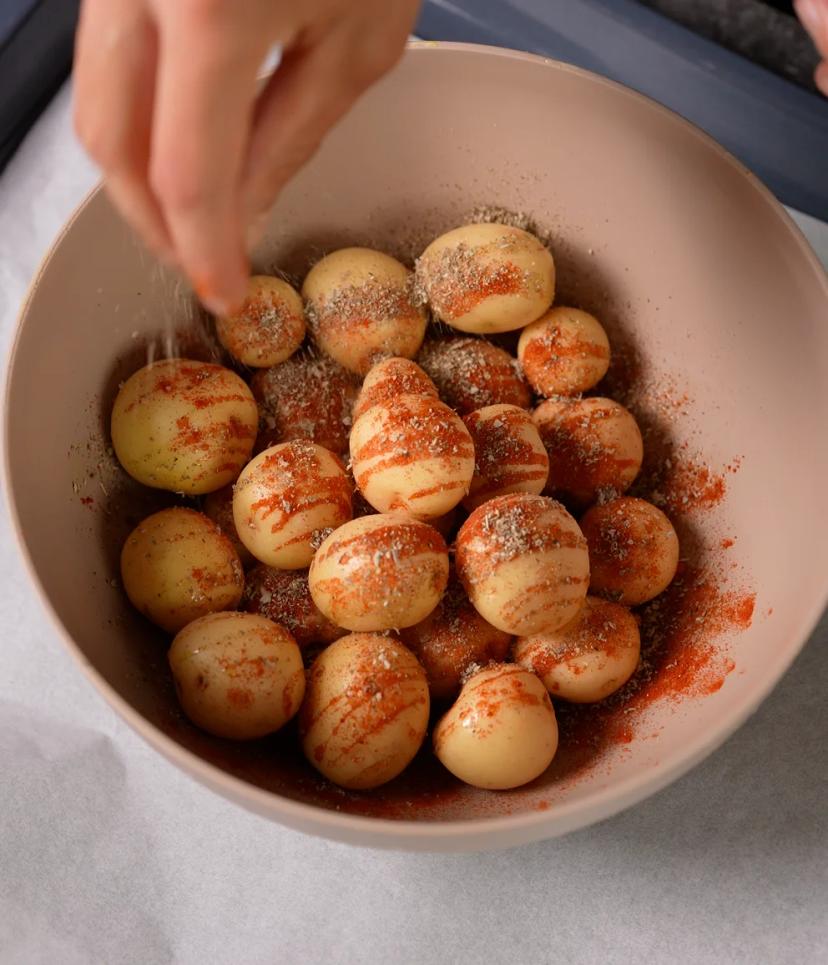
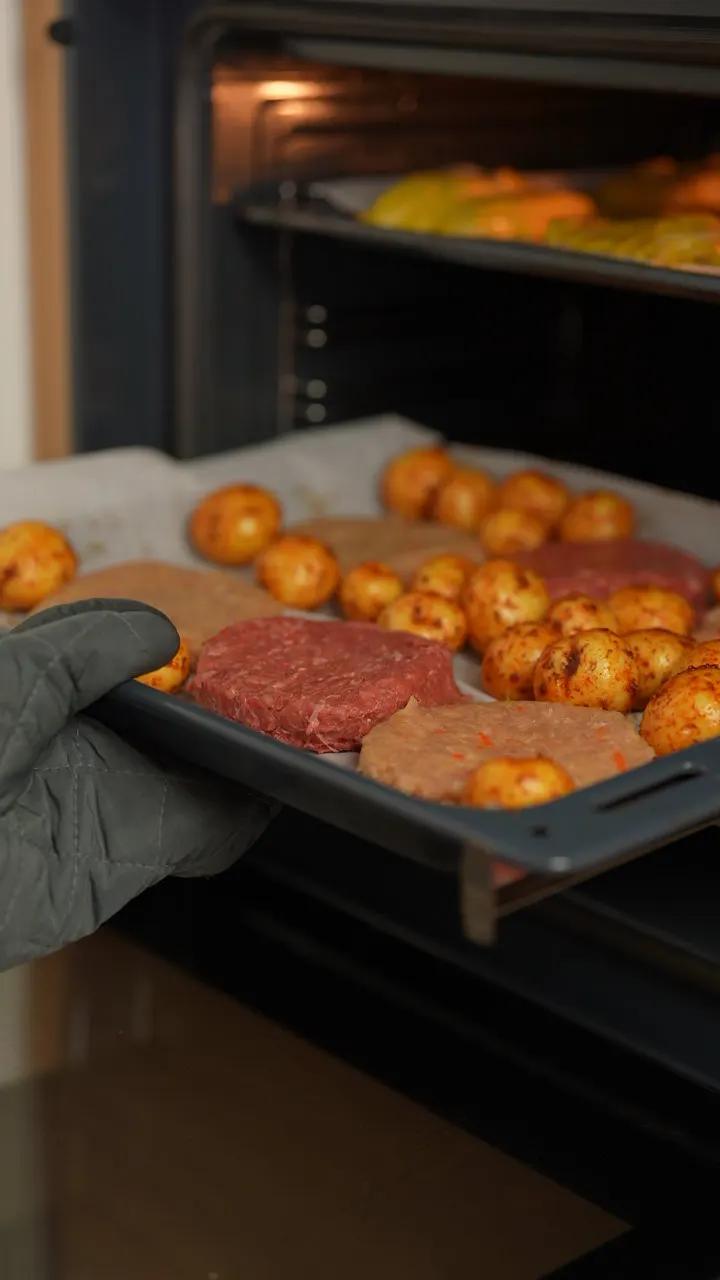
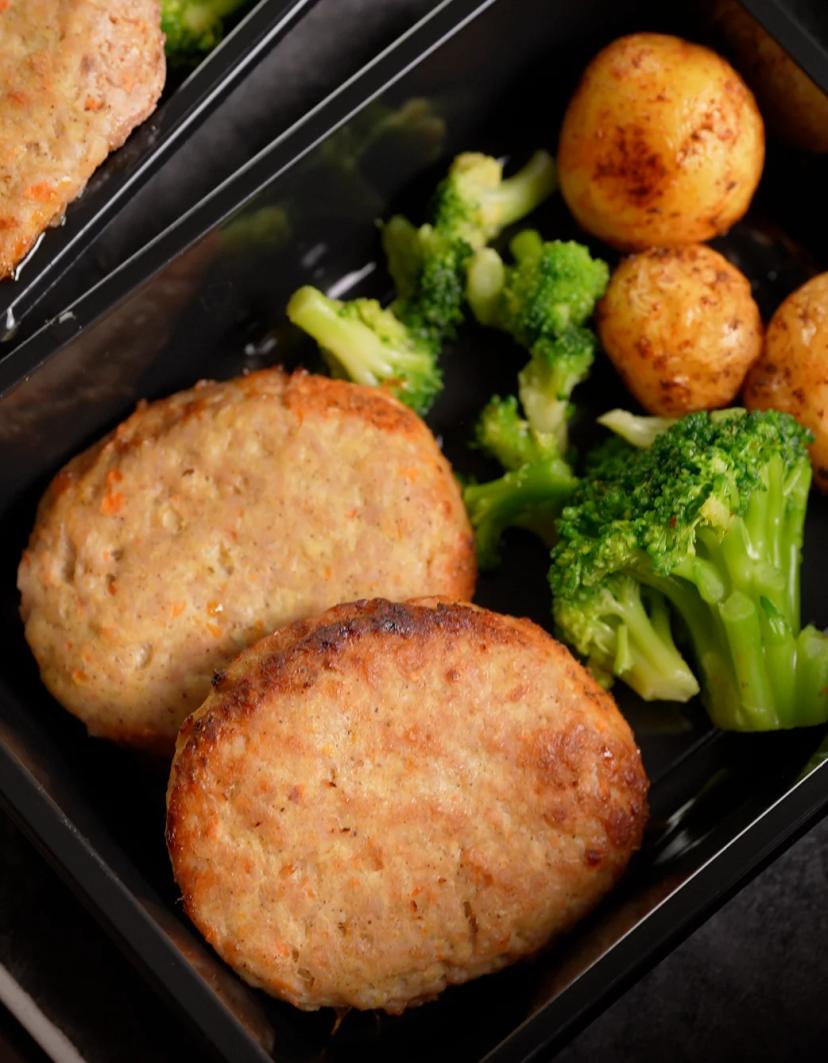
High-protein chicken burgers from Alpha Mega with roasted baby potatoes and vegetables. The burgers are juicy, very low in fat and cook in the same tray as the potatoes, which is why they never leave my weekly prep. Dinner is my biggest meal of the day. I like going to bed full, and there is no reason not to: as we covered in Episode 1, carbs at night do not turn into fat.
One more AI scan over the plate, and the whole day is logged.
Supplements
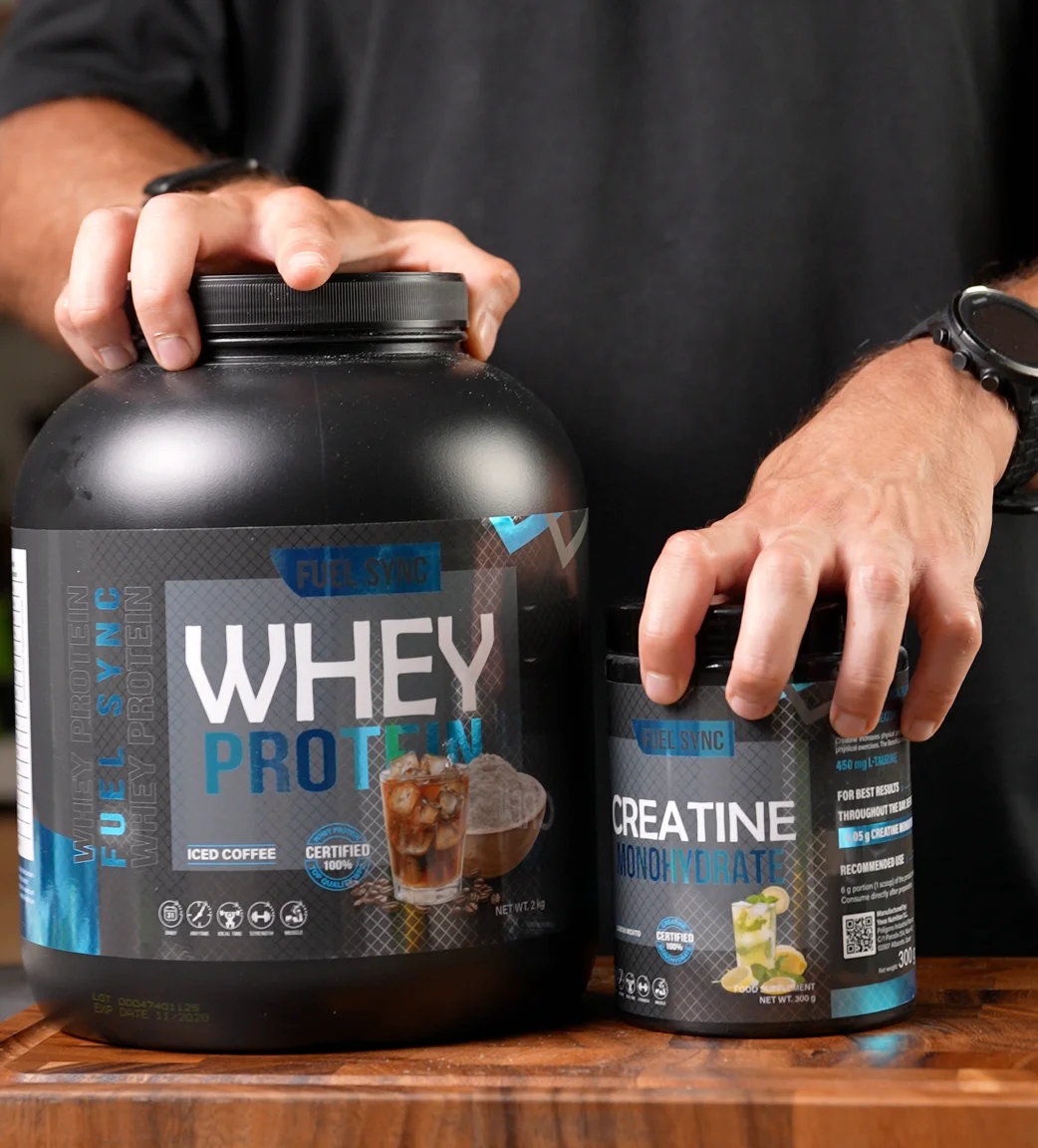
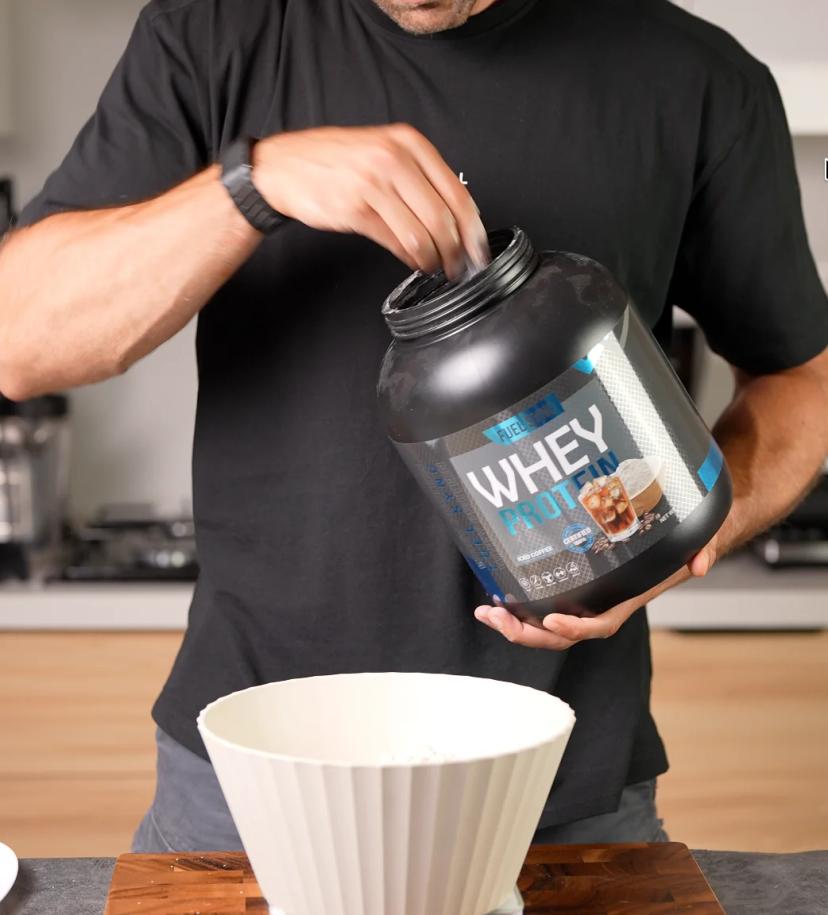
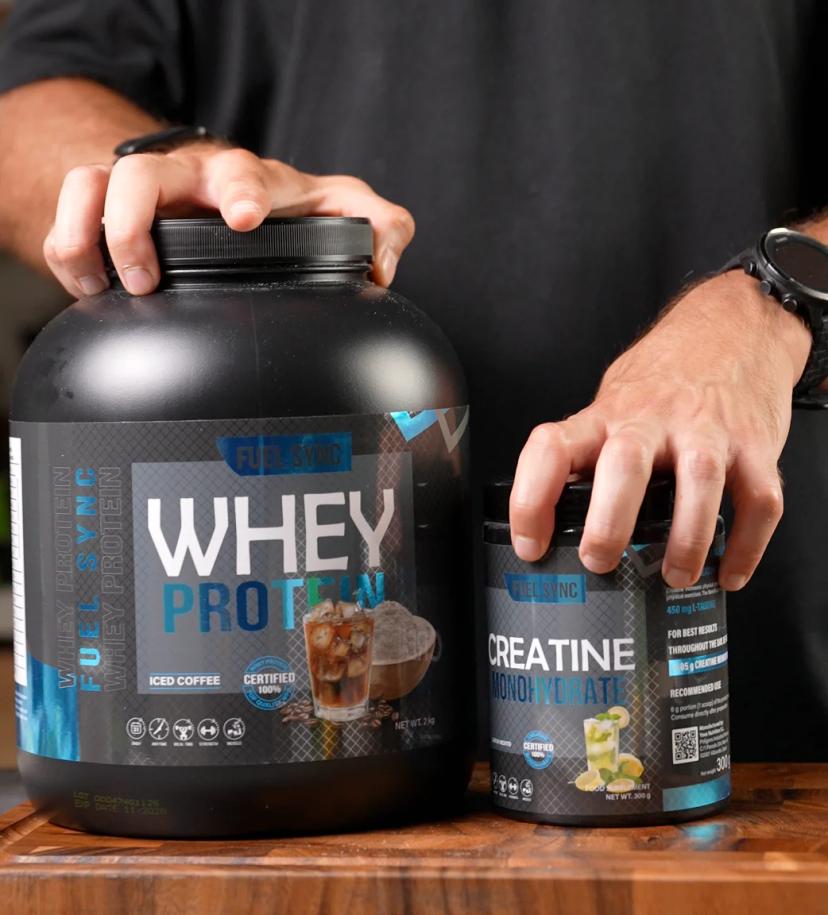
Whey protein and creatine — the only two supplements that never leave my routine. The whey is already counted in my pre-workout snack. Creatine is 3–5g a day, at any time, with no calories worth counting. Episode 11 covers exactly which supplements are worth your money and which are just marketing.
How to Make This Plan Yours
2,000 calories is my number, not a universal one. Before copying the portions, work out your own target:
- Calculate your maintenance calories and subtract 300–500 kcal — the full method is in Episode 2.
- Set your protein at roughly 1.8–2.2g per kg of bodyweight and spread it across four or five meals.
- Keep the structure of this day and scale the portions — mainly rice, potatoes and oats — up or down to hit your total.
- Log every meal for the first week, including sauces and oil.
- Check your weekly average weight after two weeks and adjust by 100–250 kcal if nothing is moving — see Episode 3.
Everything you need for this day is at Alpha Mega — oats, yoghurt, chicken, rice, baby potatoes, the high-protein chicken burgers and the RCVRY electrolytes.
Track It in the DietSync Fitness App
I always log my food so I stay on target and get the protein I need. In one day I used three different ways to log: voice for breakfast, the barcode scanner for the protein bar, and the AI meal scanner for lunch and dinner. None of them took more than a few seconds.
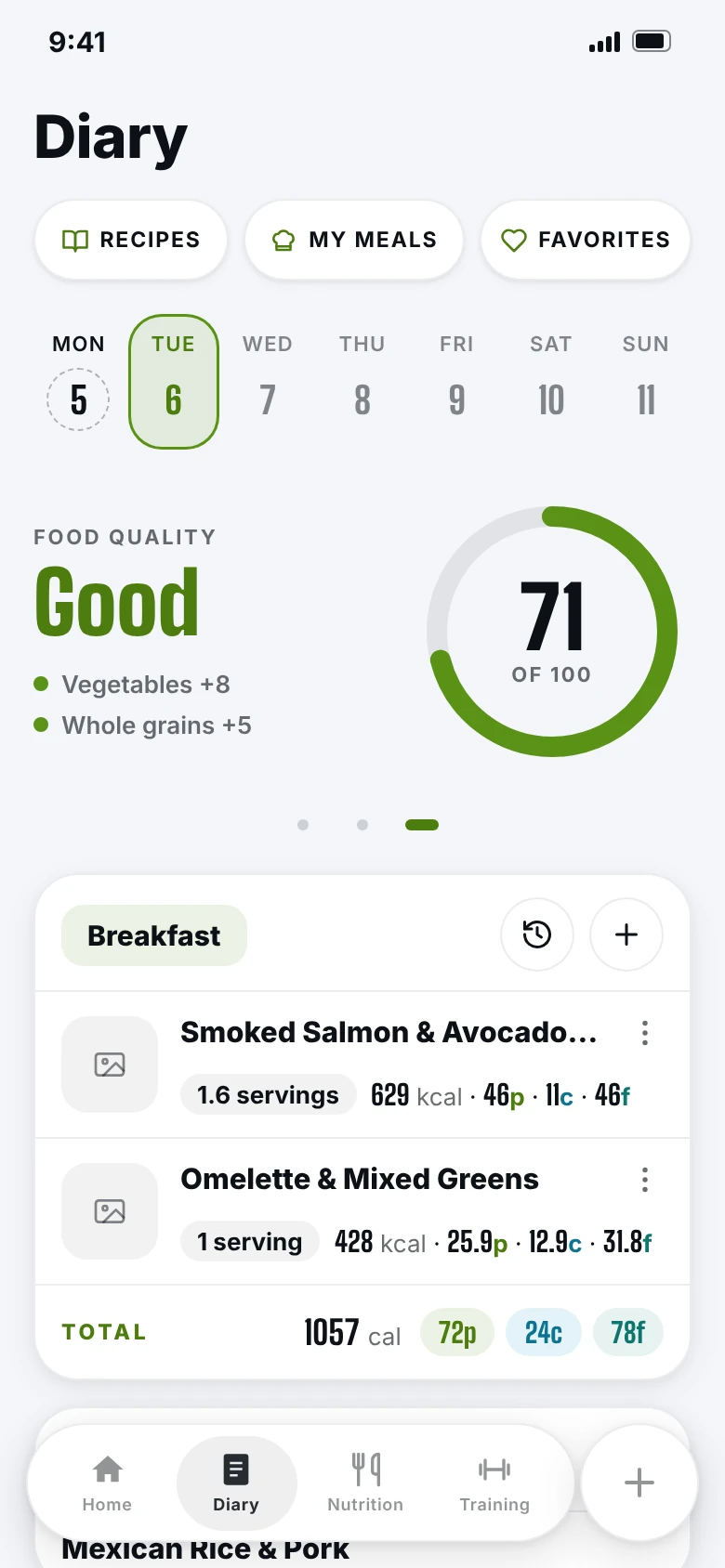
- Calories, macros and a Food quality score for the day
- Breakfast logged by voice, in Greek or English
- The protein bar by barcode, lunch and dinner by photo
Download the DietSync Fitness App to build your own plan and track it the same way.
QUESTIONS
Frequently asked questions
What does a 2,000 calorie meal plan for men look like?
Five meals: overnight oats, Greek yoghurt with whey before training, chicken with rice and broccoli, fruit with a protein bar, and chicken burgers with baby potatoes. 2,053 kcal and 193 g of protein.
Is 2,000 calories enough to lose fat for men?
For most men who train, yes: it is usually 300–500 kcal under maintenance. Check your weekly average weight for two weeks; if it drops 0.3–0.7 kg a week, it is right for you.
How much protein should men eat when cutting?
1.8–2.2 g per kg of bodyweight. This day has 193 g, enough for a man of up to about 100 kg.
Can I eat carbs at night while cutting?
Yes. Dinner here has 57 g of carbs. Total calories across the day decide fat loss, not the time you eat carbs.
What supplements do I need on a 2,000 calorie diet?
Only whey protein, to reach your protein target, and creatine, 3–5 g a day. The whey is already counted in the pre-workout snack.