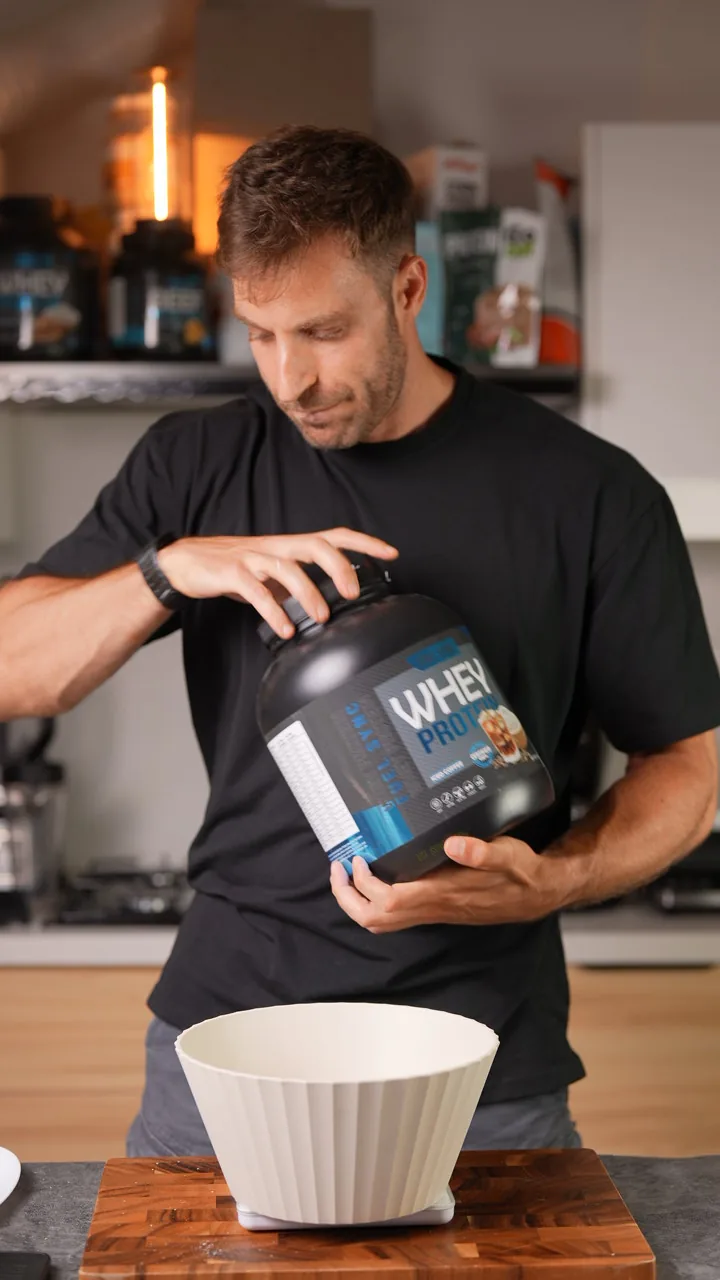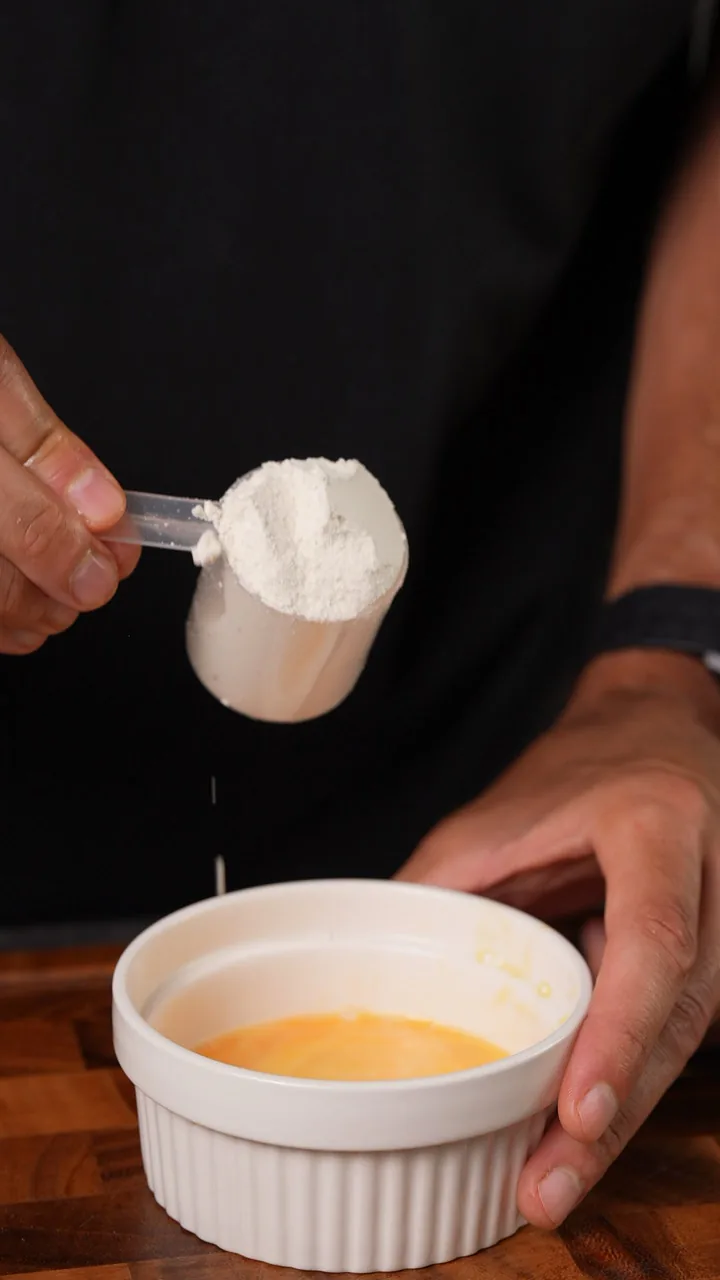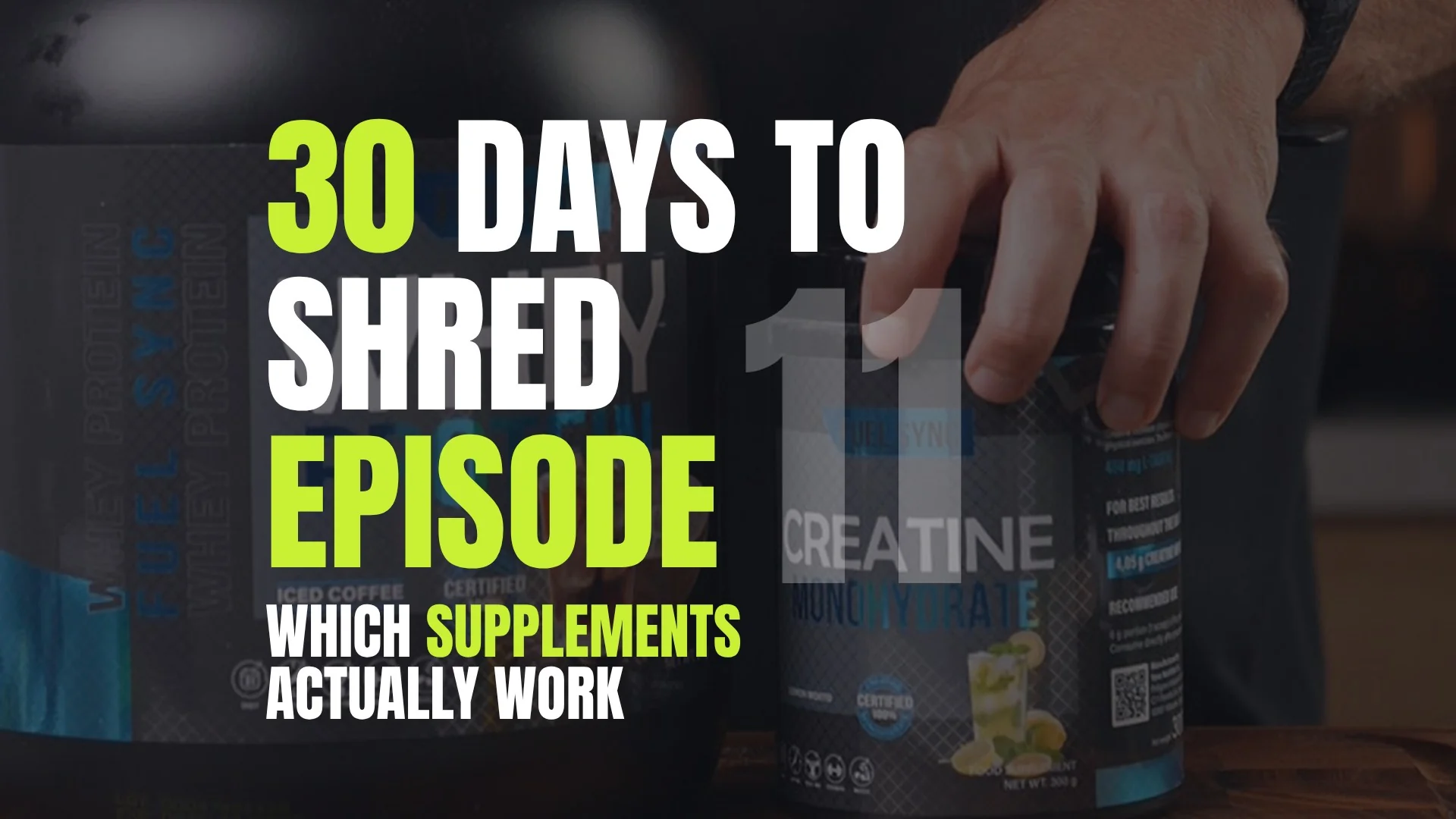
If I had to choose one supplement, it would be creatine. It costs around €25 a month, and it is one of the very few products in the supplement aisle backed by decades of solid research.
Before we go through the rest, one thing needs to be clear: supplements are the last 5% of the puzzle. If your calories, your macros or your training are not right, no supplement will save you.
In short
- Supplements are the last 5%: they can’t fix calories, protein or training.
- Creatine is the one to buy: 3–5 g every day, around €25 a month, backed by decades of research.
- Protein powder helps if you can’t reach 1.8–2.2 g of protein per kg from food.
- Omega-3, vitamin D and magnesium depend on your diet; fat burners, glutamine and weight gainers are a waste of money.
Supplements Are the Last 5%
In Episode 1 we introduced the Nutrition Pyramid: energy balance at the base, then macronutrients, micronutrients, nutrient timing and — at the very top — supplements. Most people build it upside down. They spend €200 a month on powders and pills while their daily calories are completely off.
Get the base right first. Once your calories, protein and training are in place, the right supplements make life easier. That is all they do.
Creatine — Recommended 100%
There is no reason not to take it. Creatine increases strength and training performance and supports recovery, and it is one of the most researched supplements in the world.
- Dose: 3–5g a day.
- Timing: any time of day. Consistency matters, timing doesn't.
- Cost: around €25 a month.
One thing worth knowing: when you start, creatine pulls a little extra water into your muscles, so the scale may go up slightly in the first weeks. That is water, not fat — and it is exactly why you judge progress by your weekly average, as we covered in Episode 3.
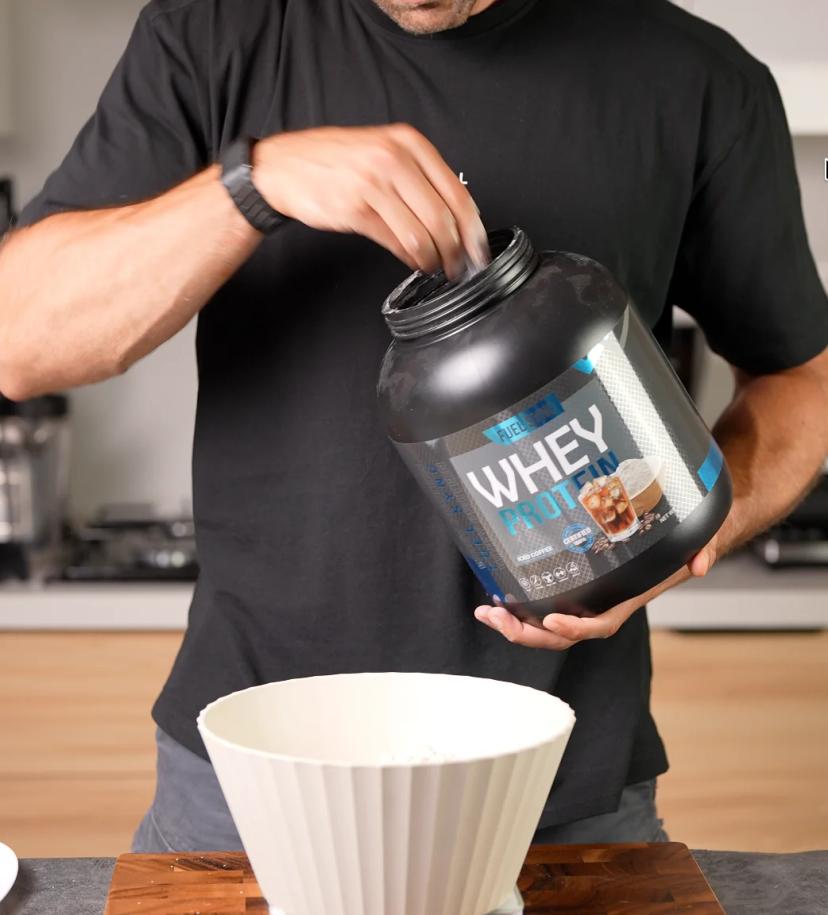
Protein Powder — Useful for Almost Everyone
Not because it is magic, but because it makes hitting your protein target easy. Most people trying to lose fat need around 1.8–2.2g of protein per kg of bodyweight, and reaching that from food alone every single day is hard work.
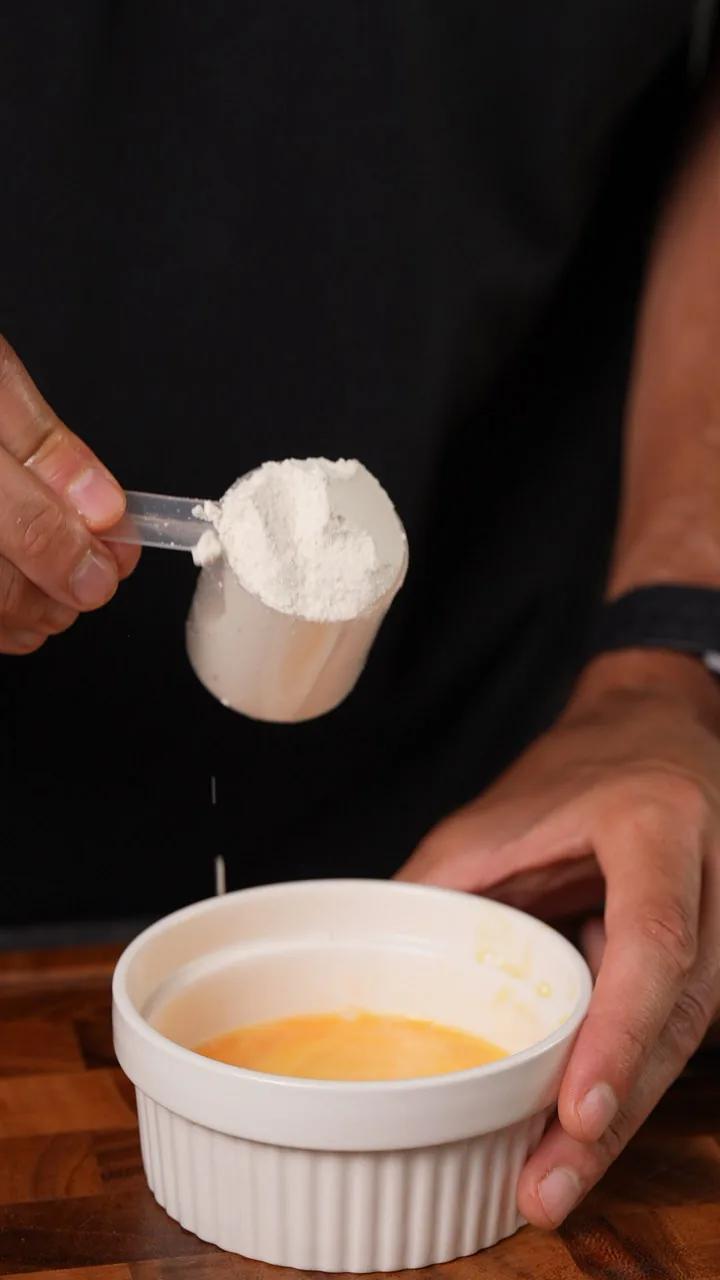
Protein powder is often cheaper per gram of protein than food, and it opens up quick recipes: protein pudding, overnight oats, protein brownies and more. I showed ten of them in Episode 6. That said, always prefer real food where you can — powder fills the gaps, it does not replace meals.

EAAs — Situational
Essential amino acids are useful mainly during a cut, when you train fasted. They help protect muscle mass when calories are low. If you eat before training and hit your daily protein, you don't need them. They come last on the priority list.
Omega-3, Magnesium and Vitamin D — It Depends on Your Diet
These can be useful, but whether you need them depends on what you already eat. If you don't eat oily fish — salmon, sardines, mackerel — at least twice a week, omega-3 is worth adding. For vitamin D and magnesium, a blood test tells you far more than a guess. Living in a sunny country does not guarantee healthy vitamin D levels.
What to Avoid
- Fat burners — a waste of money. The calorie deficit burns fat, a pill does not.
- Glutamine — a waste of money for the average gym-goer.
- Weight gainers — most are sugar and cheap carbs. If you need extra calories, blend oats, milk and whey at home for a fraction of the price.
The Honest Ranking
| Priority | Supplement | Verdict |
|---|---|---|
| Essential | Creatine | 3–5g daily, any time |
| Essential | Protein powder | To hit your protein target |
| Situational | EAAs | Fasted training in a cut |
| Situational | Omega-3, magnesium, vitamin D | Depends on your diet |
| Skip | Fat burners, glutamine, weight gainers | Waste of money |
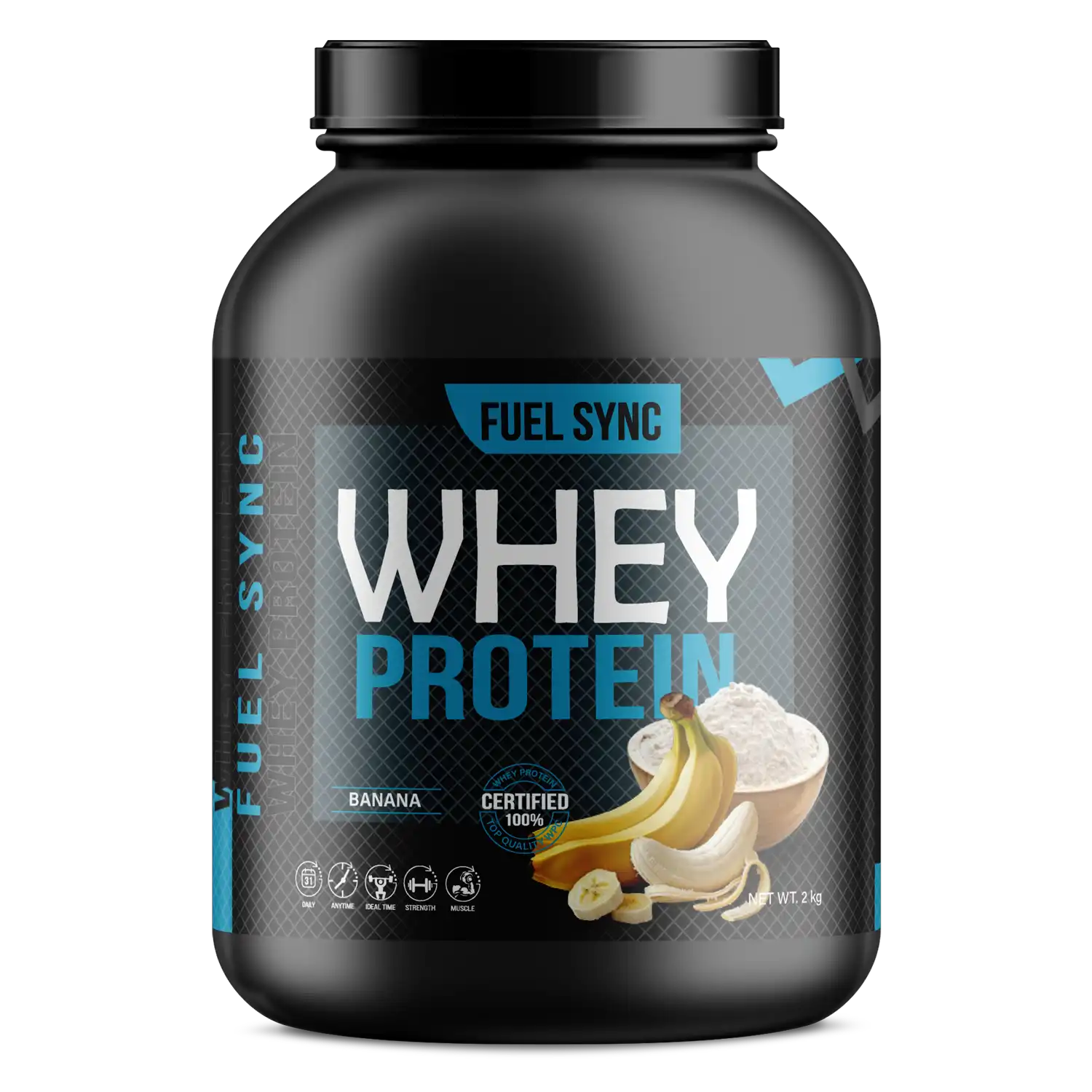
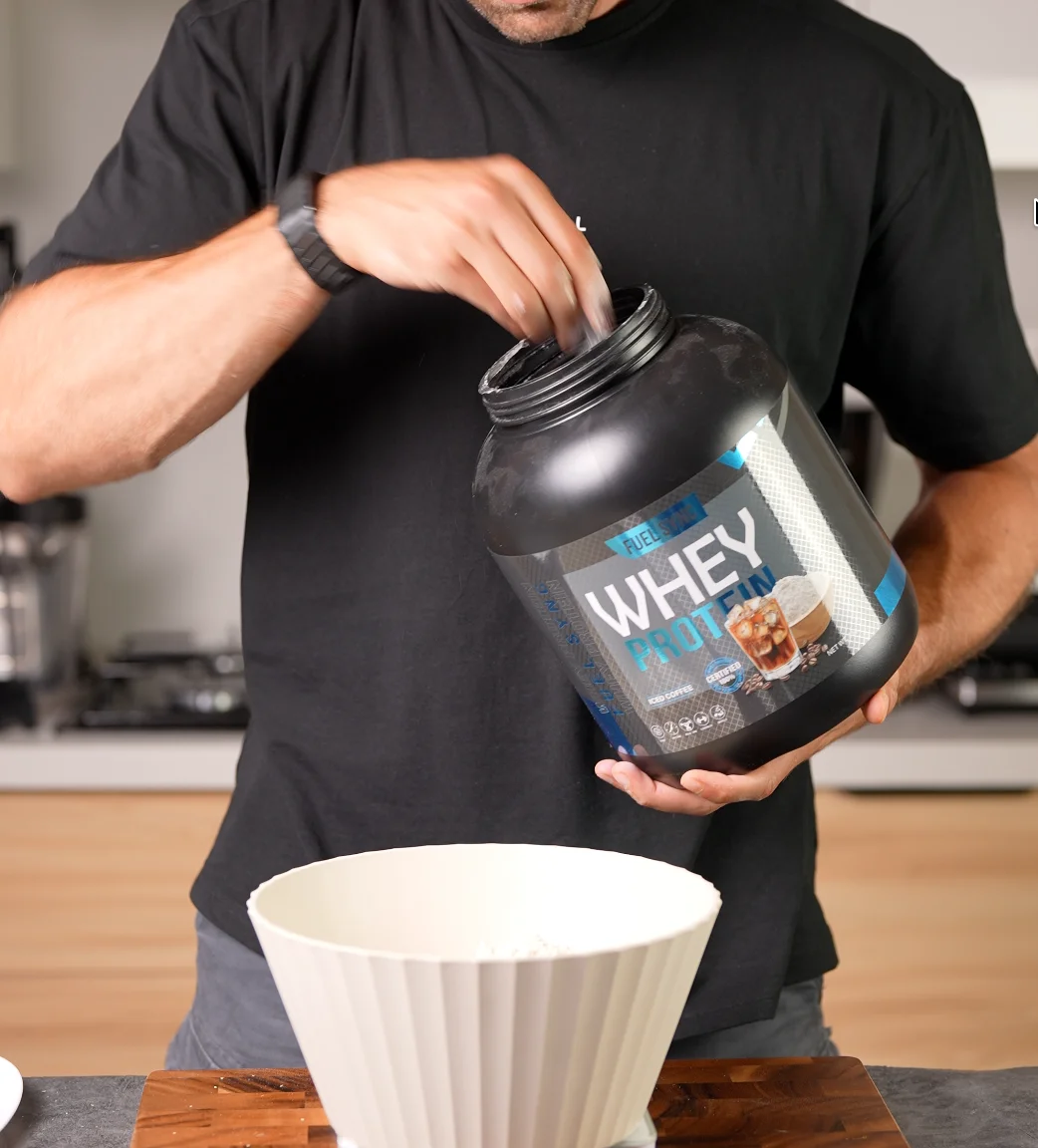
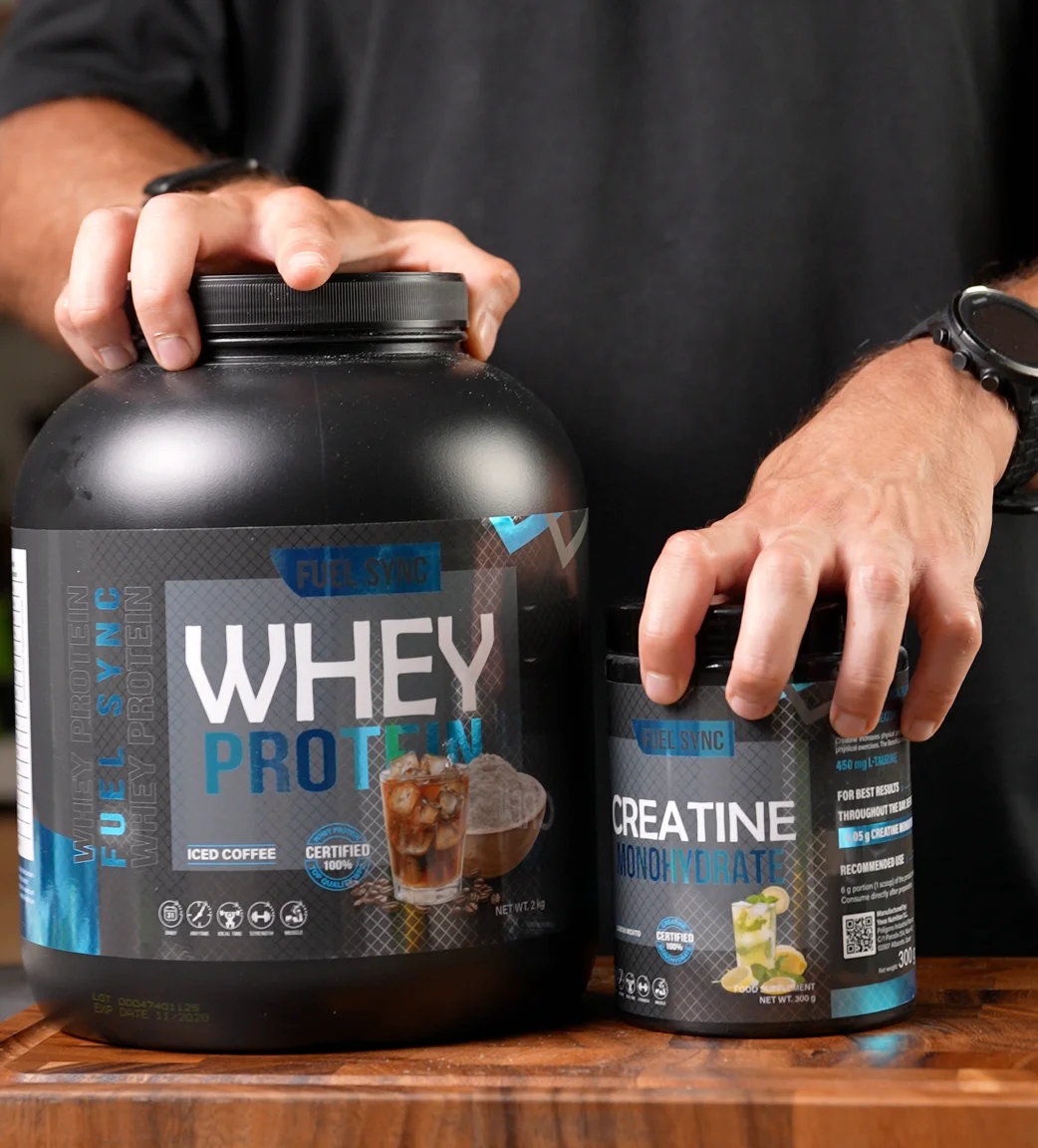
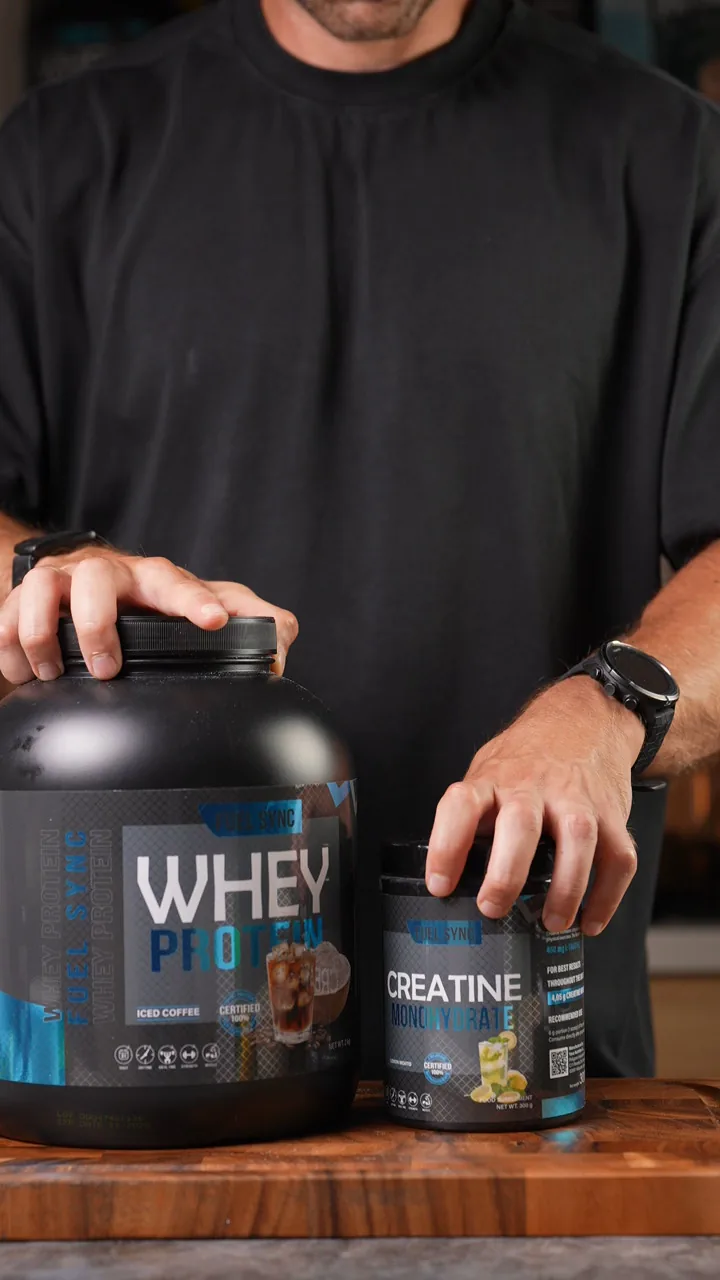
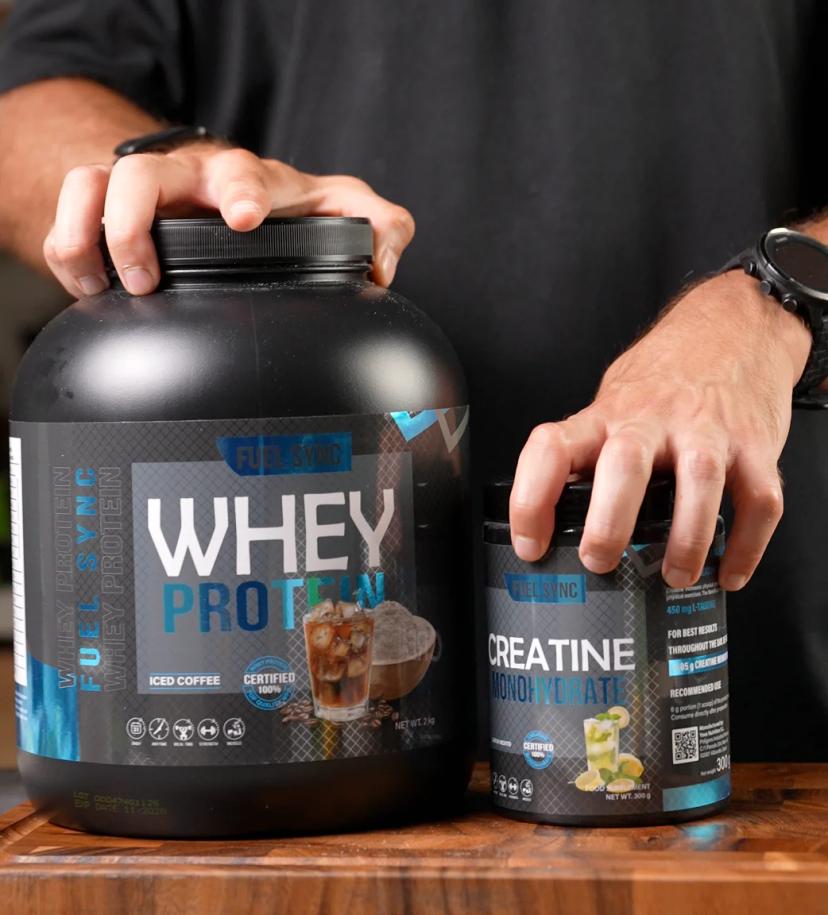
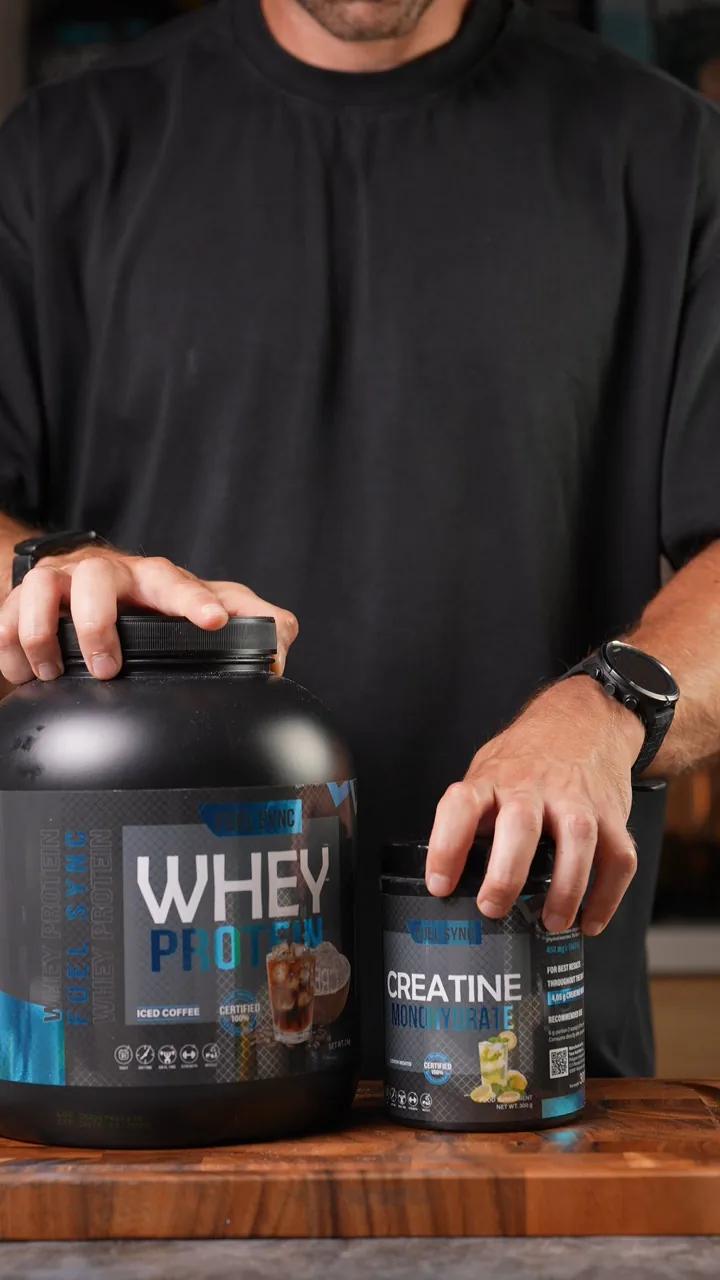
For the record, I use Fuelsync for my whey and creatine — the same two products I would recommend to anyone starting out. If you have a medical condition or take medication, check with your doctor before adding any supplement.
How I Would Spend a Supplement Budget
If you want a simple rule, buy in this order and stop when the budget runs out:
- Creatine first — around €25 a month for the biggest proven effect per euro.
- Protein powder second — only if your food log shows you regularly fall short of your protein target.
- Omega-3 third — only if you rarely eat oily fish.
- Everything else last — and only for a specific reason, such as a blood test result or fasted training.
A few practical notes on creatine: take it every day, rest days included, because it works by building up in your muscles over time. Mix it into water, coffee or your protein shake — wherever you will remember it. A loading phase is optional; 3–5g a day gets you to the same place in about three to four weeks.
Track Your Protein Before You Buy Anything
The only way to know whether you even need protein powder is to see how much protein you already eat. Log a normal week in the DietSync Fitness App and the answer is right there in your daily totals.
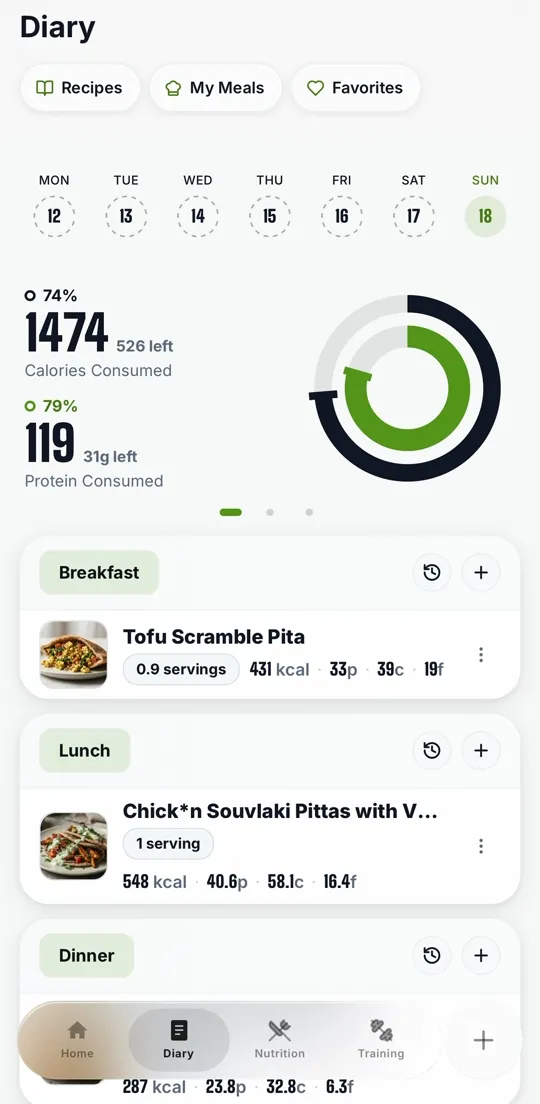
- Calories and protein rings in your Diary
- Log a normal week and the answer is in your daily totals
- Scan your shake’s barcode and it counts
QUESTIONS
Frequently asked questions
Which supplements actually work?
Creatine is the one with the strongest evidence. Protein powder is useful if you can’t hit your protein from food. Omega-3, vitamin D and magnesium depend on your diet. Most of the rest is marketing.
What is the best supplement for fat loss?
None burns fat for you: the calorie deficit does. Creatine and protein powder help you keep muscle and strength while you diet.
When should I take creatine?
Any time of day, every day, rest days included: 3–5 g mixed into water, coffee or your shake. A loading phase is optional.
Does creatine make you gain weight?
It pulls a little extra water into your muscles, so the scale may go up slightly in the first weeks. That is water, not fat.
Are fat burners worth it?
No. They are a waste of money. The calorie deficit burns fat, a pill does not.
Do I need protein powder to build muscle?
No, but it makes it easier. If you reach 1.8–2.2 g of protein per kg from food, you don’t need it.