You calculated your calorie target in Episode 2. You learned how to verify it using the weekly average in Episode 3. But there is a step that connects both of these that most people underestimate entirely: the accuracy of what actually gets logged.
A calorie target is only as useful as the tracking behind it. If you are logging 1,800 kcal but actually eating 2,300 kcal, the target is irrelevant — you are not in the deficit you think you are, and the scale will tell you this in the cruelest way possible: it will not move, and you will blame the method instead of the tracking.
This episode is about building tracking habits that give you data you can actually trust.
In short
- Most people underestimate what they eat by 20–50%, so the deficit they think they have isn’t there.
- The big leaks: cooking oil (about 120 kcal a tablespoon), sauces, drinks, weekends and bites while cooking.
- Weigh food raw, use a kitchen scale and pick the right database entry.
- Track for 30 days and your eye learns portions; the app’s barcode, photo and voice logging make it take seconds.
Why Tracking Matters Most at the Start
Food tracking is not something you need to do forever. It is a skill you build at the beginning to learn what foods actually contain, what your portion sizes really look like, and where your calories are coming from.
Most people who have been training for years and still cannot lose weight are not eating as little as they think. Study after study on self-reported food intake shows that people consistently underestimate their calories by 20-50%. Not because they are dishonest — but because the eye is genuinely terrible at estimating portions and people have no reference point for what a serving of olive oil or peanut butter actually weighs.
After 2-3 months of consistent tracking, you start to develop a reliable internal calibration. You know what 200g of chicken looks like. You know what a tablespoon of olive oil weighs. You can estimate meals at restaurants with reasonable accuracy. But you cannot get there without going through the tracking phase first.
The tracking phase is not punishment. It is education.
The 10 Most Common Tracking Mistakes Beginners Make
These are the errors that silently destroy the accuracy of your log without you realising it. Most people make several of these at once.
Mistake 1: Not Weighing Cooking Oil
This is the single most impactful tracking mistake. A bottle of olive oil poured "generously" over vegetables looks like a small amount. It is often 2-3 tablespoons — 240-360 kcal — that never gets logged.
One tablespoon of olive oil is approximately 120 kcal. If you cook with oil twice a day and pour freely, you can easily add 400-600 kcal to your day that is completely invisible in your tracker.
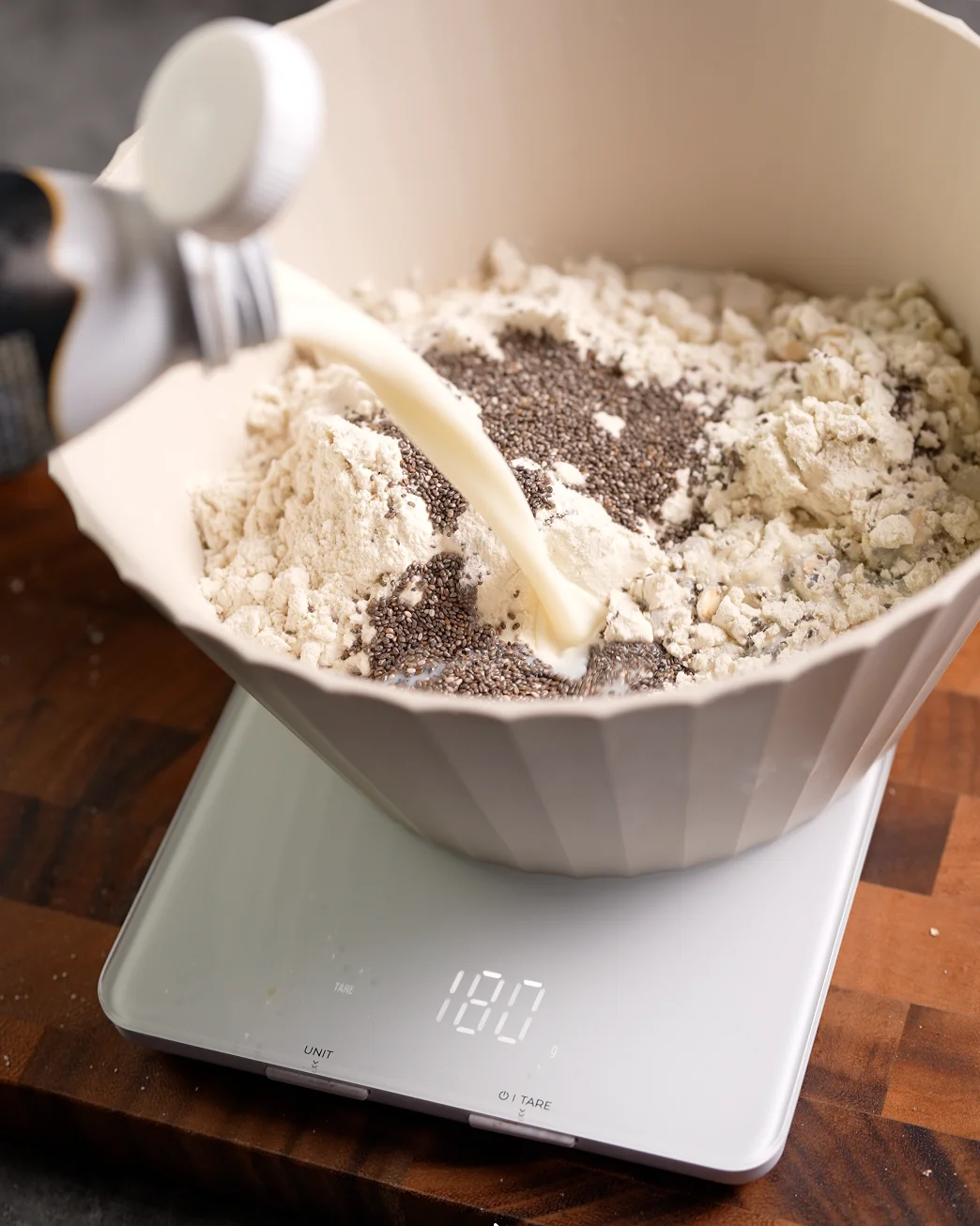
The fix: Put the pan on the food scale, zero it, then add the oil directly. Log the exact grams. This one habit alone can fix a stalled cut.
Mistake 2: Forgetting Sauces, Dressings, and Condiments
Ketchup, mayonnaise, salad dressing, tahini, hummus, peanut butter, cooking sauces — all of these are calorie-dense and all of them are routinely skipped in the tracker because they feel like "just a bit."
A tablespoon of mayonnaise is 90-100 kcal. A generous tahini drizzle over a salad can be 200+ kcal. A jar of peanut butter looks harmless — a couple of tablespoons while making a snack is 200 kcal before anything else is added.
The fix: Log everything that goes onto the plate. There is no such thing as a calorie-free topping.
Mistake 3: Weighing Food After Cooking Instead of Raw
This is one of the most technically important mistakes and one of the least understood. Nutritional values in food databases are almost always listed for raw weight. When you cook food, its water content changes — and so does its weight.
Chicken breast loses approximately 20-25% of its weight when cooked as water evaporates. So if you weigh 200g of cooked chicken and log it as "chicken breast 200g," you are actually logging the macros for about 155-160g of raw chicken, not 200g. You are underestimating your intake.
Rice and pasta go the other direction — they absorb water and get heavier. 100g of dry pasta weighs roughly 240-250g when cooked. If you weigh 200g of cooked pasta and log it as raw, you are logging almost double the calories of what you actually ate.
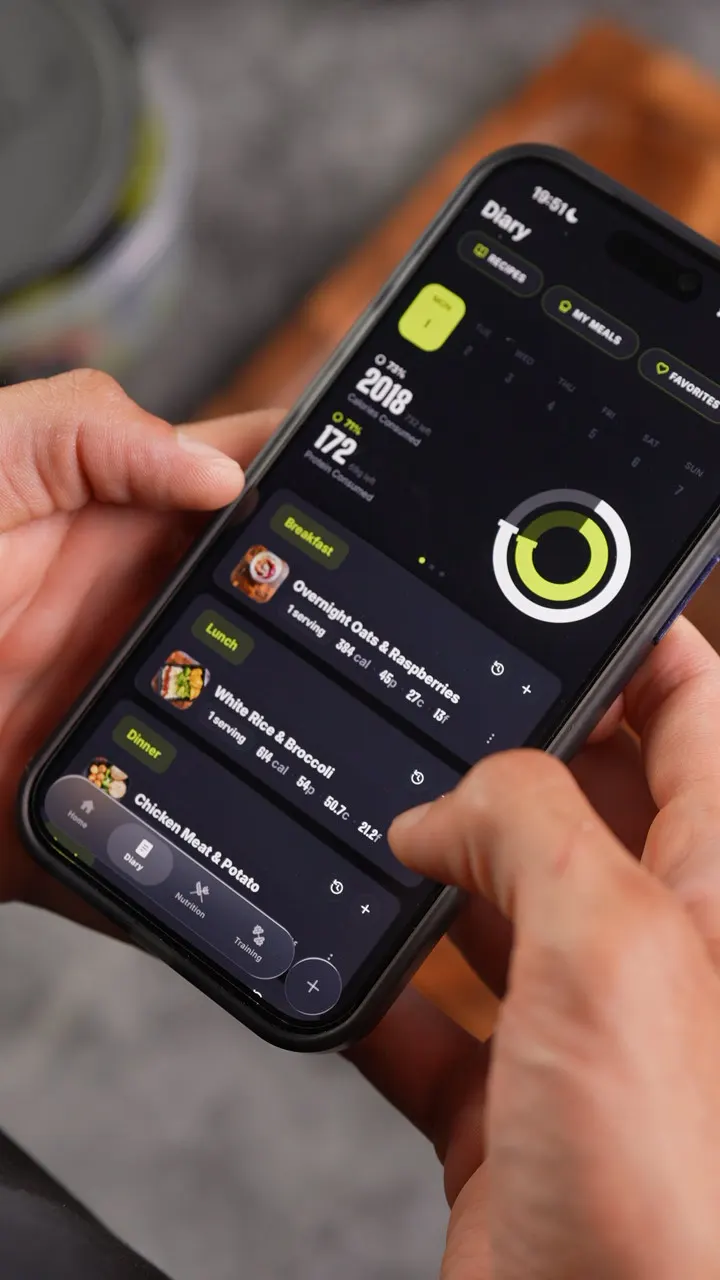
The fix: Always weigh raw where possible. If you cook in bulk for meal prep, log the total raw weight of each ingredient before cooking and divide by the number of portions. Once you know your standard portion sizes, save them as a recipe in DietSync so you only have to do this calculation once.
Mistake 4: Eyeballing Portions
This is the most common mistake and the one with the biggest cumulative impact. Without a scale, portion estimates are almost always off — usually by 30-50% on the high side. What looks like a handful of nuts is usually 1.5-2 handfuls. What looks like a single serving of cereal is usually 1.5-2 servings.
People who have never weighed food before are consistently shocked by what an actual 30g of cereal or a 15g serving of peanut butter actually looks like on a plate.
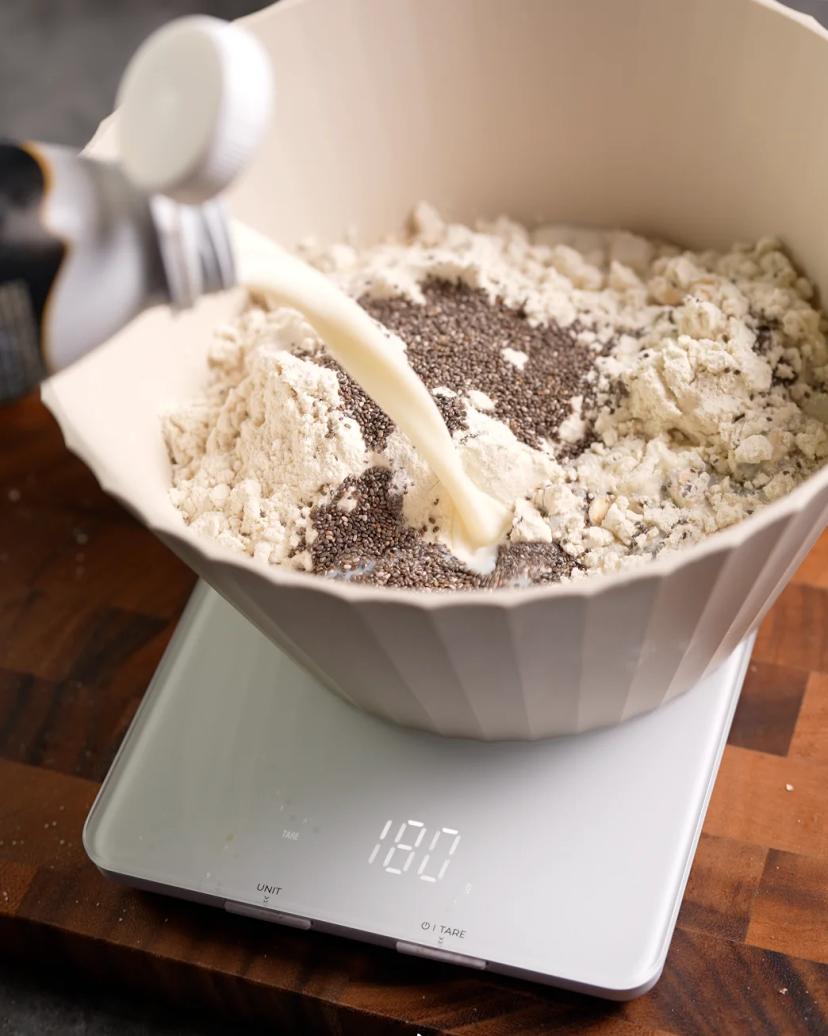
The fix: Use a food scale for everything until you have built reliable visual references. After a few months of consistent weighing, your estimates become genuinely accurate. But you cannot skip this step and expect accurate results.
Mistake 5: Not Tracking Drinks
Coffee with milk and sugar: 60-100 kcal per cup. Three cups a day: 180-300 kcal. A glass of orange juice: 100-120 kcal. A protein shake with milk instead of water: 150+ kcal above just the powder.
These are logged by almost no one because drinks feel less significant than food. They are not.
The fix: Log everything liquid except plain water and black coffee. If you drink it, it has calories — add it to the tracker.
Mistake 6: Choosing the Wrong Database Entry
Most food databases contain multiple entries for the same food — sometimes dozens. "Greek yoghurt" can show anywhere from 55 kcal to 180 kcal per 100g depending on which entry you pick — full fat, low fat, 0%, strained, unstrained. Choosing the wrong one can be the difference between a 200 kcal snack and a 400 kcal snack in your tracker.
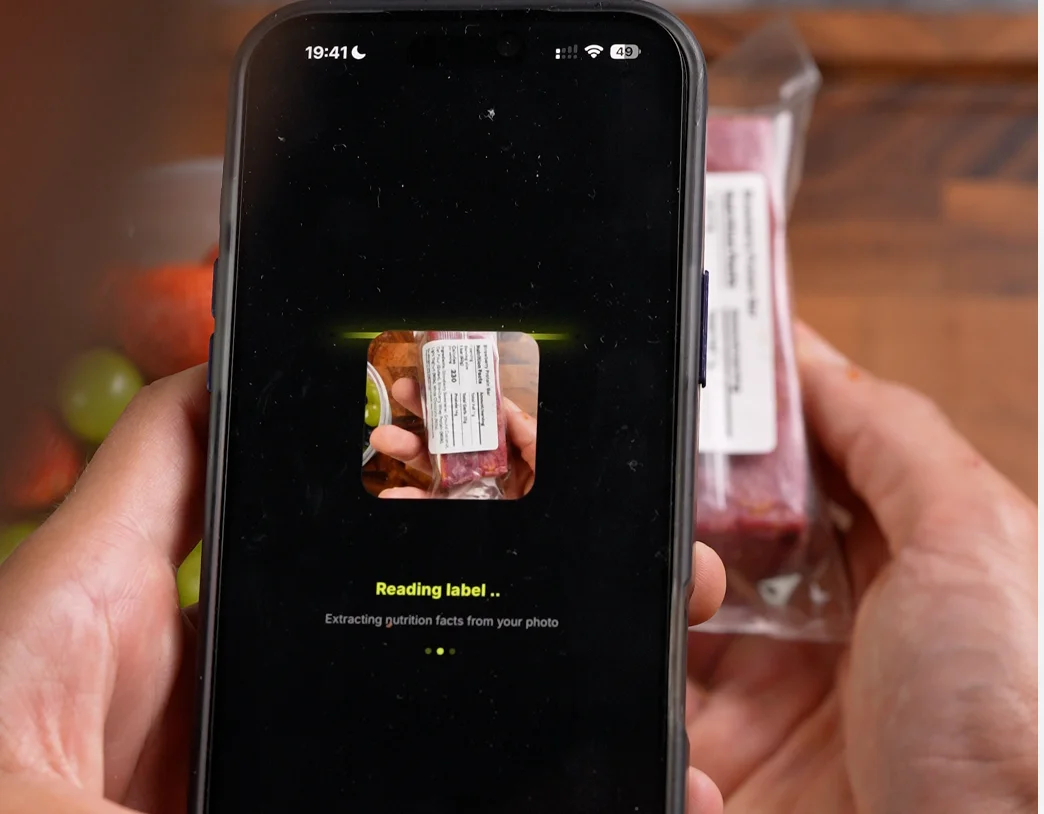
The fix: Always scan the barcode of the specific product you are using. The barcode gives you the exact nutritional values for that specific product, not a database average that may or may not reflect what is in your kitchen.
Mistake 7: Forgetting Bites While Cooking
Tasting the sauce. Finishing what is left in the pan. Eating a handful of nuts while preparing your meal. Nibbling on your partner's leftovers. These micro-additions feel insignificant in the moment and are rarely logged. Cumulatively, they can easily add 100-200 kcal to a day.
The fix: Weigh and log before cooking. If you taste while cooking, account for it — even a rough estimate is better than nothing.
Mistake 8: Thinking Fruit Does Not Count
Fruit is nutritious but it is not calorie-free. A banana is 90-100 kcal. Three bananas across a day is 270-300 kcal — the equivalent of a full meal's worth of calories that many people do not track because fruit feels "healthy" and therefore "free."
A large bunch of grapes, a bowl of cherries, or a couple of mangoes in a sitting can easily add 300-400 kcal to your day, unlogged.
The fix: Track all fruit. It belongs in your daily total just like everything else. It is a good source of fibre, vitamins, and micronutrients — but it is not exempt from your calorie budget.
Mistake 9: Not Tracking on Weekends
This is one of the most effective ways to erase an entire week of consistent tracking. If you are in a 500 kcal deficit from Monday to Friday, you have built a theoretical 2,500 kcal deficit. But if you eat freely on Saturday and Sunday — without tracking — and end up 700 kcal over maintenance each day, that adds 1,400 kcal back. Your net weekly deficit drops from 2,500 to 1,100 kcal — barely a third of what you thought you achieved.
The weekend does not have to be perfect. But it needs to be tracked.
The fix: Track every day, including weekends. If you know you have a social event or a meal out, track what you can and estimate the rest. An imperfect log of a social day is infinitely more useful than no log at all.
Mistake 10: Giving Up Because It Feels Slow at First
Tracking is genuinely time-consuming for the first two to three weeks. Looking up every ingredient, weighing every portion, building the habit — it feels like a lot. Most beginners either give up during this phase or start cutting corners that undermine the accuracy of the whole system.
The learning curve is steep but short. After three to four weeks, most people have their regular meals saved, know their go-to foods by weight, and can log a full day in under five minutes. The investment at the start pays off dramatically.
The fix: Commit to 30 days of accurate tracking before judging whether it is working. Save your common meals as recipes. Use the barcode scanner instead of searching manually. Use voice logging when you are on the go. The tools exist to make this fast — use them.
The Honest Tracking Principle
Accuracy matters more than perfection. A day where you tracked 95% of your food is still incredibly useful. A day where you skipped logging because one meal was off-plan is a lost data point.
Log everything, even the things you are not proud of. The value of tracking comes from the completeness of the picture, not from the quality of the food choices.
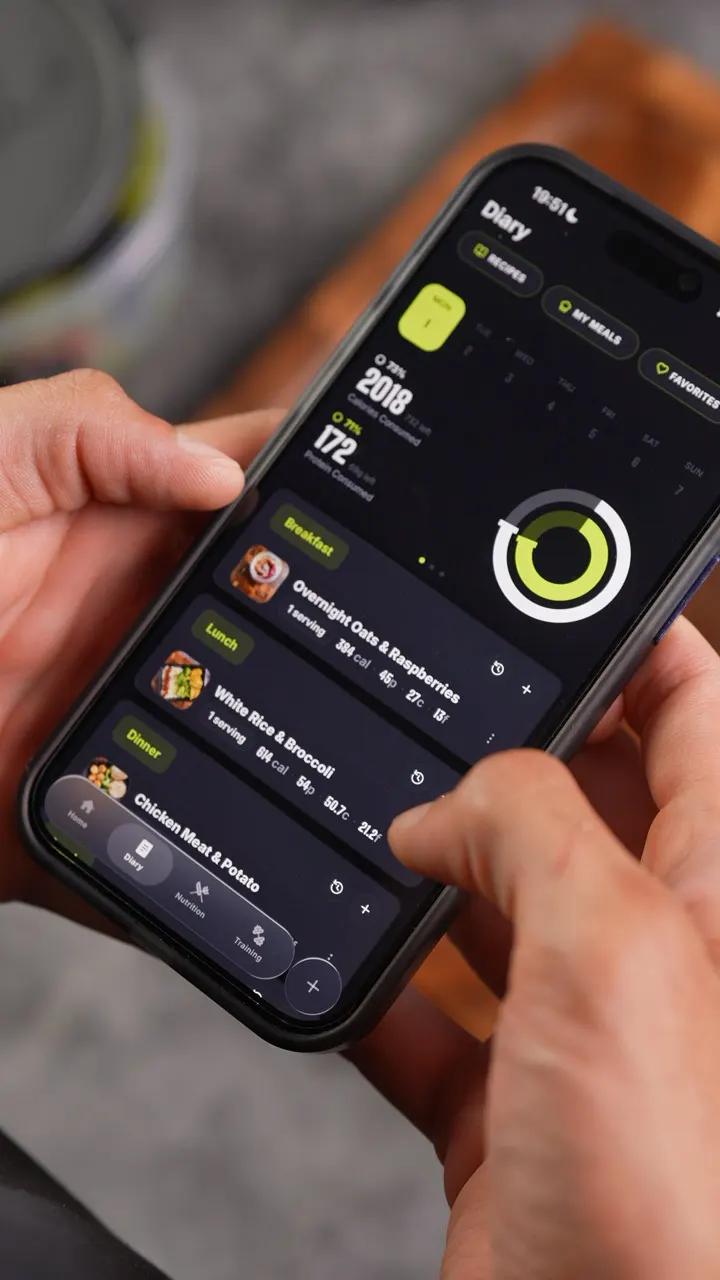
How the DietSync Fitness App Makes Tracking Take Seconds
The reason most people find tracking difficult is because they are trying to do it the hard way — searching for foods manually in a generic database that may not even have the products they use. The DietSync Fitness App is built specifically to eliminate this friction.
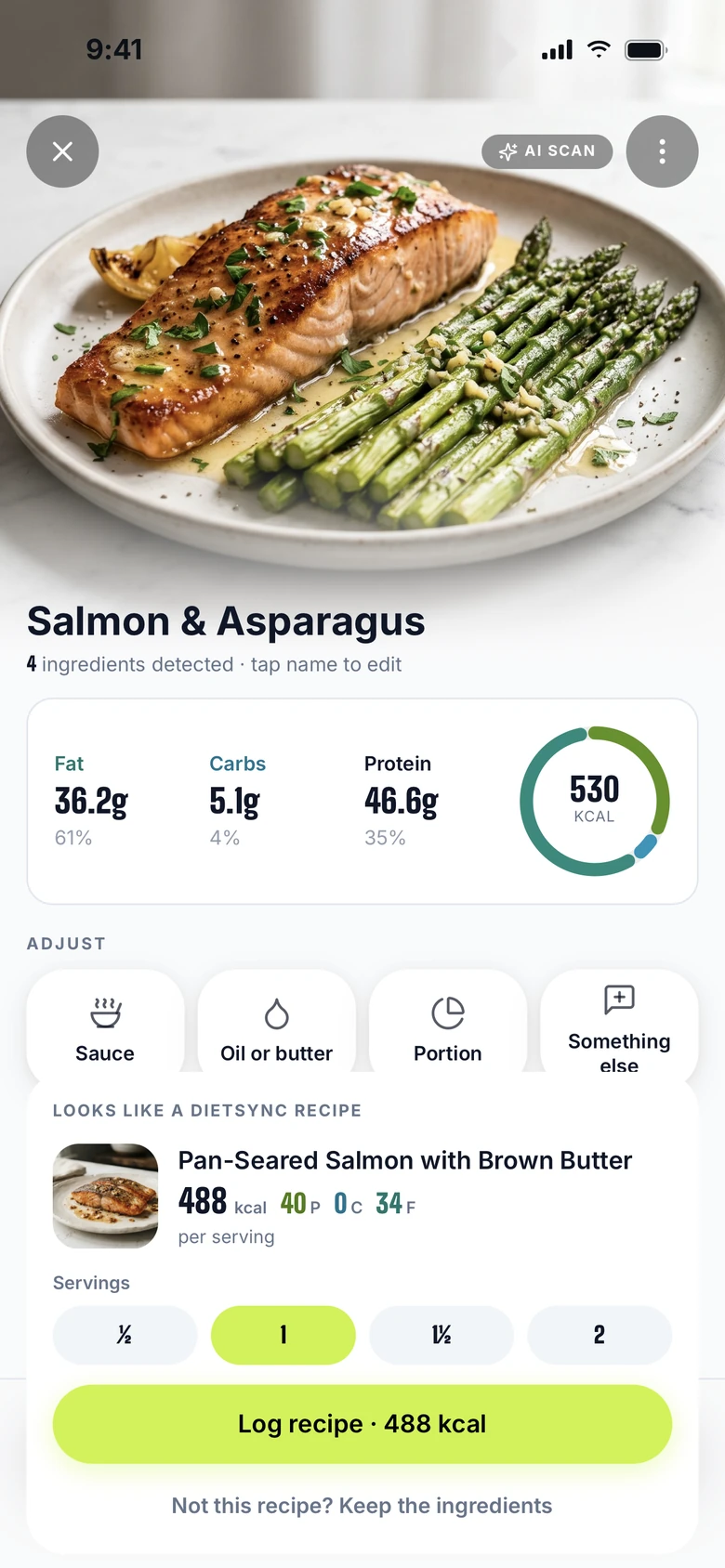
- Photo: every food and its portion, with quick fixes for oil, sauce and portion
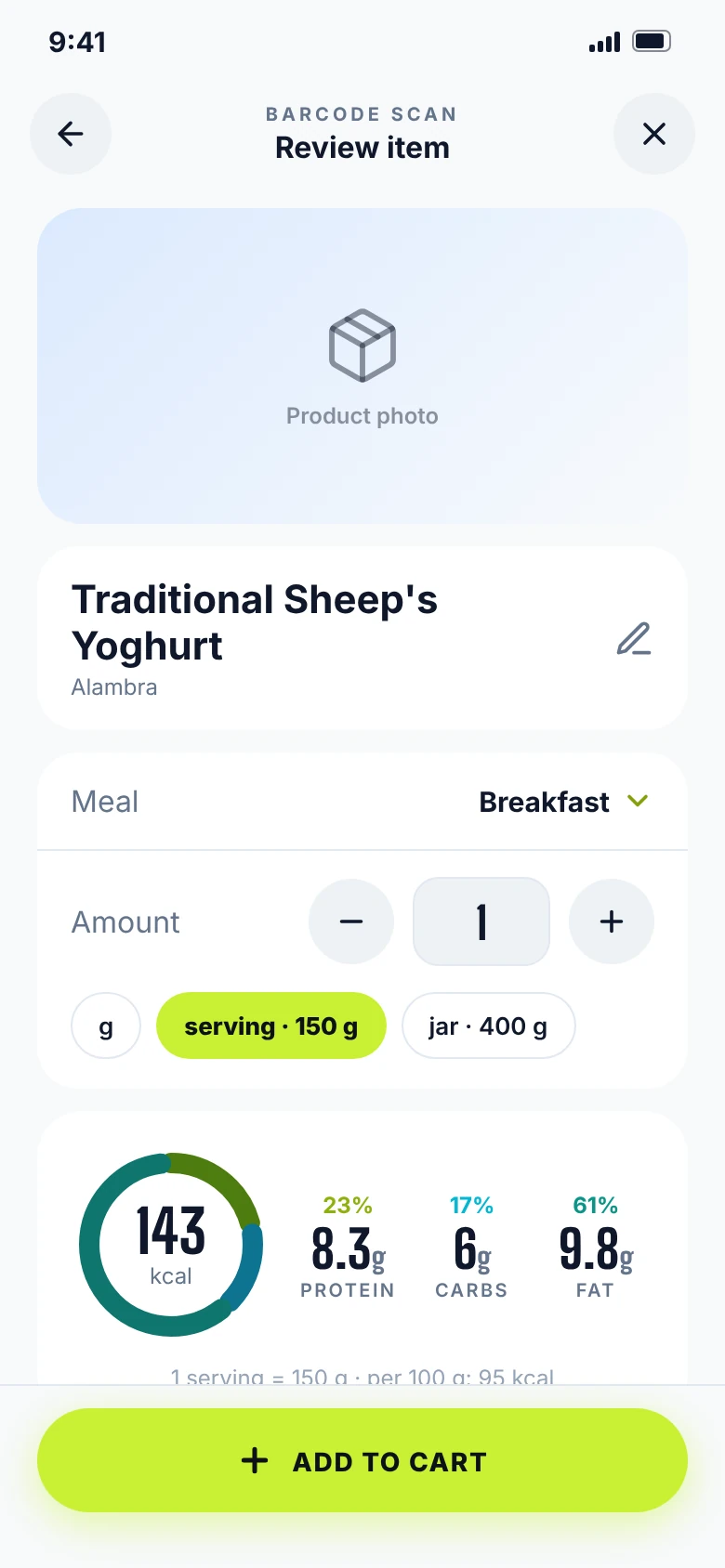
- Barcode: the product with its pack sizes
- Voice: say it in Greek or English (Premium and Ultimate)
Barcode Scanner
Scan the barcode of any packaged product and DietSync instantly pulls the exact nutritional values for that specific product. No searching, no guessing, no choosing between seventeen versions of the same food. This alone removes the single biggest source of database errors and makes logging packaged foods take under five seconds.
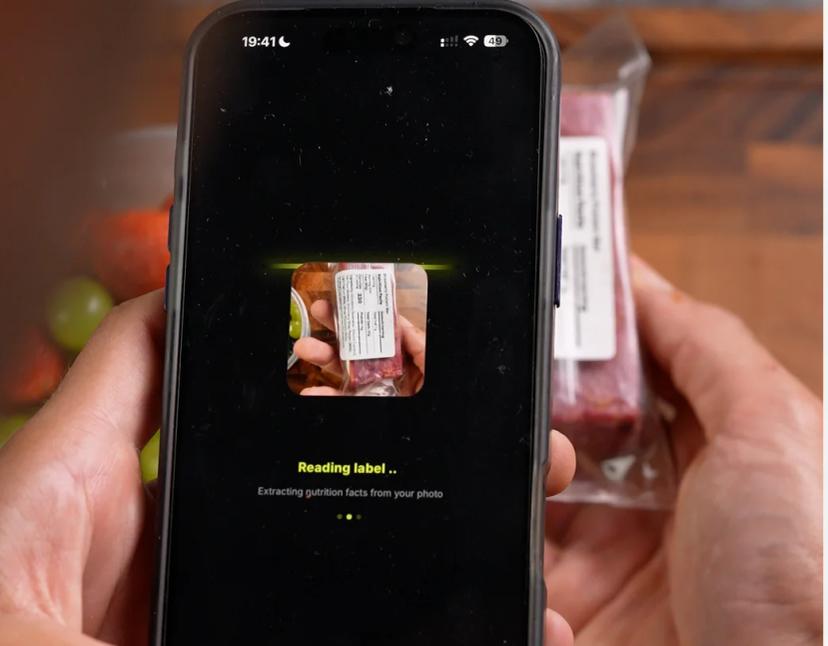
AI Meal Scanner
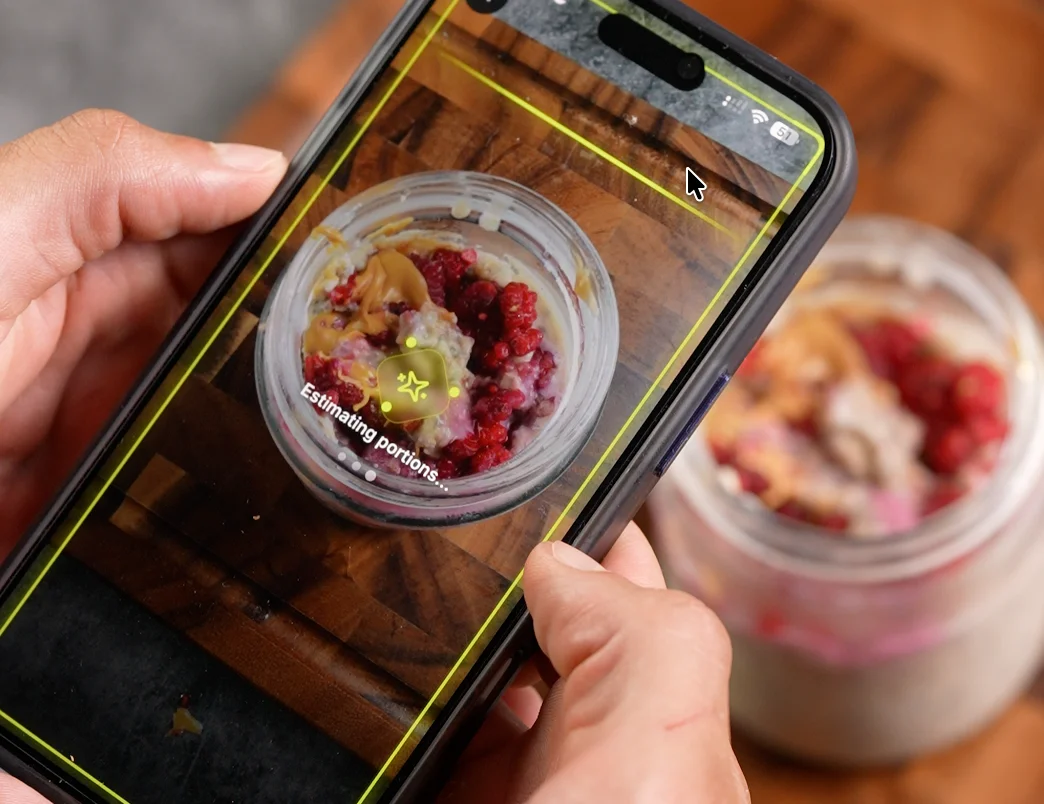
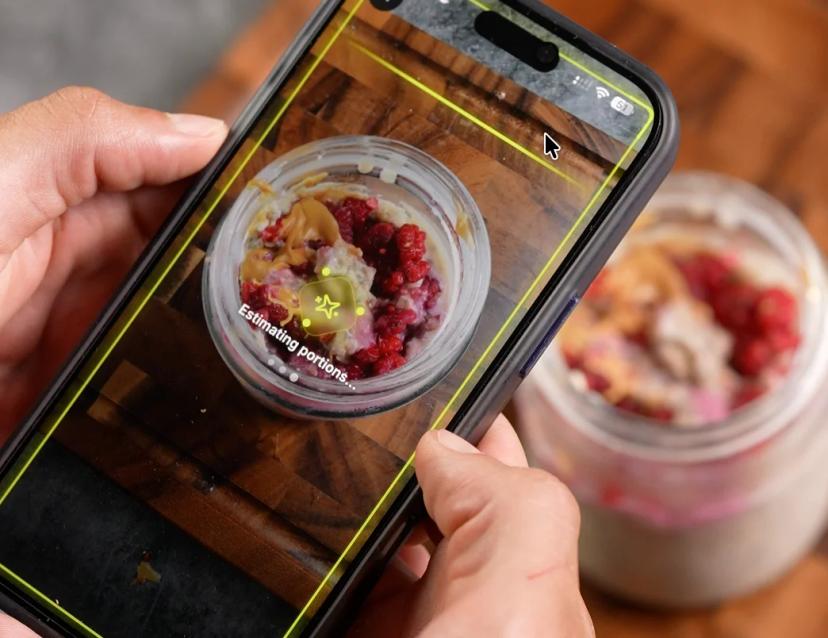
Point your camera at a plate of food and the DietSync AI identifies the foods, estimates the portions, and logs the meal automatically. This is particularly useful for restaurant meals, home-cooked food without barcodes, or any situation where you cannot weigh your food. It is not 100% precise — no photo-based tool is — but it is significantly more accurate than guessing, and it takes seconds.
Voice Log
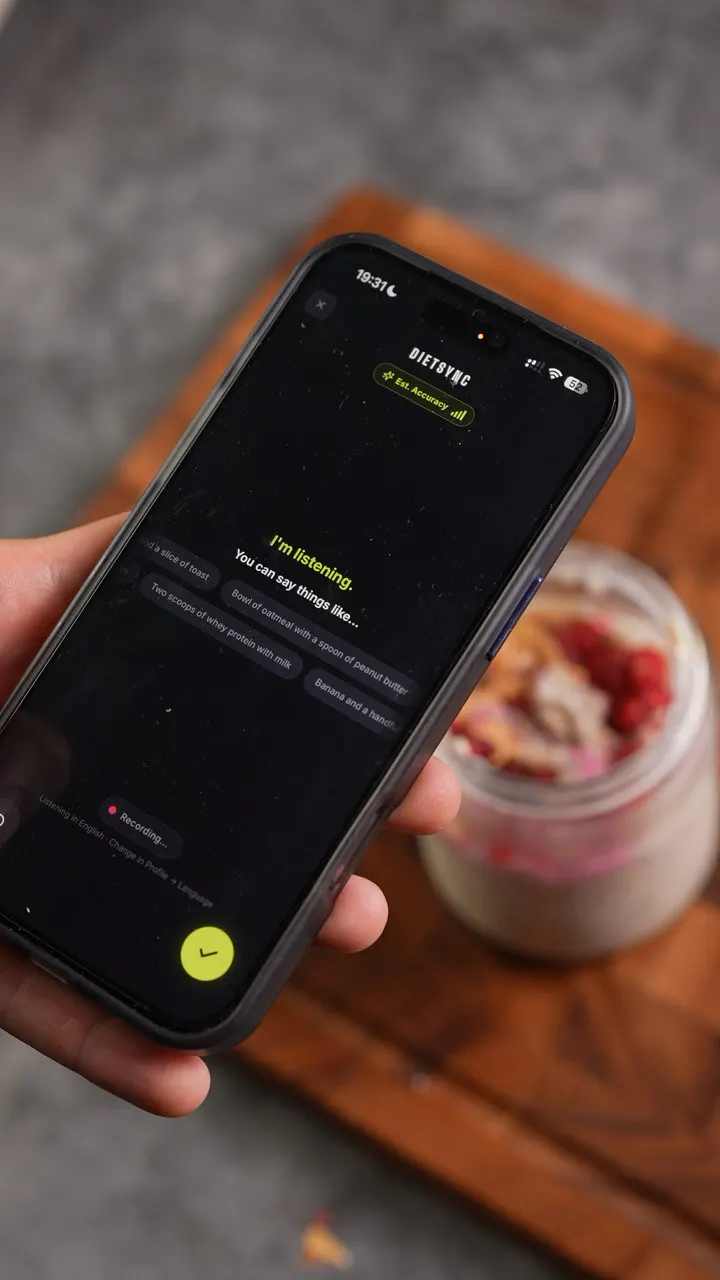
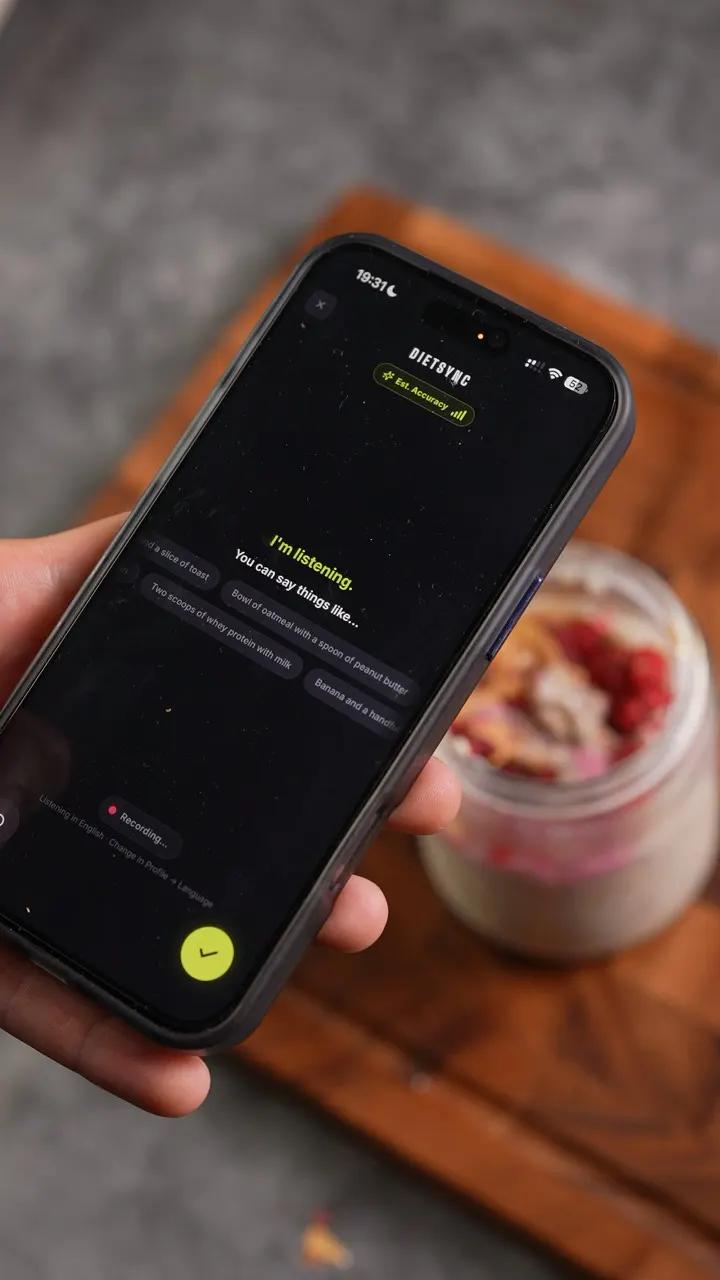
Describe what you ate out loud and DietSync logs it. "200 grams of chicken breast, 150 grams of cooked rice, a drizzle of olive oil, and a side salad with cucumber and tomatoes." The app processes the description and adds everything to your daily log. Ideal for when you are on the move, eating at someone else's home, or simply do not want to type.
Food Database
DietSync's database includes thousands of Greek and Cypriot food products, local restaurant chains, traditional Greek and Cypriot dishes, and the everyday staples you actually eat — not just the generic international products that dominate most apps. If you are eating a souvlaki, a Greek salad with a specific brand of feta, or a recipe from a Cypriot grandmother, the database has you covered in a way that MyFitnessPal never will.
Recipes
Save any meal as a recipe in DietSync — enter all the raw ingredients once, and every time you make that meal again, log it with a single tap. The app calculates the macros per serving automatically. This is especially powerful for meal prep: save your weekly chicken-and-rice container as a recipe, and logging lunch takes two seconds for the rest of the week.
How Long Do You Need to Track?
You do not need to track forever. Here is a practical framework:
During a cut: Track every day. The data is what tells you whether to adjust your calories. Without accurate tracking, you are flying blind.
After reaching your goal: Track less strictly. Use the skills you have built — portion estimation, food awareness, barcode scanning for new products — to maintain your results without obsessive daily logging.
Long-term: Most experienced people check in with tracking periodically — a week here or there — to recalibrate if their habits have drifted. The skill stays with you once it is built.
The goal is to track long enough that you do not need to track constantly. But you cannot skip the learning phase and expect that knowledge to appear on its own.
How to master food tracking in 5 simple steps:
- Purchase a digital food scale to ensure accuracy within 1-2 grams.
- Weigh all protein and carbohydrate sources in their raw state before cooking.
- Use the DietSync barcode scanner to identify exact nutritional values for packaged goods.
- Log liquid calories including cooking oils and coffee syrups which can add 300+ calories daily.
- Commit to tracking for 30 consecutive days to build a permanent visual reference for portions.
QUESTIONS
Frequently asked questions
Why am I not losing weight even though I count calories?
Usually because the log misses things: oil, sauces, drinks, weekend meals and bites while cooking. People underestimate their intake by 20–50%, which can wipe out the whole deficit.
Should I weigh food raw or cooked?
Raw, whenever you can. Chicken loses 20–25% of its weight when cooked, while rice and pasta absorb water and get heavier, so cooked weights logged as raw are badly off.
Is tracking cooking oil really that important?
Yes. One tablespoon of olive oil is about 120 kcal, and pouring freely twice a day can add 400–600 kcal that never shows up in your tracker.
Do I need a food scale to lose weight?
For the first weeks, yes. Eyeballed portions are usually off by 30–50%. After a few weeks of weighing, your eye learns what 200 g of chicken or a tablespoon of oil looks like.
Will I have to track calories for the rest of my life?
No. Track accurately for 30 days, ideally 2–3 months, and you build a reliable sense of portions. Many people go back to tracking for a week when progress stalls.