Creamy Homemade
Peanut Butter
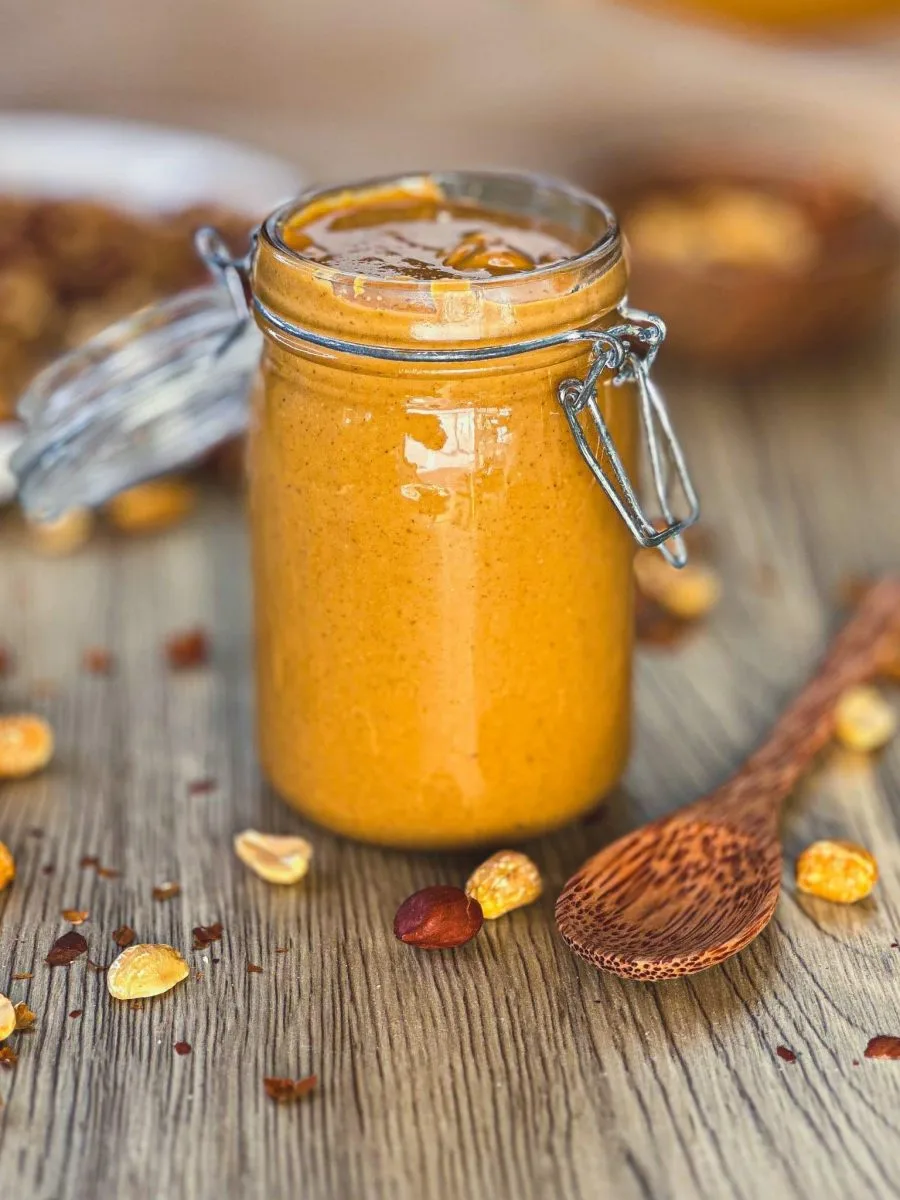
To make this creamy homemade peanut butter you only need peanuts, a food processor, and five minutes. So creamy and delicious, you won’t want to go back to any premade peanut butter.
 LowDietsync Recipes
Why Make Your Own Peanut Butter?
Peanut butter is a staple in the fitness world, but store-bought versions often hide unwanted ingredients like palm oil, excess sugar, and hydrogenated fats. Making it at home is not just rewarding; it's a game-changer for your health and your wallet. With just one ingredient and five minutes of your time, you can create a spread that is purer and tastier than anything you'll find on a supermarket shelf.
The Nutritional Breakdown
This recipe is for anyone who likes to know exactly what they are eating. Peanuts are naturally rich in healthy fats, plant-based protein and micronutrients, and making the butter yourself means nothing else goes in: no fillers and no added sugar. Each 10 g serving gives you 2 g of protein and 4.9 g of healthy fats, an energy-dense addition to a balanced diet.
The Science of Blending
You might be tempted to add vegetable oil to speed up the process—don't! The secret to the creamiest peanut butter lies in patience and heat. As the food processor runs, the natural oils inside the peanuts are released. You will watch the mixture transform from a coarse powder to a thick paste, and finally into a smooth, glossy liquid. If you use dry roasted peanuts while they are still warm from the oven, the process happens even faster.
Versatility for Every Fitness Goal
Regardless of your current fitness phase, this peanut butter fits right in:
- For the Vegan Athlete: It’s a 100% plant-based source of fuel and flavor.
- For Weight Loss (Cut): Because it’s so rich, a little goes a long way. Stick to measured portions to manage your calorie intake.
- For Muscle Gain (Bulk): It’s an easy way to add "clean calories." Try mixing in a scoop of whey or casein protein for a high-protein spread.
Storage and Serving Suggestions
Store your homemade butter in a clean glass jar. While it’s shelf-stable for a short time, keeping it in the fridge will preserve the freshness of the natural oils for up to two weeks. It’s incredibly versatile—swirl it into your morning oatmeal, spread it on whole-grain toast, or use it as a base for a healthy satay sauce!
Making homemade peanut butter is mostly about patience. Blend the peanuts while they are still slightly warm from roasting: the oils release more easily and the butter gets creamy sooner. If the mixture looks too thick, don't add water, which makes it seize. Keep blending instead, and only if you really need it, add a teaspoon of a neutral oil like grapeseed.
From a nutritional standpoint, switching to a 1-ingredient homemade version eliminates roughly 3g of added sugars and 2g of saturated fats found in commercial "no-stir" brands. For those tracking macros, a standard 15g serving provides approximately 90 clean calories, making it a reliable source of fuel for long-duration workouts or as a satiating late-night snack.
Mastering homemade peanut butter makes meal prep easier. One tip: blend the peanuts while they are still slightly warm from roasting, because the natural oils loosen up and the butter turns creamy sooner. Homemade means just peanuts and a pinch of salt, with no added sugar or palm oil, which many shop-bought jars contain (check the label on yours). For those tracking macros, one 10 g serving (1/30 of this batch) has 56 calories, 2 g of protein and 4.9 g of fat. Peanuts also bring vitamin E and magnesium, which your muscles need to work and recover.
Be sure to track your macros with the DietSync app to stay on top of your nutrition goals, or browse our collection for more high-protein recipes.
WHAT YOU NEED
Ingredients
- dry roasted peanuts300 g
- salt (to taste)1 tsp
METHOD
How to Build It
- 1
Arrange a rack in the middle of the oven and heat to 180°C. Place the peanuts on a rimmed baking sheet and bake until lightly golden brown, for about 10 minutes.
- 2
Peel the peanuts with a kitchen towel or with your hands.
- 3
Place peanuts in a food processor. Turn the food processor on and let it run for 4-5 minutes. During this time, you’ll see the peanuts go in stages from crumbs to a dry ball to a smooth and creamy “liquid” peanut butter. Depending on your food processor, you may need to stop and scrape down its sides and bottom.
- 4
Transfer the peanut butter into a jar and enjoy immediately or store it in the fridge for up to 2 weeks.
PERFORMANCE NOTES
Pro Tips
Blend while warm Blending the peanuts while they are still warm helps the natural oils release much faster.
Patience is key Don't give up! The transition from dry crumbs to liquid butter takes a few minutes of continuous blending.
Make it crunchy For a crunchy version, pulse some peanuts briefly and set them aside, then fold them into the creamy finished butter.
ADAPTS TO YOUR GOAL
Modifications
Adjust this recipe to fit your goal
Target: Adjust macros for calorie deficit goals
- Control portions to 1-2 tablespoons per day due to high caloric density.
- Avoid adding any extra oils or sweeteners to keep calories lower.
QUESTIONS
Frequently asked questions
Do I need to add oil to make it creamy?
No, you do not need to add oil. Peanuts contain enough natural oils that are released during the blending process to create a smooth, creamy texture on their own.
Is homemade peanut butter healthier than store-bought?
The primary difference is the roasting step. Home-made versions lack the palm oil, hydrogenated fats, and sugar typically found in commercial brands, making it 100% natural.
How do I fix grainy homemade peanut butter?
If your peanut butter is grainy, simply keep blending. It often takes 4-5 minutes of continuous processing to reach the liquid gold stage. Power through the "clumpy" phase!
NUTRITION PER SERVING
Macro Breakdown
2g
Protein
14%
1.6g
Carbs
11%
4.9g
Fat
75%
PARTNER OFFER
Fuel Your Gains With
FuelSync
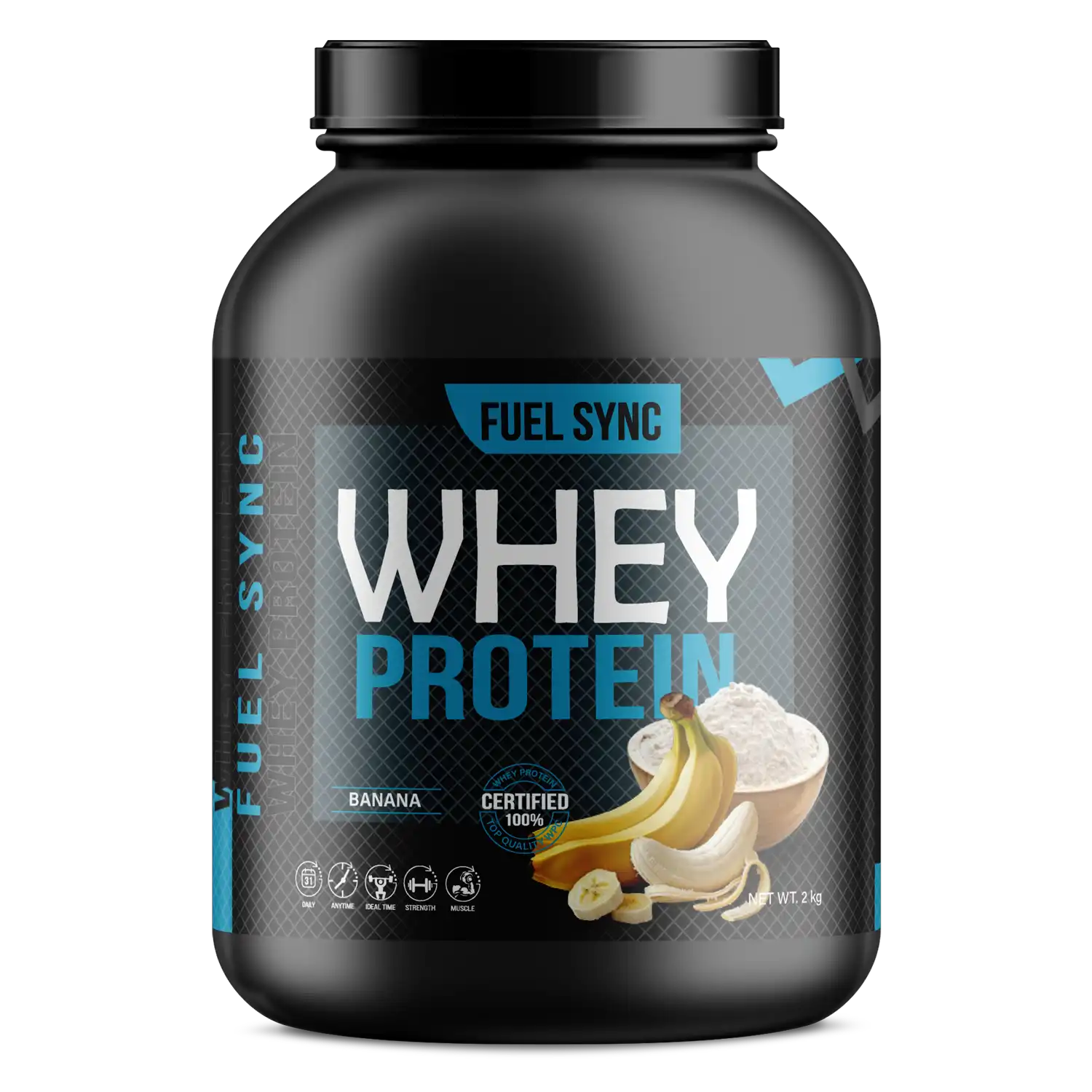
Premium proteins to match your macros. DietSync readers get an exclusive discount.
Use code
DIETSYNC15
for 15% off your order
FITNESS STATS
Fits Your Goals If…
PROTEIN METRIC
Protein Efficiency
3.6g
protein per 100 kcal
LowLow protein density. Pair with a high-protein side.
Track this in
DietSync App
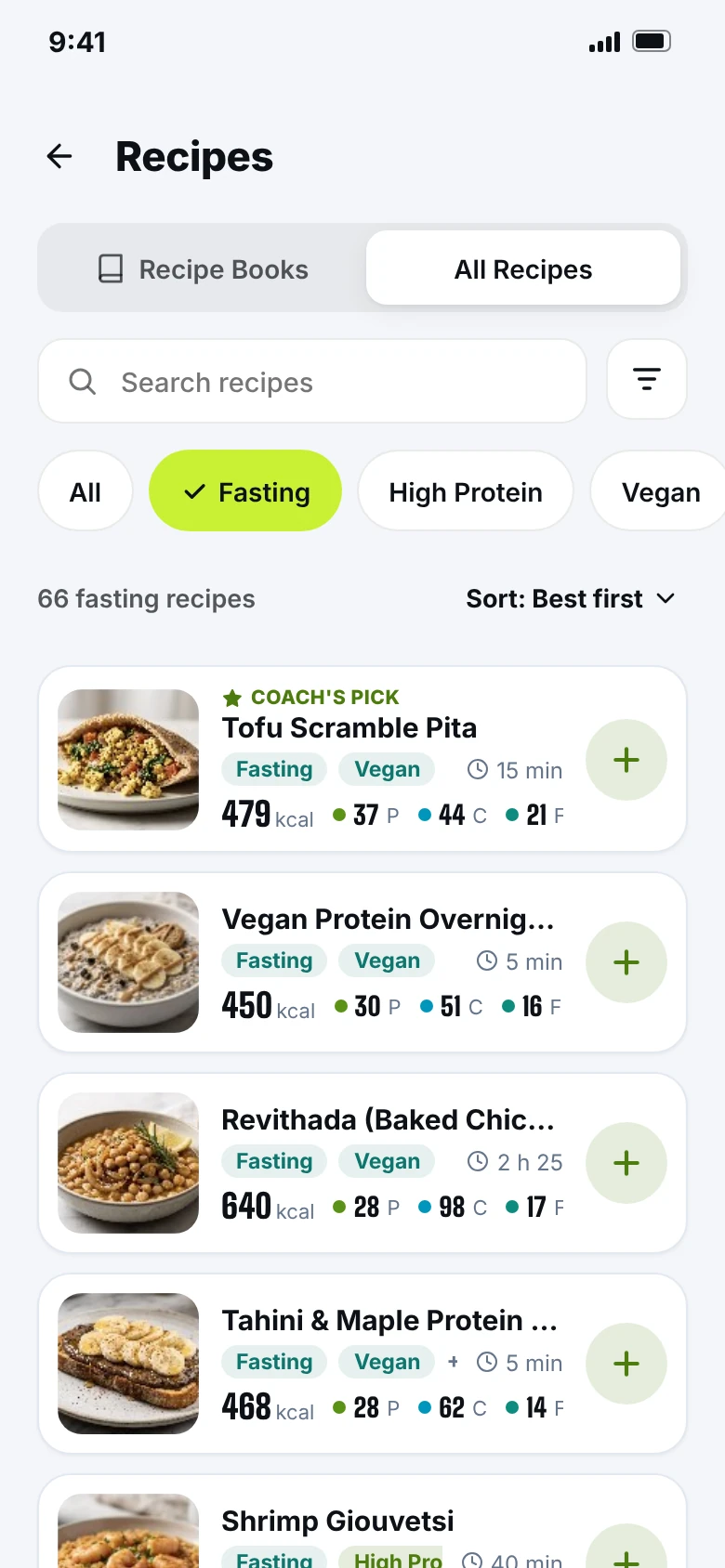
This recipe is already in the DietSync App library. Log it in 2 taps and see exactly how it fits your macros for the day.
 Download the App

iOS & Android app
STAY IN SYNC.
Latest recipes, challenge news, and exclusive offers — straight to your inbox.